Cardamom Cinnamon Honey Tea
The Caffeine-Free Warming Recipe
Green cardamom and a Ceylon cinnamon stick simmered in water, strained, then sweetened with honey off the heat. No tea leaves, no dairy — just a warming, caffeine-free spiced tea, ready in 15 minutes.


Cardamom cinnamon honey tea is made by simmering crushed green cardamom and a cracked cinnamon stick in water for 8–10 minutes, straining it into cups, then stirring in honey once the tea has cooled slightly. Total time: 15 minutes. Key rule: add the honey off the heat, never while boiling — that’s what preserves honey’s delicate flavor instead of dulling it.
How to Make Cardamom Cinnamon Honey Tea
This caffeine-free tea takes about 15 minutes: simmer cardamom and cinnamon in water, strain, let it cool slightly, then stir in honey.
- Crush and crack: crush the cardamom pods, crack the cinnamon stick.
- Simmer: boil in water, then simmer 8–10 minutes.
- Strain: pour through a strainer into your cups.
- Cool slightly: let it sit 2–3 minutes off the heat.
- Sweeten: stir in honey to taste, then serve warm.
Common Cardamom Cinnamon Honey Tea Mistakes to Avoid
Most flat, cloudy, or oddly bitter cups come down to one of these five habits.
| Mistake | Why It Happens | The Fix |
|---|---|---|
| Boiling the honey | High heat dulls honey’s delicate aroma and can turn it slightly bitter | ✓ Let the tea cool 2–3 minutes off heat before adding honey |
| Using ground cinnamon instead of a stick | Ground cinnamon can’t be fully strained out, leaving the tea gritty and cloudy | ✓ Use a whole cinnamon stick, cracked before simmering |
| Under-simmering | A cinnamon stick is denser than cardamom pods and needs longer to release flavor | ✓ Simmer a full 8–10 minutes, not the 3–4 minutes plain cardamom tea needs |
| Using cassia cinnamon for daily drinking | Cassia contains more coumarin than Ceylon cinnamon, a compound best limited in regular large doses | ✓ Choose Ceylon (“true”) cinnamon sticks for tea you drink often |
| Adding honey while the tea is still very hot | Honey’s flavor compounds are heat-sensitive | ✓ Wait until the tea is warm, not boiling, before stirring in honey |
Why the Honey Goes In Last
This recipe pairs cardamom’s cool, floral aroma with cinnamon’s warm, sweet spice — no tea leaves, no dairy, just two spices and honey. The technique that makes or breaks this tea is timing: cardamom and cinnamon need real heat and time to release their oils, while honey needs the opposite — its delicate aromatic compounds break down under high heat, which is why it goes in only after the tea has cooled slightly.

Ceylon Cinnamon, Not Cassia
Ceylon’s lighter, more delicate flavor and lower coumarin content make it the better everyday choice for tea.

Green Cardamom Base
The same floral, cooling cardamom used across the whole tea silo, here paired with cinnamon instead of black tea.

Crack, Don’t Powder
Cracking the cinnamon stick — not grinding it — keeps the tea clear and easy to strain.

Simmer, Then Cool, Then Sweeten
Three distinct stages — heat for the spices, a cooling pause, then honey — each doing a different job.
Is Cardamom Cinnamon Honey Tea Caffeine-Free?
Yes — this tea is entirely caffeine-free. Unlike elaichi black tea or masala chai, this recipe uses no tea leaves at all. Cardamom, cinnamon, and honey are all naturally free of caffeine, which makes this the silo’s most suitable variation for evenings, or for anyone avoiding caffeine altogether.
Because it’s caffeine-free, this tea also skips the milk most of the other variations use — it’s simmered and strained in water alone, then sweetened, which keeps it light rather than creamy. If you’d prefer a caffeinated version with a similar spice profile, the Masala Chai variation covers that ground.
Cardamom Cinnamon Honey Tea Glossary
A few terms that come up constantly around this recipe, and what they actually mean.
How Difficult Is This Recipe?
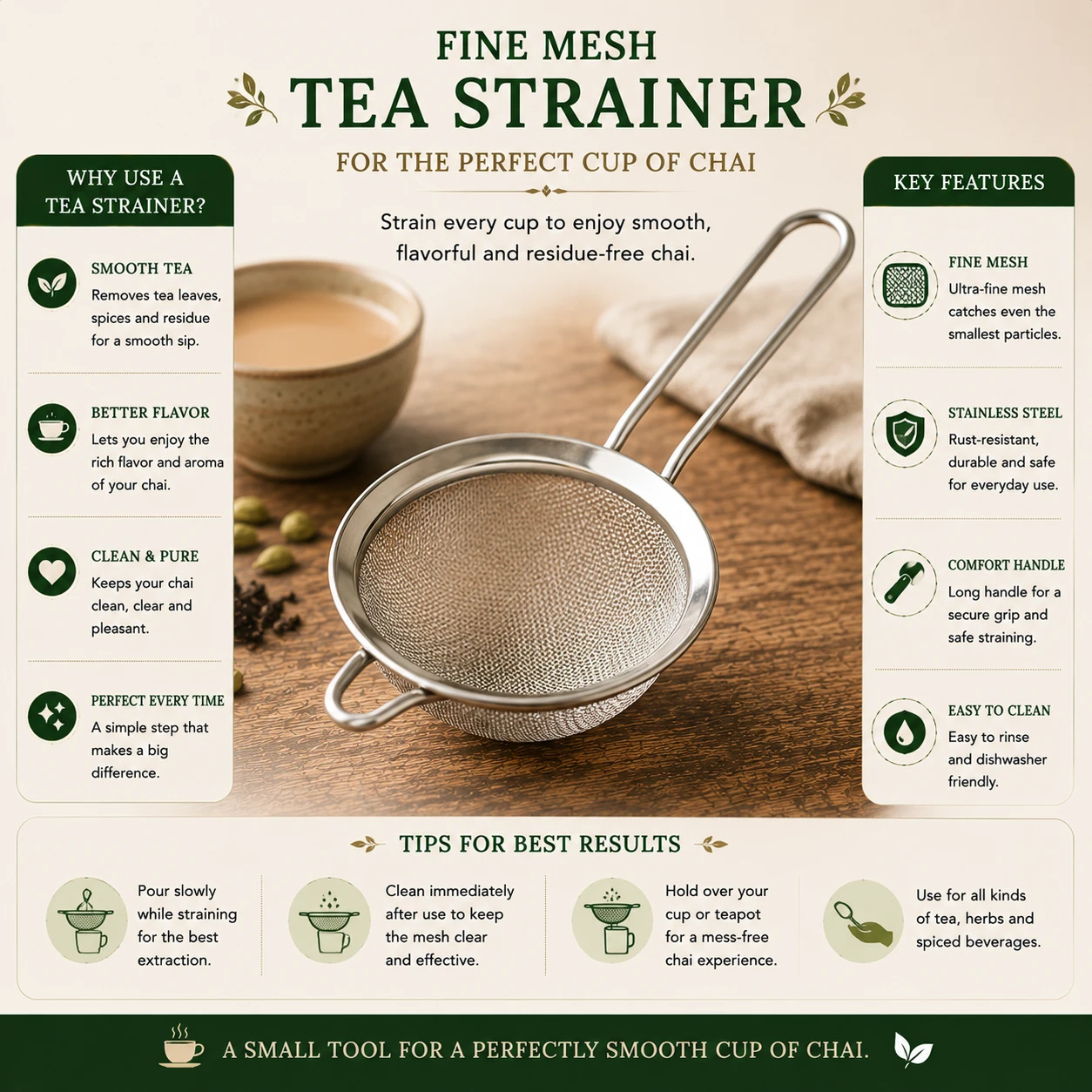
One saucepan, one strainer, no special equipment. The only real skill is timing the honey correctly.
← This Recipe
Ingredients

Fresh Water
2 cups (480ml). Filtered water gives a cleaner cup, though tap water works fine.

Green Cardamom
4–5 pods, crushed. The cool, floral half of this pairing.

Ceylon Cinnamon Stick
2–3 inches, cracked. Ceylon (“true cinnamon”) is preferred for regular drinking.

Raw Honey
2–3 tsp, to taste. Always added off the heat, once the tea has cooled slightly.

Fresh Ginger (Optional)
1–2 thin slices. Adds extra warmth without changing the core recipe.
Equipment You’ll Need




Green cardamom and Ceylon cinnamon simmered in water, sweetened with honey off the heat — caffeine-free and warming.
✓ Tap an ingredient as you prep it — it’ll stay checked when you come back.
- 2 cups / 480ml fresh water
- 4–5 pods green cardamom, crushed
- 2–3 inches Ceylon cinnamon stick, cracked
- 2–3 tsp raw honey, to taste (added off heat)
- 1–2 slices fresh ginger (optional)

Crush the cardamom and crack the cinnamon
Lightly crush the green cardamom pods with the flat of a knife or a mortar and pestle. Crack the cinnamon stick into 2–3 pieces the same way. Cracked, not powdered, is what keeps the tea clear and easy to strain.

Simmer in water
Add the cardamom, cinnamon, and ginger (if using) to the water in a small saucepan. Bring to a boil, then reduce heat and simmer for a full 8–10 minutes. Cinnamon sticks are denser than cardamom pods and need this longer simmer to release their flavor fully.

Strain into cups
Remove the pan from heat and strain the tea through a fine mesh strainer directly into your cups, discarding the spent cardamom and cinnamon. Straining right away stops the spices from over-extracting and turning bitter.

Let it cool slightly
Let the tea sit for 2–3 minutes off the heat. This is the step most people skip — but honey’s delicate flavor compounds are heat-sensitive, and stirring it into liquid that’s still boiling-hot dulls the flavor you just built.

Stir in the honey
Stir in 2–3 teaspoons of raw honey, tasting as you go. Because the tea has cooled slightly, the honey dissolves cleanly and keeps its full aroma rather than flattening out.

Serve warm
Serve while still warm. Since this tea is caffeine-free, it’s suited to any time of day — including right before bed, unlike the black-tea-based variations in this collection.
Values calculated per cup, 2 cups per batch, using raw honey. Figures are estimates and will vary with exact ingredients used.

What Readers Are Saying
“Adding the honey only after it cooled down a bit made a real difference in flavor — it doesn’t taste flat the way my old version did.”
“Didn’t realize cassia and Ceylon cinnamon were different things until this page. Switched to a Ceylon stick and the flavor is so much cleaner.”
“Simple and caffeine-free, perfect for evenings. I added a slice of ginger like the recipe suggested and it was great.”
8 Pro Tips for Perfect Cardamom Cinnamon Honey Tea

1. Choose Ceylon Cinnamon for Regular Drinking
Ceylon (“true cinnamon”) has a lighter flavor and lower coumarin content than cassia, the common grocery-store variety. Worth seeking out if you make this tea often.

2. Crack, Don’t Grind, the Cinnamon
A whole stick cracked into 2–3 pieces strains out cleanly. Ground cinnamon leaves the tea gritty and cloudy no matter how fine your strainer is.

3. Never Boil the Honey
Honey’s delicate flavor compounds break down under high heat. Always stir it in once the tea has cooled for a few minutes, never into a still-boiling pan.

4. Give It the Full 8–10 Minutes
Cinnamon sticks are denser than cardamom pods and need longer than a quick cardamom-only simmer to release their full flavor.

5. Let It Cool for 2–3 Minutes First
This is the single step most people skip. A short cooling pause before the honey goes in makes a noticeable difference in aroma.

6. Taste Before You Add More Honey
Honey varieties vary a lot in sweetness. Start with 2 teaspoons, taste, then add more rather than committing to 3 upfront.

7. Double the Spice Batch, Add Honey Fresh Each Time
The unsweetened cardamom-cinnamon base scales and stores well — keep it plain and stir in fresh honey per cup as you serve it.

8. Reheat the Tea, Then Add Honey — Not Before
If reheating leftovers, warm the plain tea first and stir in fresh honey after, rather than reheating a cup that already has honey in it.

Elaichi Black Tea
Just cardamom and black tea — no spice blend, the classic base recipe.
View recipe →
Karak Chai
Strong, evaporated-milk chai with cardamom and a thread of saffron.
View recipe →
Cardamom Tea Hub
All variations, benefits, and the caffeine guide in one place.
See the hub →More Cardamom Tea Recipes
This caffeine-free tea is one of six variations in the collection. Here’s every other recipe, plus the full guide.
Elaichi Black Tea
Just cardamom and black tea — no spice blend, the classic base recipe.
View recipe →Karak Chai
Strong, evaporated-milk chai with cardamom and a thread of saffron.
View recipe →
Honey Lemon Tea
A soothing herbal cardamom brew with honey and fresh lemon.
View recipe →
Masala Chai
Cardamom joined by ginger, cinnamon, cloves, and black pepper.
View recipe →
Cardamom Green Tea
A lighter, milk-free pairing of cardamom with green tea.
View recipe →
Iced Cardamom Tea
The same cardamom brew, chilled and served over ice.
View recipe →Cardamom Tea Hub
All variations, benefits, and the caffeine guide in one place.
See the hub →Ingredient Substitutions
| Ingredient | Best Substitute | Impact |
|---|---|---|
| Ceylon cinnamon stick | Cassia cinnamon stick | Stronger, more common flavor; higher coumarin, less ideal for daily drinking |
| Whole cinnamon stick | ¼ tsp ground cinnamon | Cloudier tea; strain through a very fine mesh or cheesecloth |
| Raw honey | Maple syrup or jaggery | Different but pleasant flavor; both are also best added off the heat |
| Green cardamom | ¼ tsp freshly ground cardamom (2-cup batch) | Slightly less clean; whole pods still give a better cup |
| Fresh ginger | Ground ginger, a small pinch | Milder, more diffuse warmth than a fresh slice |
How to Store Cardamom Cinnamon Honey Tea

🌡️ Thermos — Same Day
Pour warm into a preheated thermos to keep it warm for several hours. Since there’s no dairy, it holds up better than milk-based variations.

❄️ Refrigerator — 3 Days
Store the plain, unsweetened tea in a sealed jar for up to 3 days. Stir in fresh honey per cup as you reheat it, rather than storing it pre-sweetened.

🧊 Freezer — 1 Month
Freeze the unsweetened tea base in ice cube trays, then thaw and add fresh honey whenever you’re ready to drink it.
Cardamom Cinnamon Honey Tea — Frequently Asked Questions
Yes — this recipe uses no tea leaves at all, just cardamom, cinnamon, and honey simmered in water, so it’s entirely caffeine-free and suitable any time of day.
Honey has delicate, heat-sensitive flavor compounds that boiling can dull or destroy. Letting the tea cool for a few minutes before stirring in honey preserves more of its natural flavor.
Ceylon cinnamon (“true cinnamon”) has a lighter, more delicate flavor and much lower coumarin content. Cassia is the common, stronger-flavored cinnamon sold in most grocery stores. Either works here, but Ceylon is preferred for tea you drink regularly.
A stick is strongly preferred — ground cinnamon turns the tea cloudy and gritty since it can’t be fully strained out. If it’s all you have, use about ¼ teaspoon and strain through a very fine mesh or cheesecloth.
8–10 minutes. Cinnamon sticks are denser than cardamom pods and take longer to release their flavor than a quick 3–4 minute cardamom-only simmer.
Elaichi black tea uses Assam black tea leaves and has caffeine. This cinnamon honey tea uses no tea leaves at all — it’s a caffeine-free herbal infusion sweetened with honey instead of sugar.
Yes — 1–2 thin slices of fresh ginger simmered along with the cardamom and cinnamon adds extra warmth and is a common variation.
Refrigerate the unsweetened strained tea for up to 3 days and stir in fresh honey each time you reheat a cup, since pre-mixed honey can lose its aroma when reheated repeatedly.
No — masala chai uses black tea and a five-spice blend with milk. This is simpler and caffeine-free: just cardamom, cinnamon, and honey in water, with no tea leaves or dairy.
No — black cardamom is smoky and savory, meant for curries and rice dishes, not tea. Only green cardamom belongs in this recipe.
Yes, warm tea is fine — the concern is specifically boiling-hot liquid, which is why this recipe has you cool the tea for a few minutes first rather than skipping honey in hot drinks entirely.
Yes — scale the water, cardamom, and cinnamon up cleanly, but stir honey into individual cups rather than the whole batch, since reheating pre-sweetened tea dulls the honey’s flavor.
Check your simmer time first — 8–10 minutes is needed for the cinnamon stick specifically, longer than a cardamom-only tea. Old, dried-out cinnamon sticks or cardamom pods also lose potency over time.
Warm honey tea is a common comfort drink for a scratchy throat, though this is a culinary observation rather than a medical claim — see a doctor for persistent symptoms.
Yes — maple syrup or jaggery both work well and, like honey, are best stirred in once the tea has cooled slightly rather than added while boiling.
Was this guide helpful?
Your feedback helps us improve CardamomNectar for everyone.
💬 Leave a Comment
Made this recipe? Tell us how it turned out.
No comments yet — be the first to share how it turned out! 🍵