What Does Fenugreek Taste Like?
The short answer: bitter burnt sugar with a maple-caramel finish — but only when you cook it right. This complete guide covers the flavor science, how taste changes with every preparation method, and how to use that knowledge in the kitchen.


Updated 25 Aug 2026
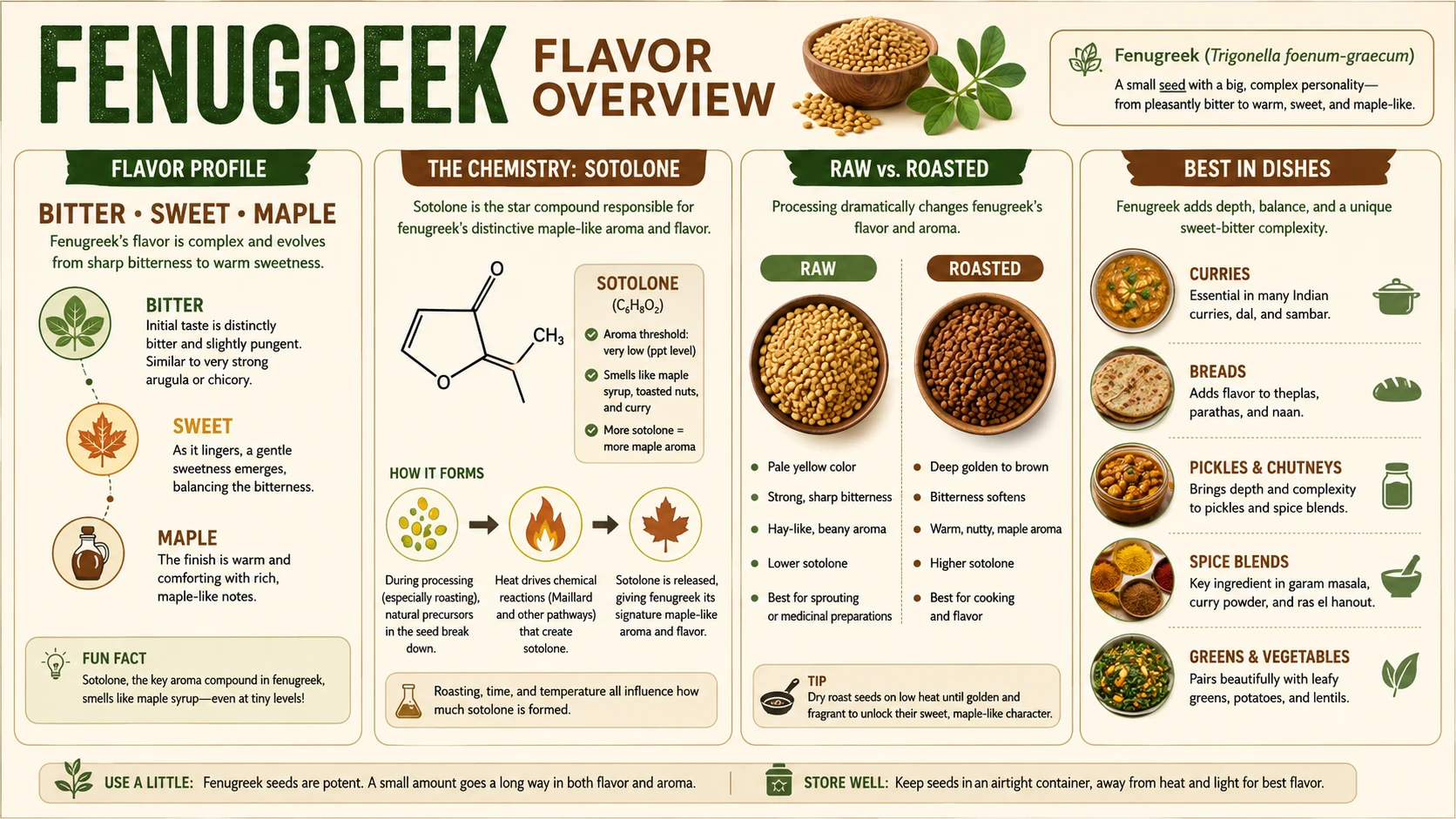
Fenugreek tastes like bitter burnt sugar with a maple-caramel sweetness — but only when cooked. Raw seeds are intensely bitter and slightly pungent. Dry-toast or bloom them in oil and a warm, nutty, maple-like depth emerges from sotolone — the same aromatic compound found in real maple syrup. Dried leaves (kasuri methi) are far milder: aromatic, gently bitter, and herbaceous.
The Complete Fenugreek Flavor Profile
Fenugreek (Trigonella foenum-graecum, called methi in Urdu and Hindi, methi dana when referring to seeds) is simultaneously bitter, sweet, nutty, and aromatic — and which quality dominates depends almost entirely on how you prepare it. For growing, sourcing, and general background on the plant itself, see our complete fenugreek guide. This page focuses specifically on the one question that trips people up: what it actually tastes like, and why that taste changes so dramatically between raw and cooked.
The five core flavour dimensions of fenugreek are:
- Bitterness — the dominant raw flavour, from trigonelline alkaloids and steroidal saponins
- Maple-caramel sweetness — released only through heat, from the aromatic compound sotolone
- Nuttiness — toasty and warm, from Maillard reactions during dry-roasting
- Earthy depth — a clean, grounded base note that anchors the spice in any dish
- Mild pungency — faint celery-like sharpness in seeds; almost absent in kasuri methi
The Maple Mystery: What Is Sotolone?
Both fenugreek seeds and real maple syrup contain sotolone (4,5-dimethyl-3-hydroxy-2(5H)-furanone) — one of the most potent aroma compounds in food science, detectable by the human nose at concentrations as low as 0.01 parts per billion. When you dry-roast fenugreek seeds, heat breaks down precursor amino acids in the seed, releasing sotolone and concentrating it by up to 300% compared to the raw seed. This is why the aroma that hits you when you bloom fenugreek in ghee is so unmistakably sweet and maple-like — even though the seed contains zero sugar in any meaningful quantity. We go deeper into this specific chemistry — including why fenugreek is used to flavour imitation maple syrup — in our dedicated fenugreek and maple syrup guide.
Sotolone also explains why consuming large amounts of fenugreek can cause perspiration to smell faintly of maple syrup — the compound is absorbed intact and re-released through sweat glands. This effect is harmless and temporary. Notably, sotolone is the same compound responsible for the characteristic smell of lovage, certain aged wines, and molasses — all of which share a faint caramel-savory character with fenugreek.
This chemistry has one critical practical implication: you cannot unlock fenugreek’s best flavour without heat. Adding raw seeds to a cold dish, a smoothie, or a salad gives you predominantly bitter, musty flavour with none of the maple complexity. The aromatic potential is locked until heat breaks it open.
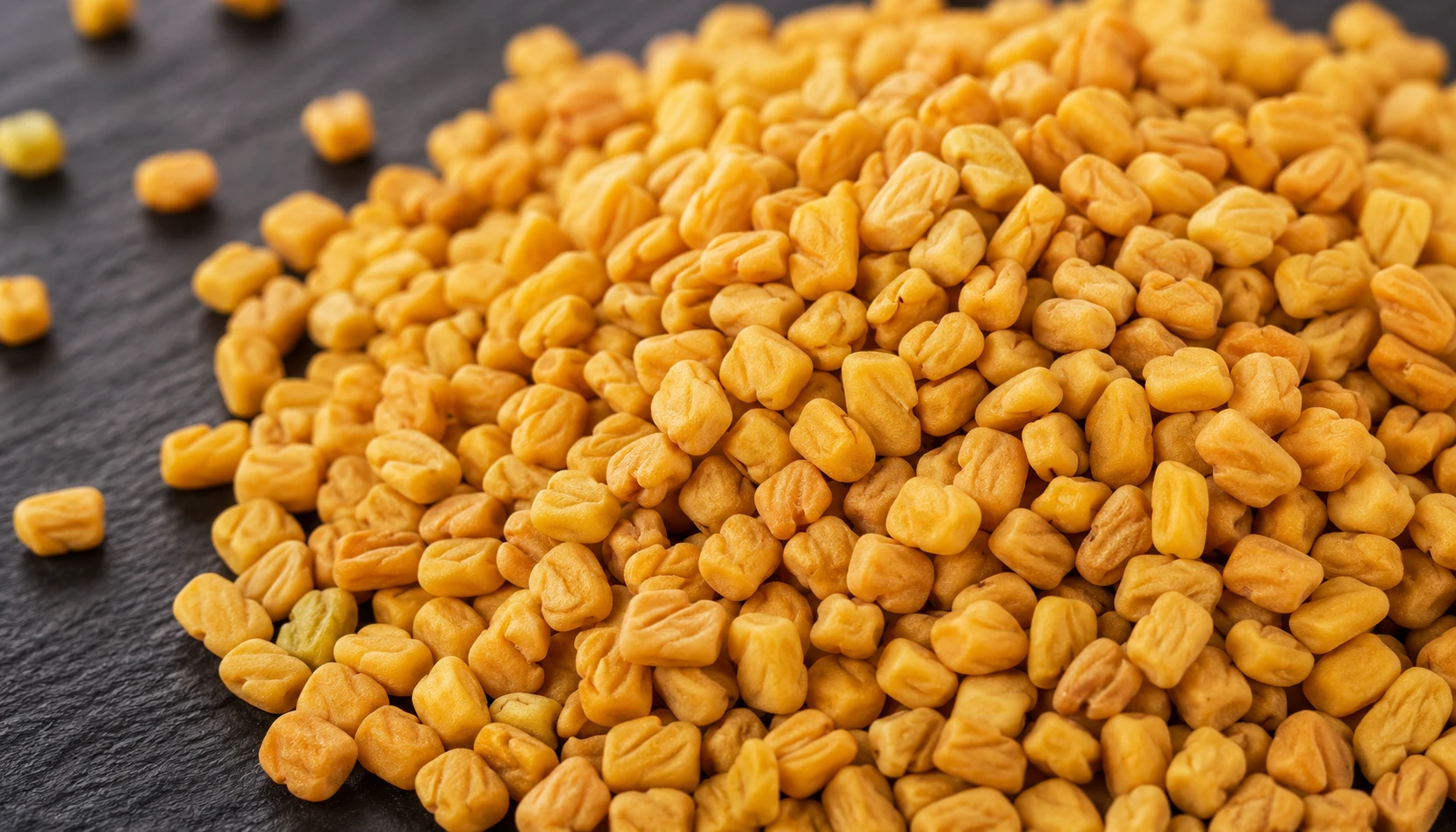
Fig. 2 — Fenugreek seeds (methi dana): small cuboid shape, pale amber. Outer coat holds bitter alkaloids; interior holds sotolone precursors released by heat. CardamomNectar · 2026.
Raw vs Toasted vs Cooked: How the Taste Changes
Fenugreek is one of the few spices where preparation method changes not just the intensity, but the entire character of the flavour. Here is exactly what to expect from each state:
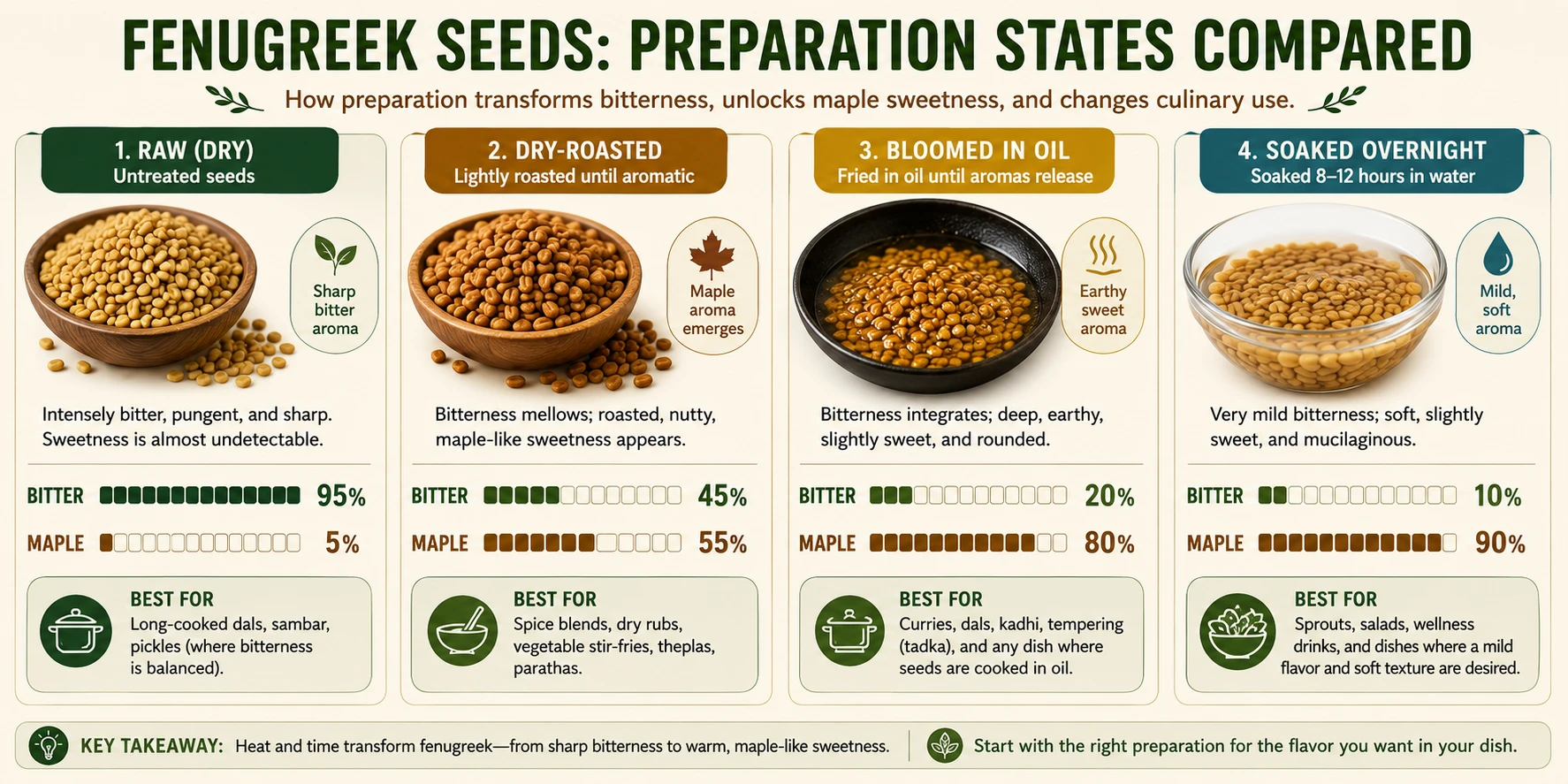
Fig. 3 — The four preparation states: raw, dry-roasted, bloomed in oil, soaked overnight. Bitter % and maple % shift dramatically with each method. CardamomNectar · 2026.
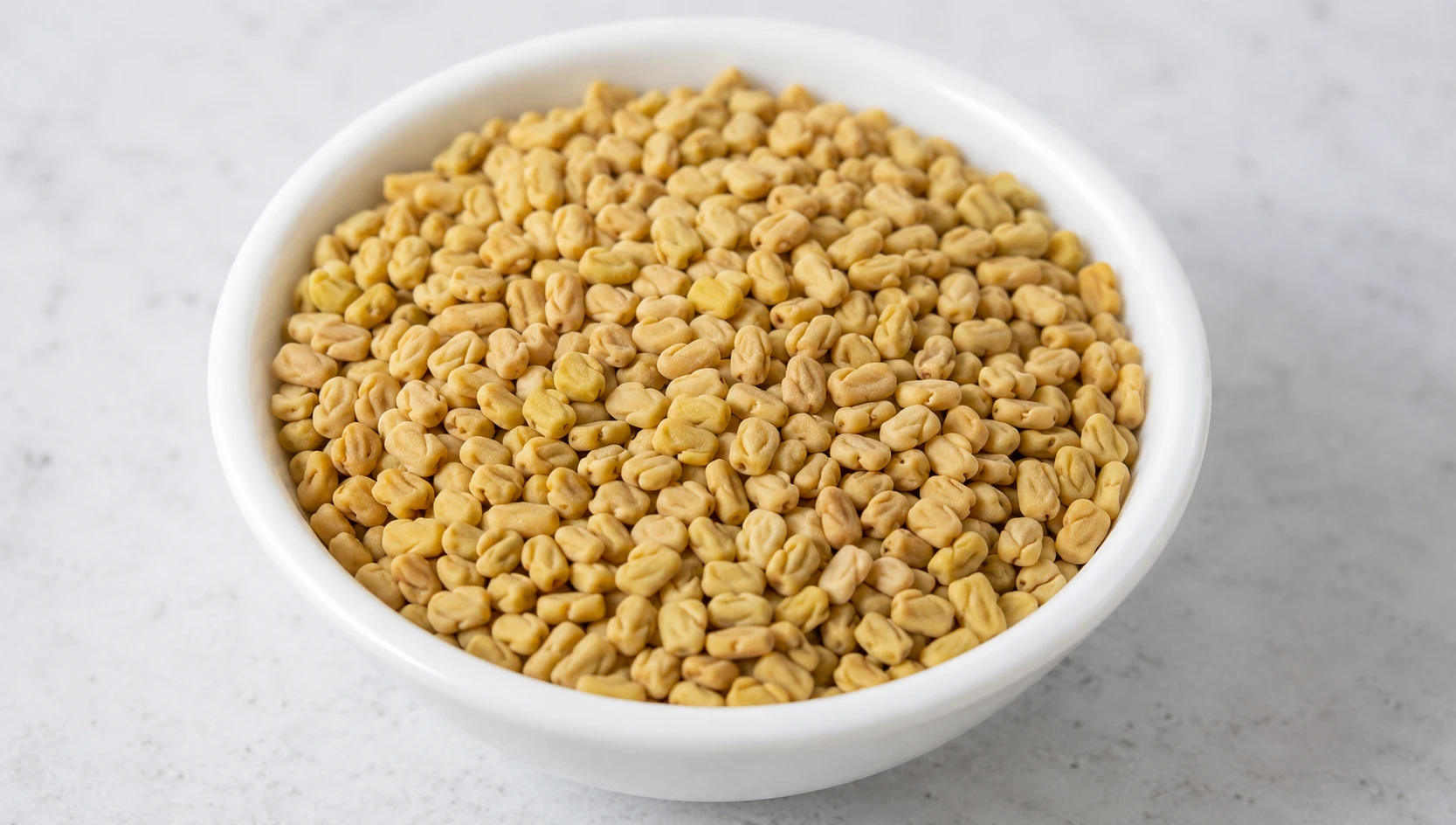
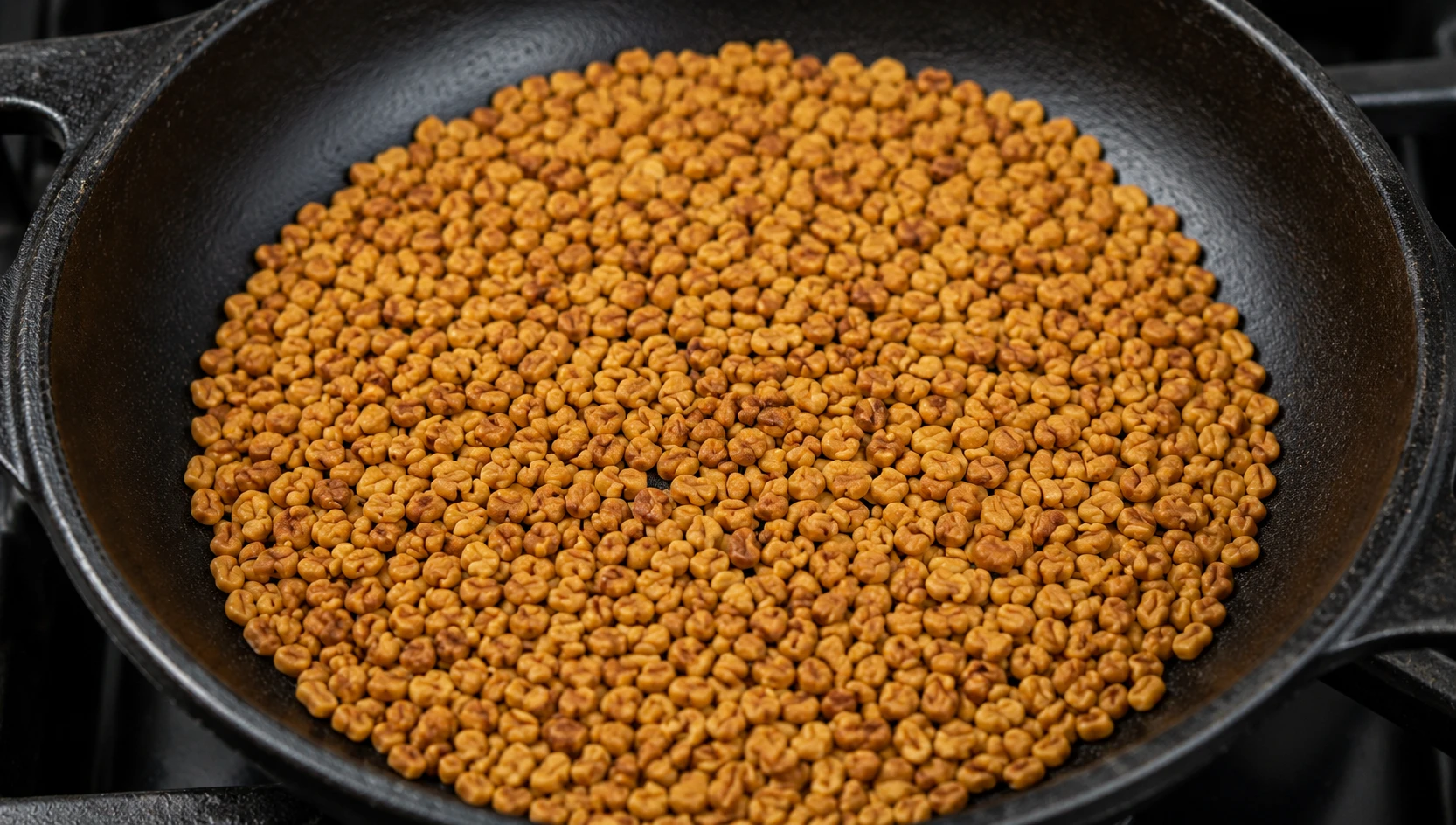
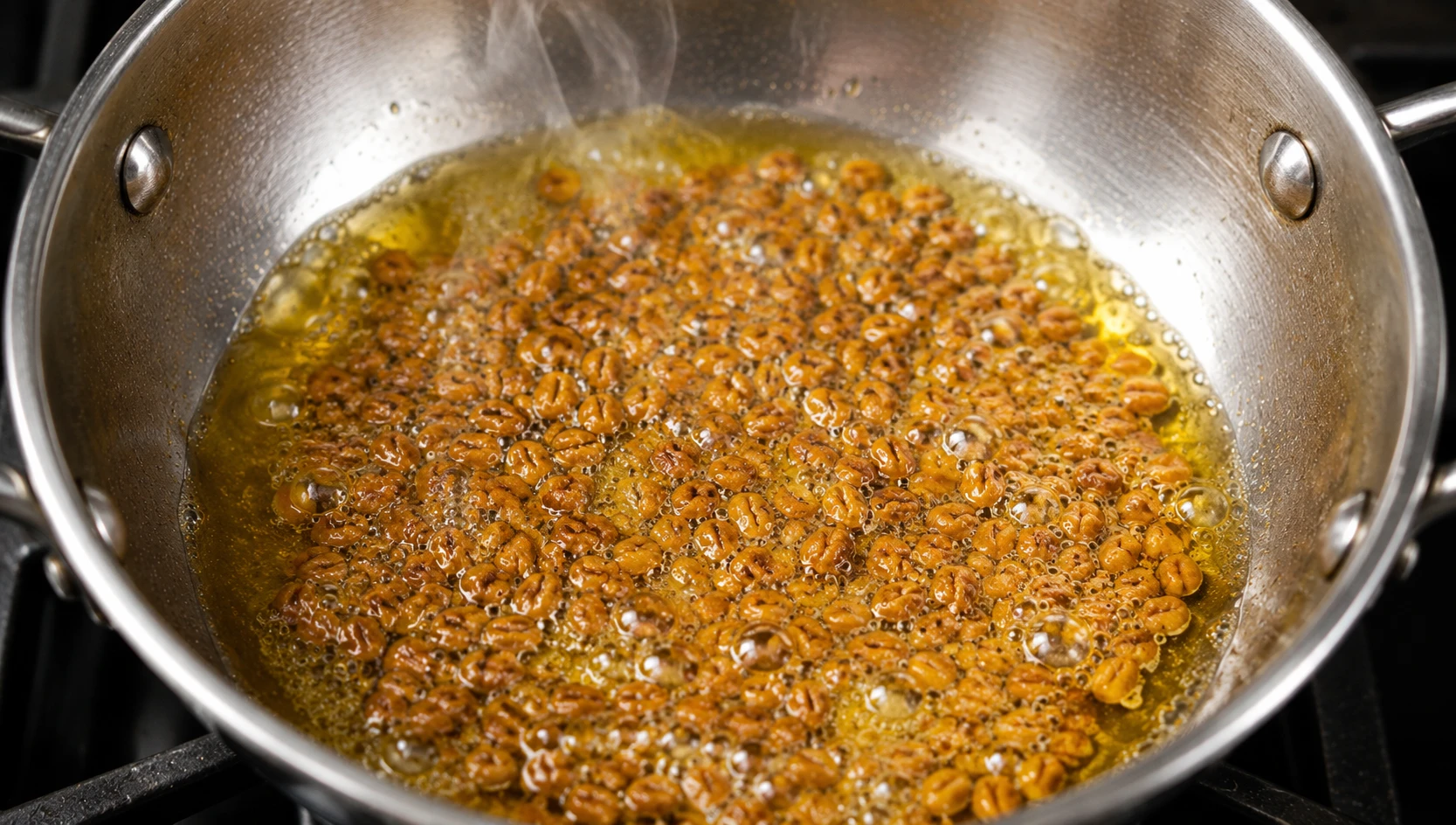
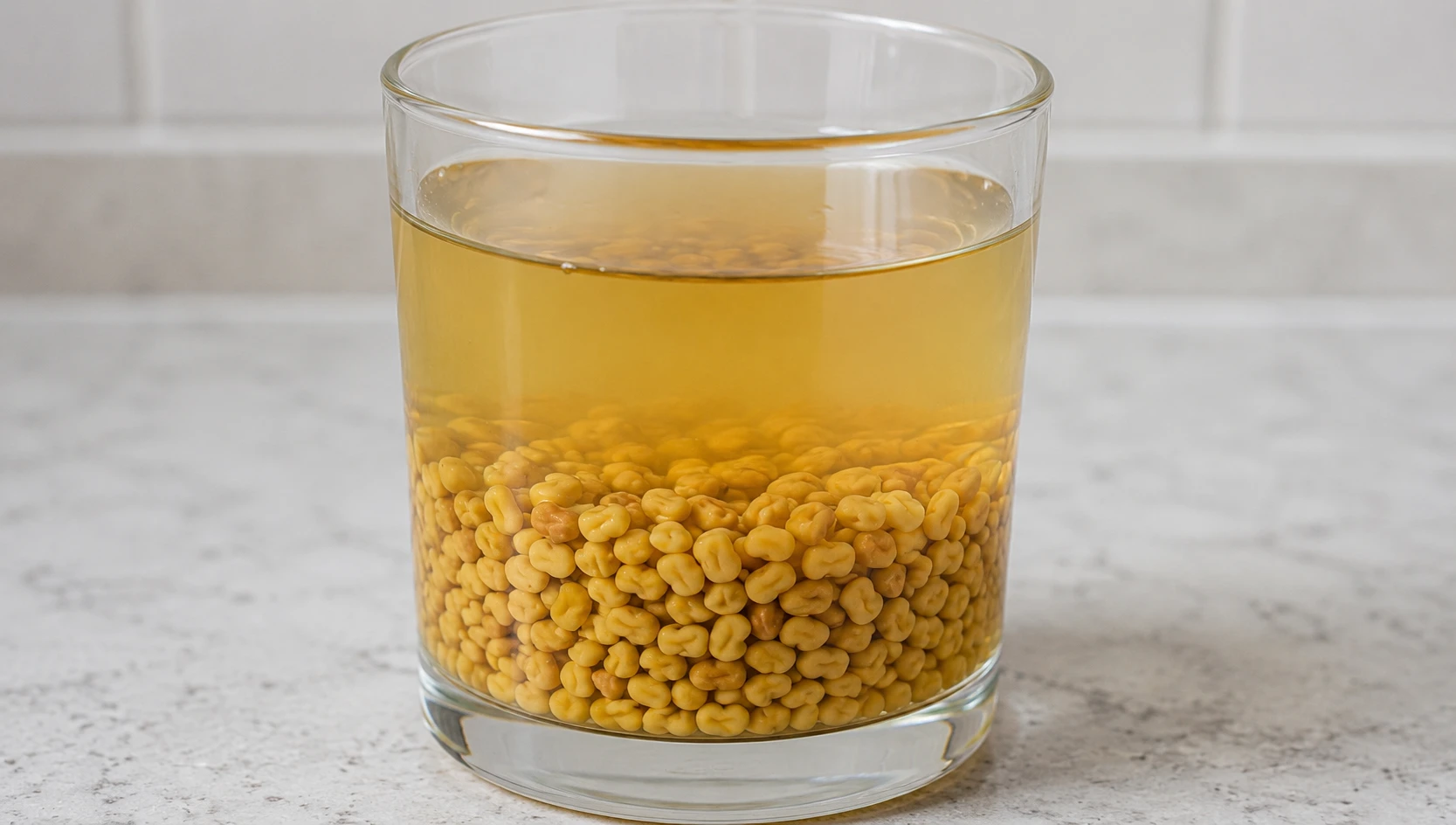
Fenugreek Flavor Profiler
Seeds vs Leaves vs Powder: Different Tastes
One of the most important things to understand is that fenugreek seeds, leaves, and ground powder taste substantially different from one another. They come from the same plant but function as separate culinary ingredients — not directly interchangeable. For a deeper side-by-side (including exact substitution ratios), see our full fenugreek leaves vs seeds comparison.
| Property | Whole Seeds (Methi Dana) | Ground Powder | Fresh Leaves (Methi) | Dried Leaves (Kasuri Methi) |
|---|---|---|---|---|
| Primary taste | Bitter-maple-nutty | Sharper bitter, concentrated | Grassy, gently bitter | Aromatic, floral, mildly bitter |
| Maple note | Strong (when cooked) | Muted unless pre-toasted | Faint | Moderate-aromatic |
| Bitterness | High (raw), Medium (cooked) | Very high — releases faster | Low-medium | Low |
| Best cooking stage | Tempering (tadka) | Early, in spice blends | Late — last 5 mins | Finishing — off heat |
| Interchangeable? | Not directly — different ratios and cooking stages required | |||

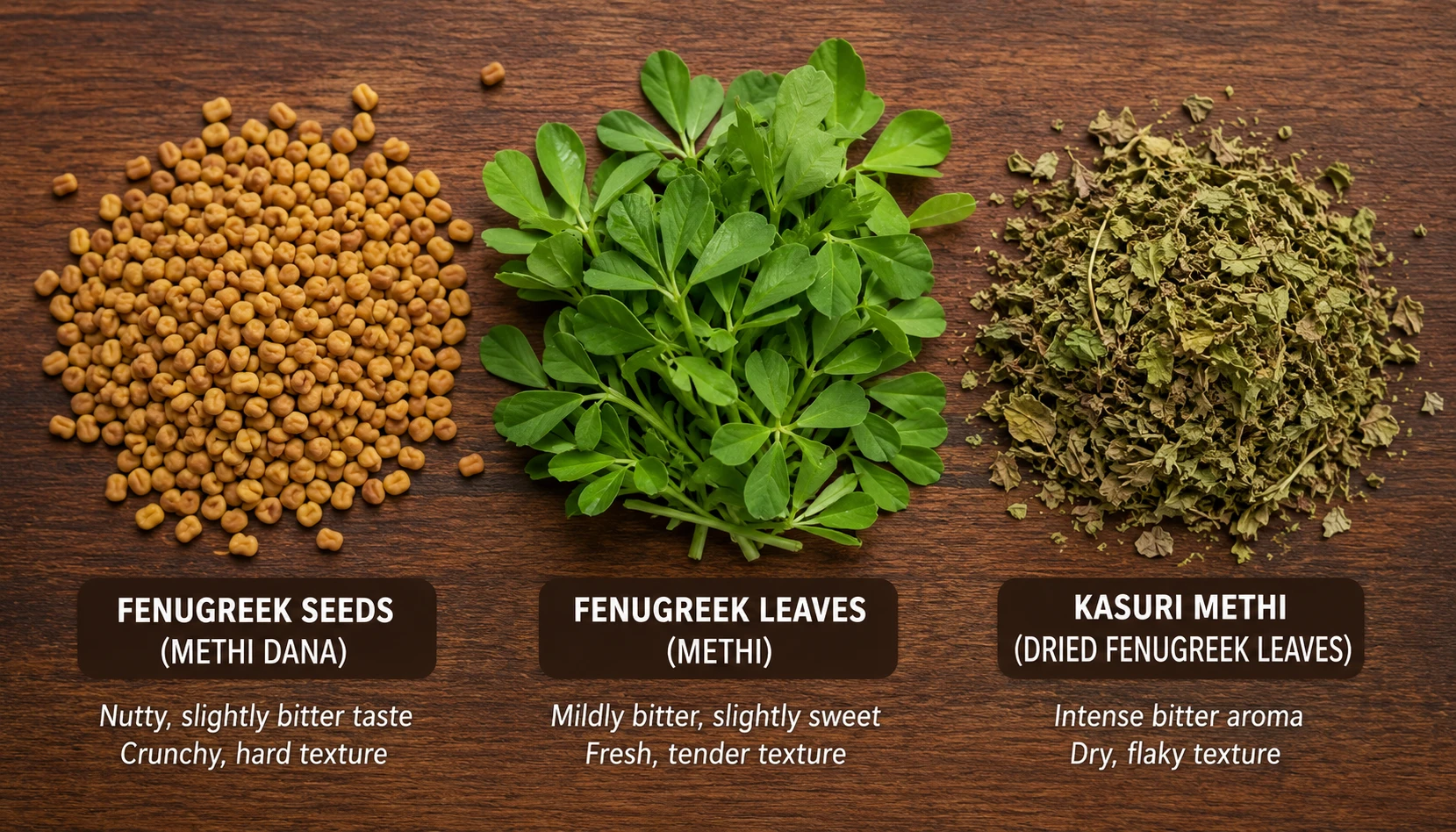
Fig. 4 — Left to right: whole fenugreek seeds (methi dana), fresh fenugreek leaves, and dried kasuri methi. Three different taste profiles, three different kitchen roles, one plant. CardamomNectar · 2026.
What Does Fenugreek Taste Like in Different Dishes?
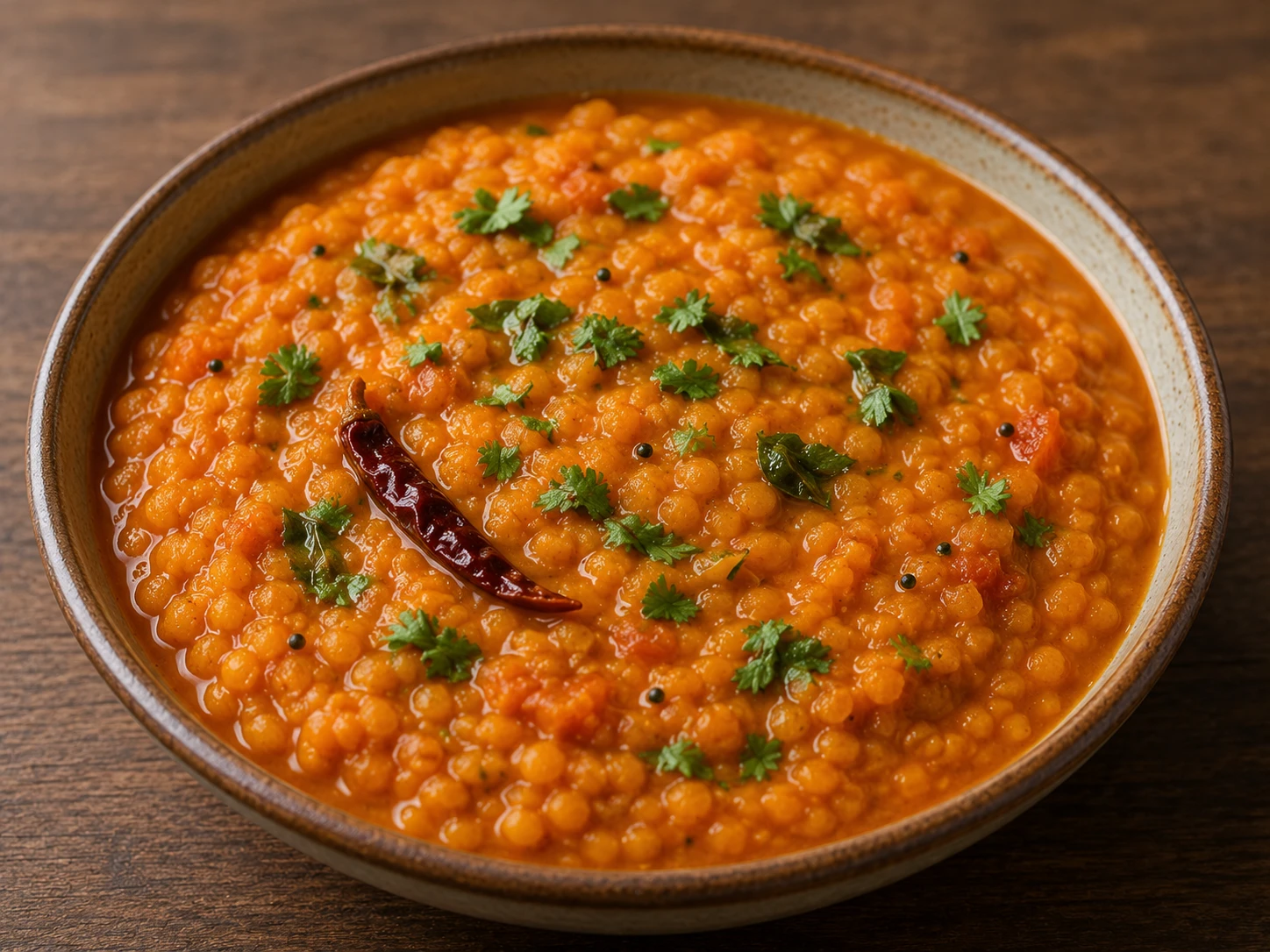
In Dal (Lentil Stew)
Dal is perhaps the best showcase for fenugreek’s cooked flavour. When seeds are bloomed in ghee as part of the tadka and poured sizzling over the finished dal, they contribute a warm, slightly bitter, earthy depth that cuts through the richness of the lentils. You won’t taste “maple” distinctly — instead, a complex rounded warmth emerges that is hard to name but immediately missed if omitted.
In Butter Chicken and Creamy Curries
Here, kasuri methi is the form used — crumbled off-heat into the finished sauce. The contribution is almost entirely aromatic: a sweet-floral, gently bitter top note that lifts the dish from rich to complex. Restaurant butter chicken almost always uses kasuri methi; homemade versions without it taste noticeably flat and one-dimensional.
In Methi Thepla or Paratha (Flatbread)
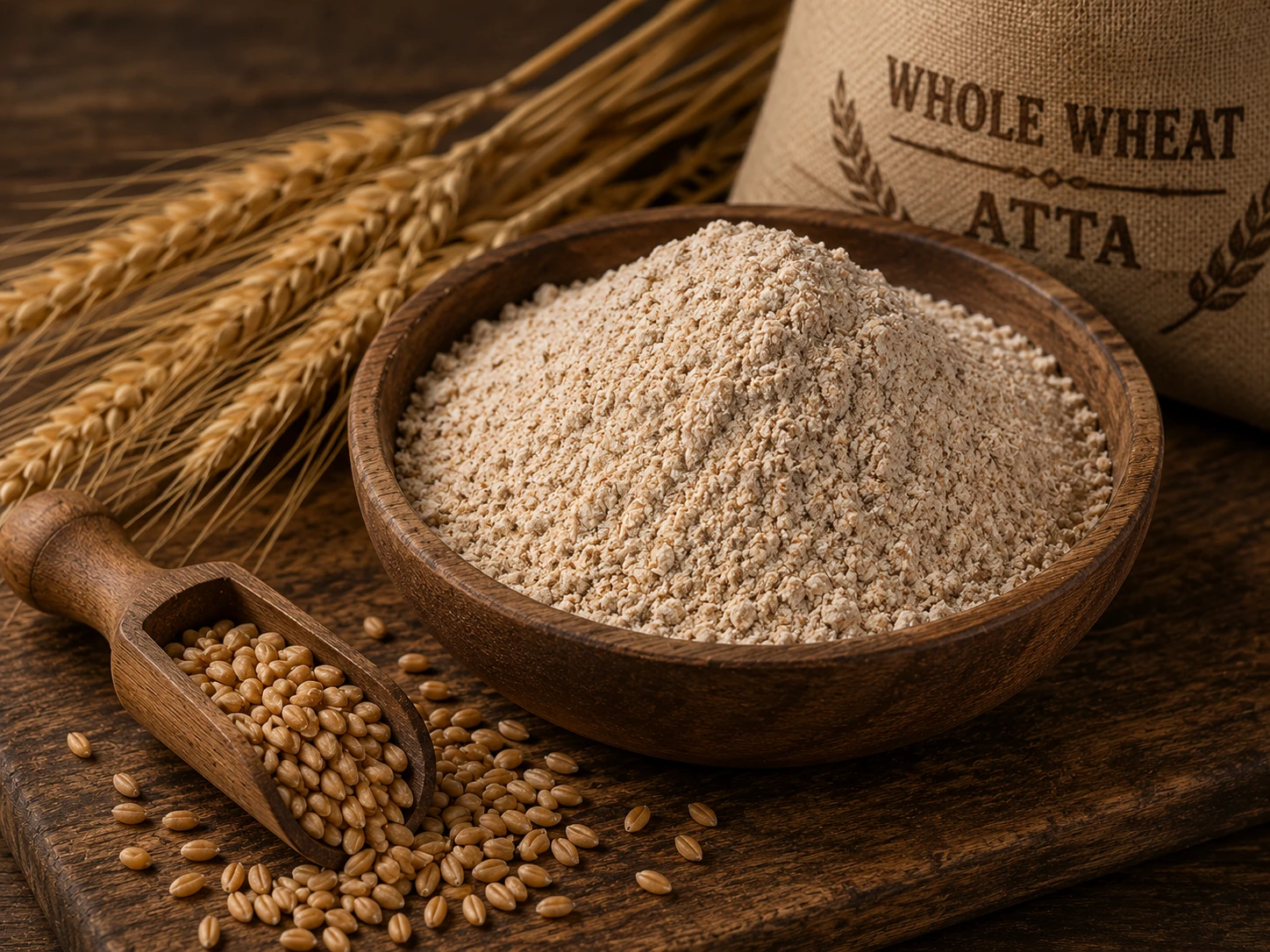
Fenugreek’s most direct taste experience as a leaf. Fresh or dried methi worked into wheat dough gives the flatbread a pleasantly bitter, herbaceous, slightly sweet complexity that pairs perfectly with yogurt, pickle, or ghee. The leaves’ celery-green character is most noticeable here — clear and direct without competing spices.
In Pickle / Achar
Whole fenugreek seeds in pickling oil or brine slowly release their bitter compounds over days. The result is a clean, bitter punch that balances the sour-tangy dominant notes of the pickle. After weeks of aging, the bitter edge softens into something almost savoury and deep.
In Garam Masala or Spice Blends
In small quantities (typically 1–3% of a blend), dry-roasted and ground fenugreek contributes an earthy-warm bass note that rounds out sharper spices. Removing it makes any blend taste thinner and more one-dimensional, even if you cannot identify its absence by name.
Fenugreek Tea & Powder: What Do They Taste Like?
Two forms get asked about separately from the whole seed, because the taste experience is different enough to matter on their own:


Best Flavor Pairings for Fenugreek
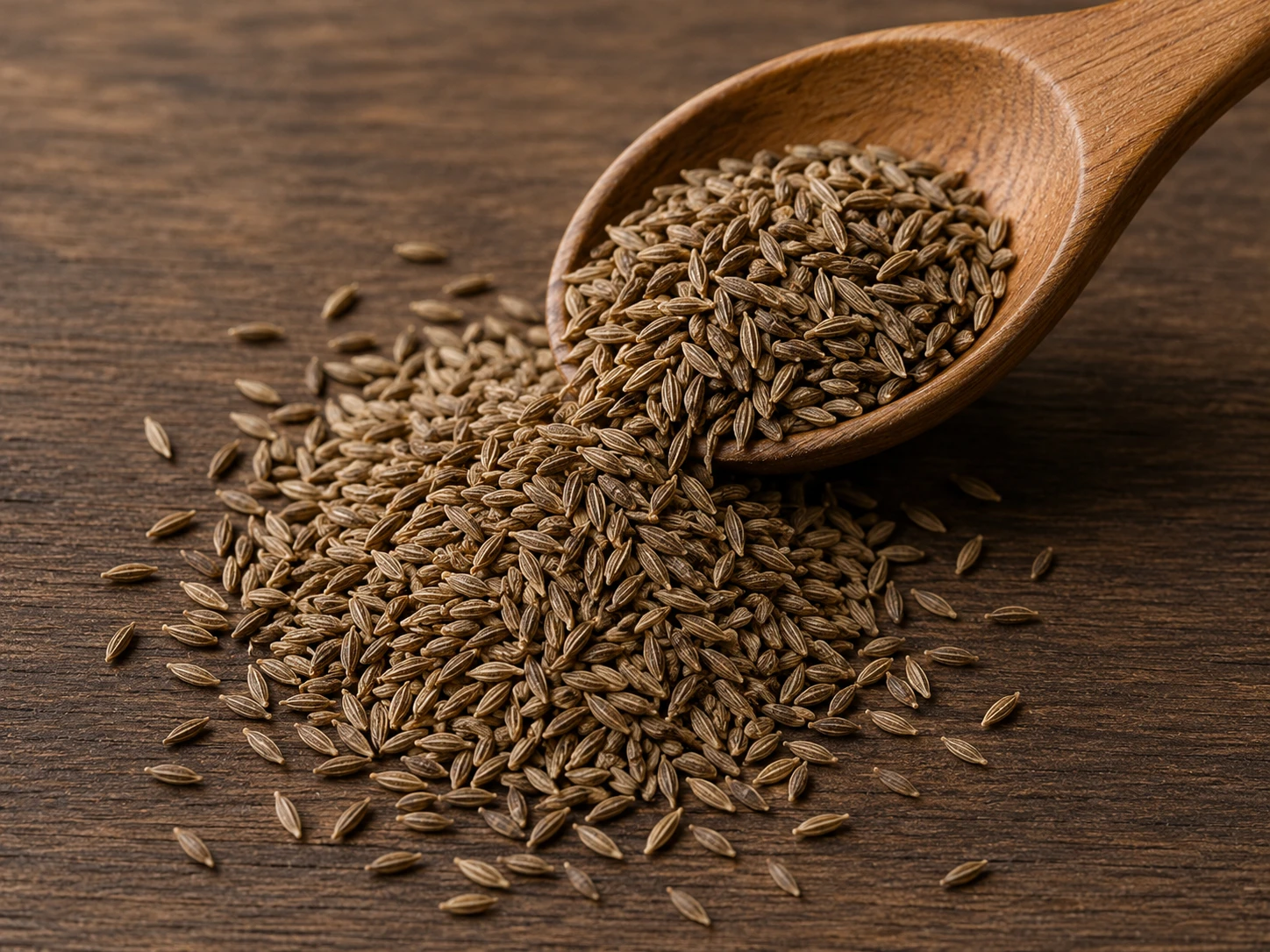
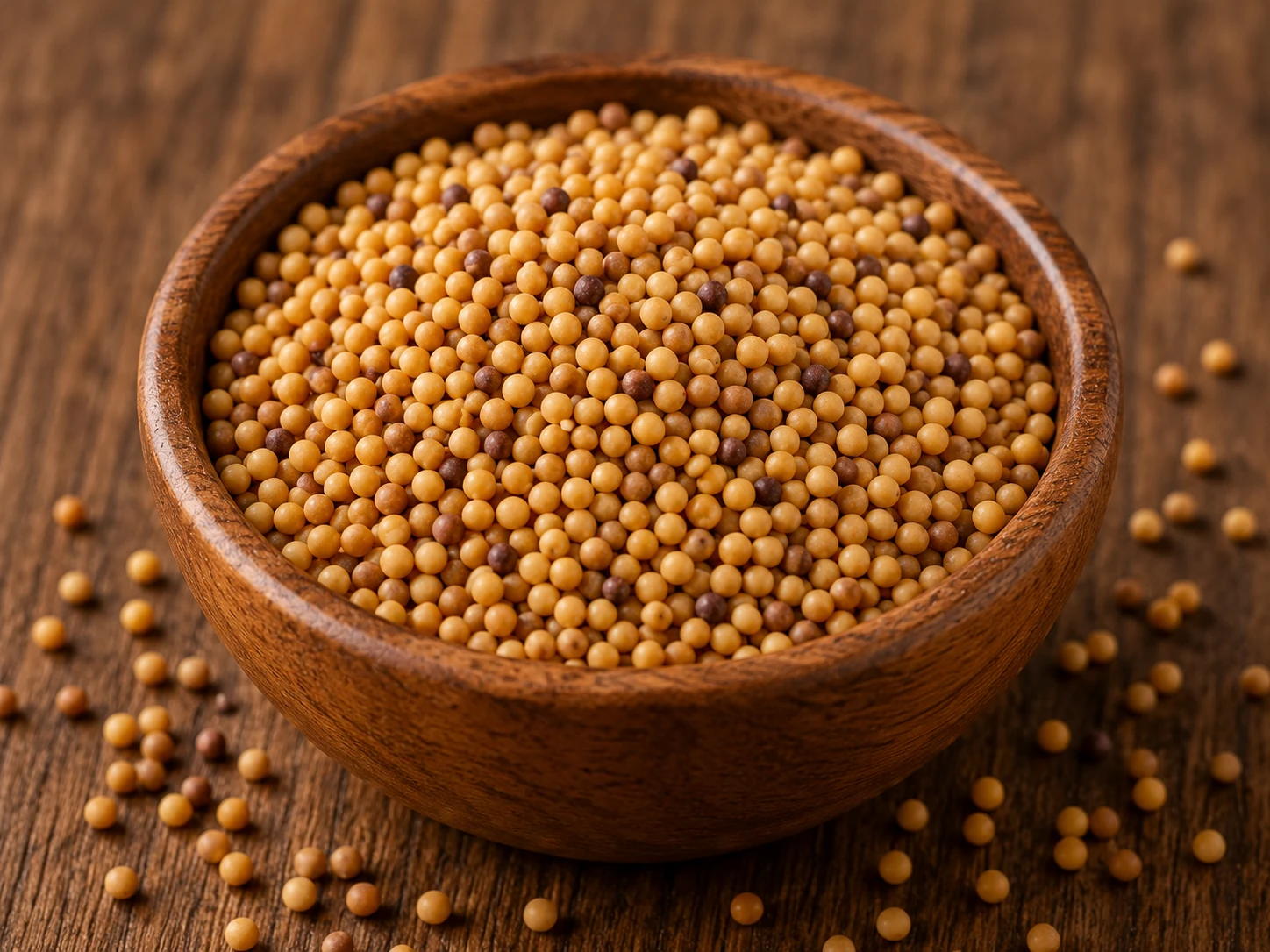
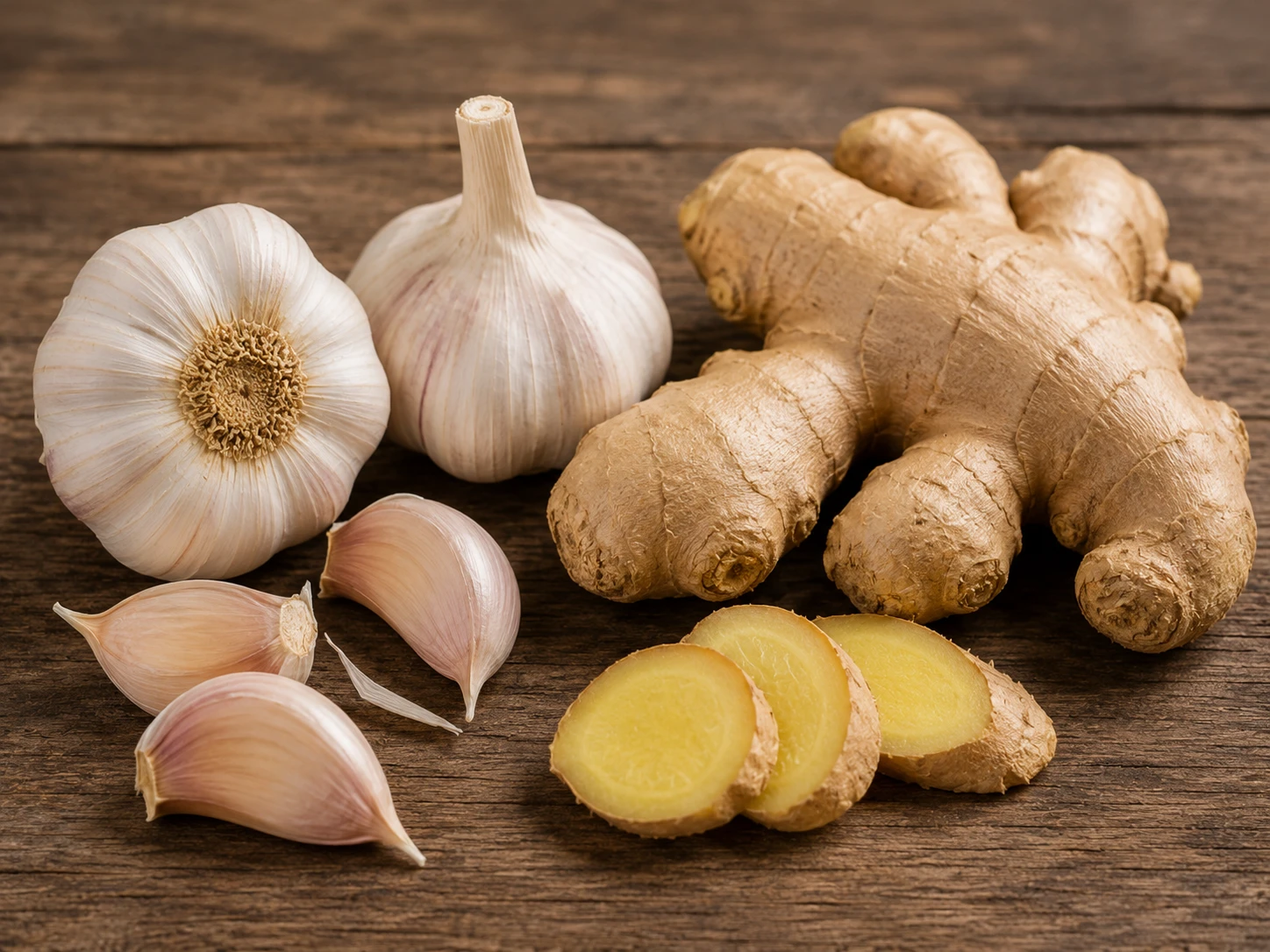
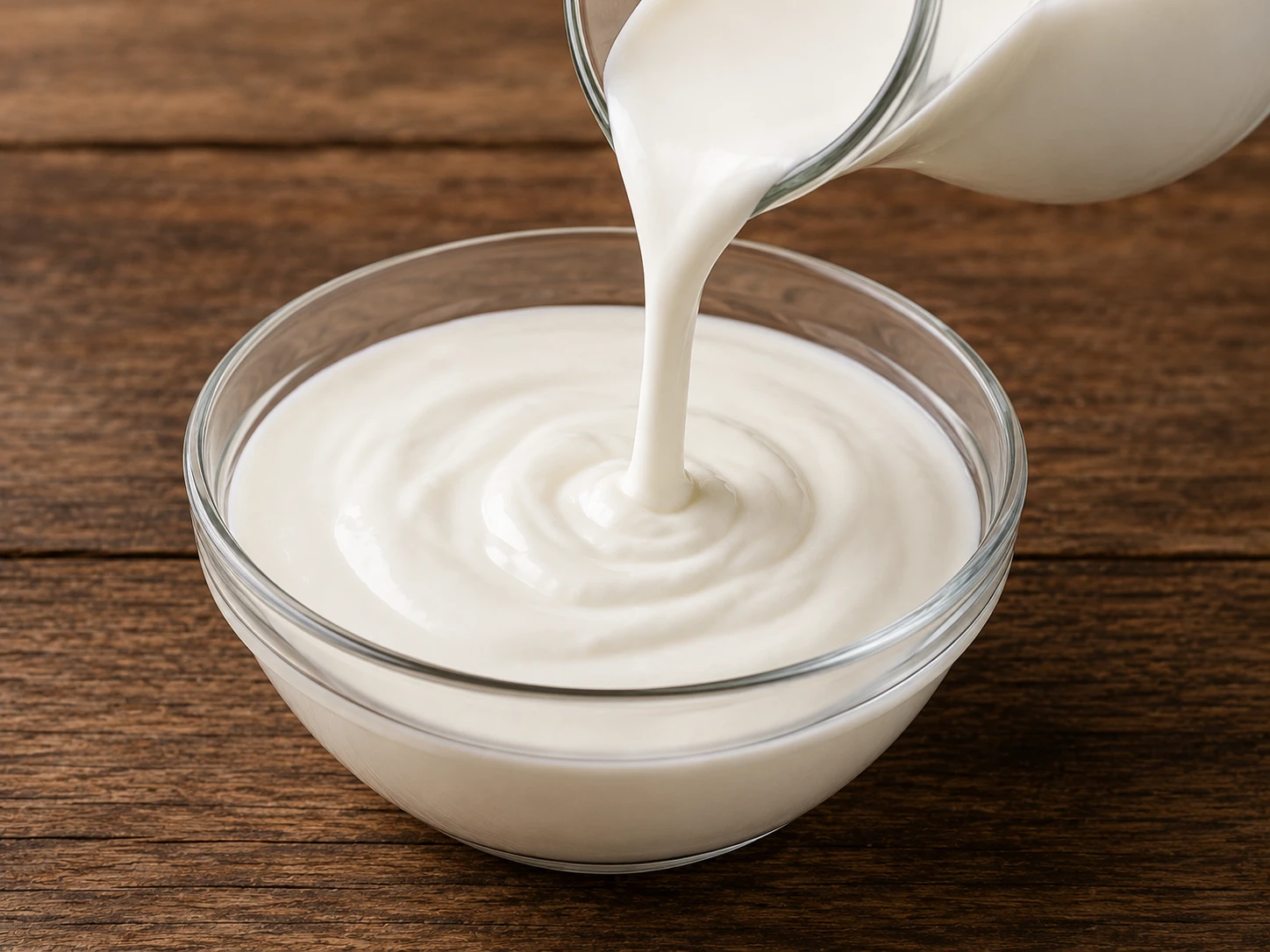
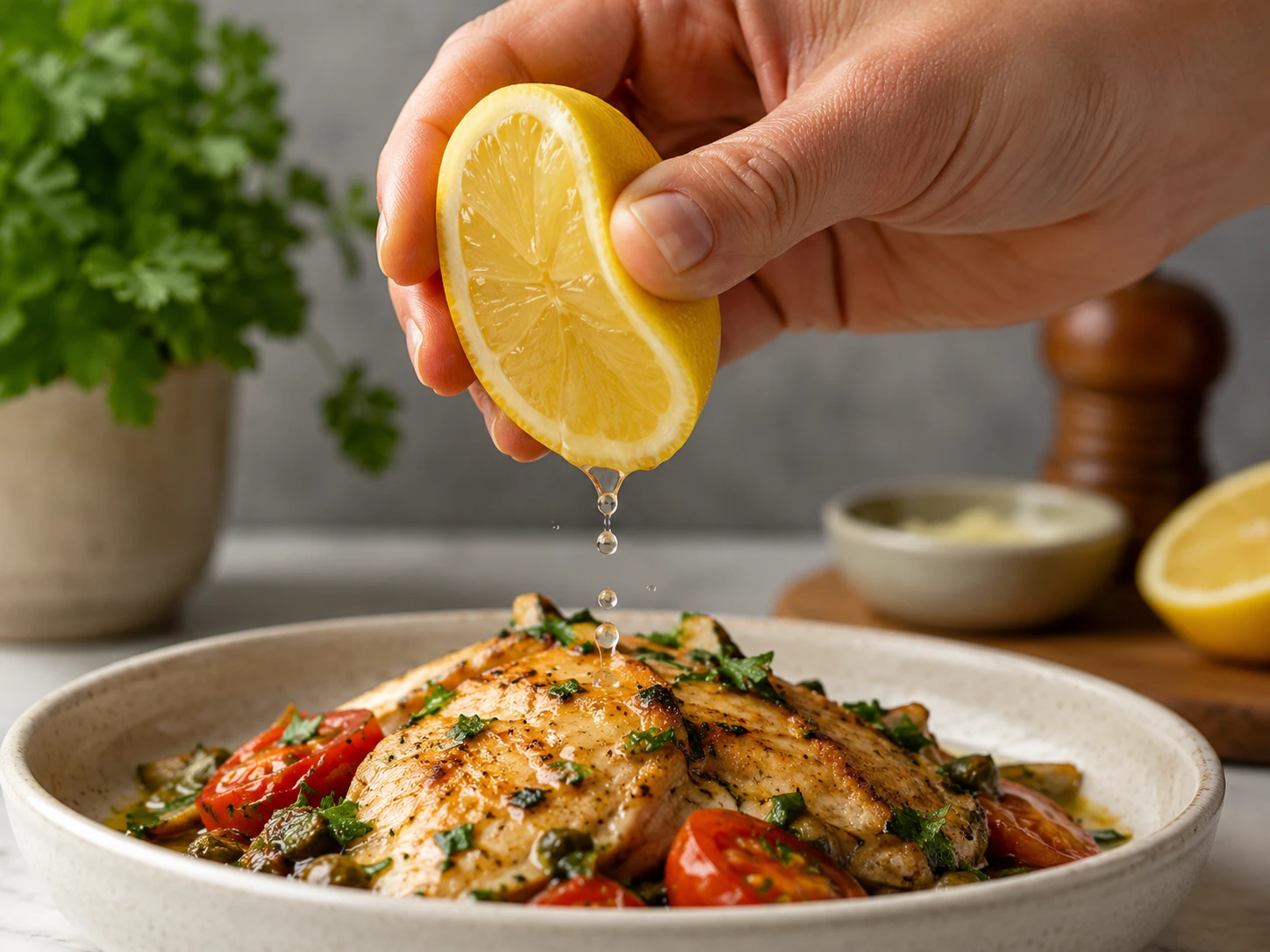
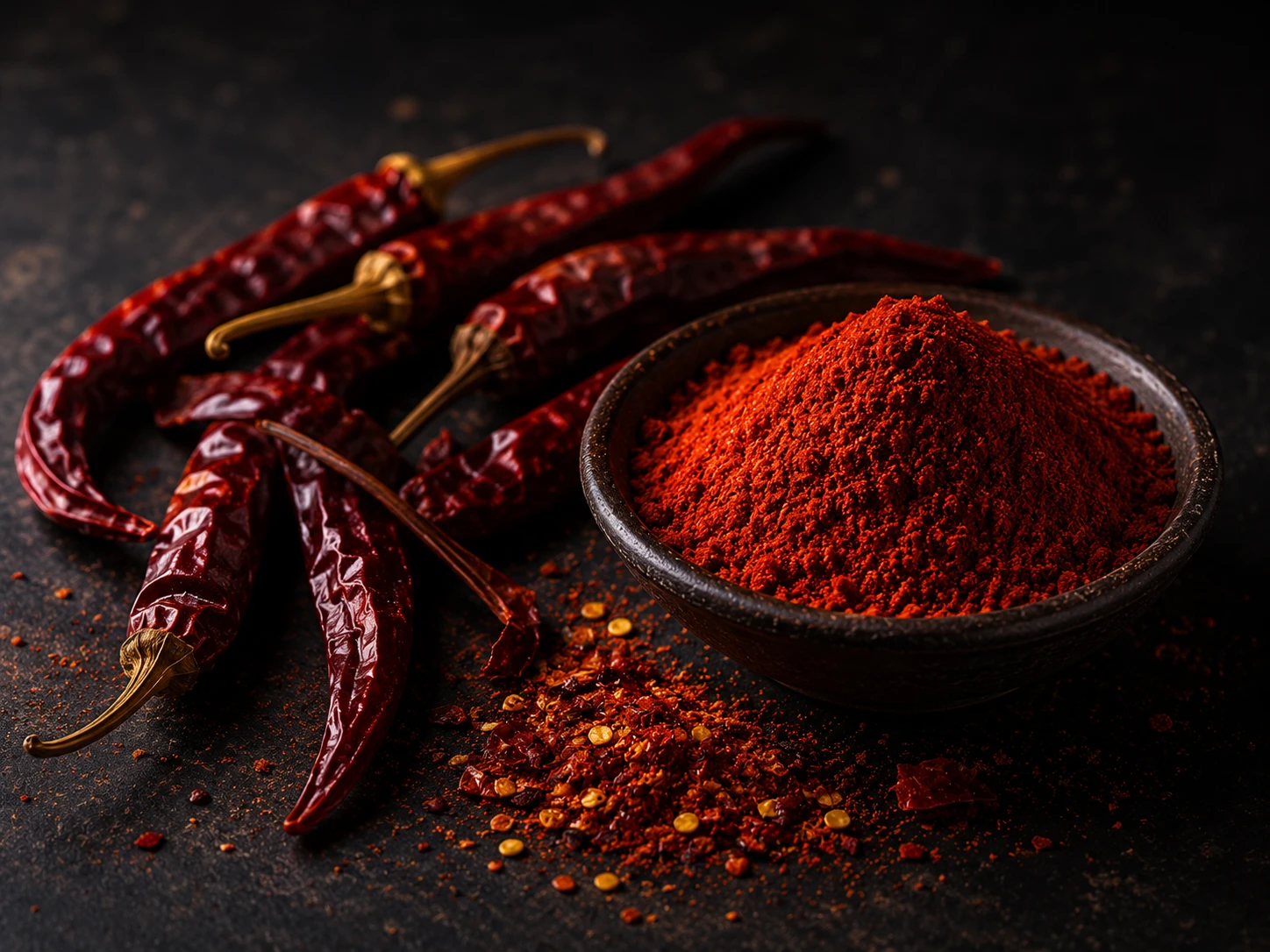
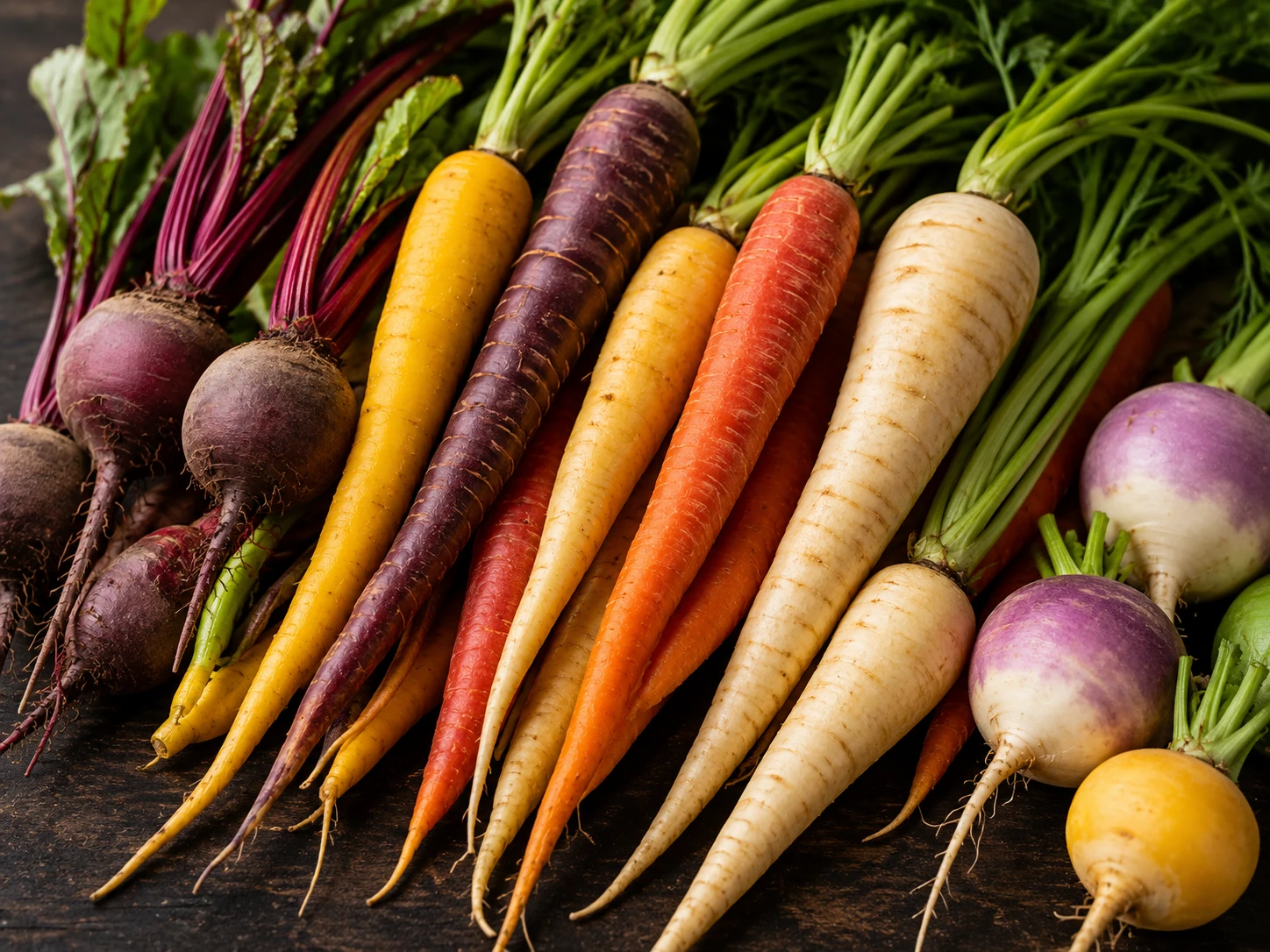
Fenugreek’s bitter-maple-earthy profile pairs naturally with ingredients that are rich, sour, fatty, or pungently aromatic — these counterbalance its dominant bitter edge or amplify its maple-caramel undertone. Understanding these pairings is how professional cooks use fenugreek with confidence — not just by following a recipe, but by knowing why each pairing works at a chemical level.
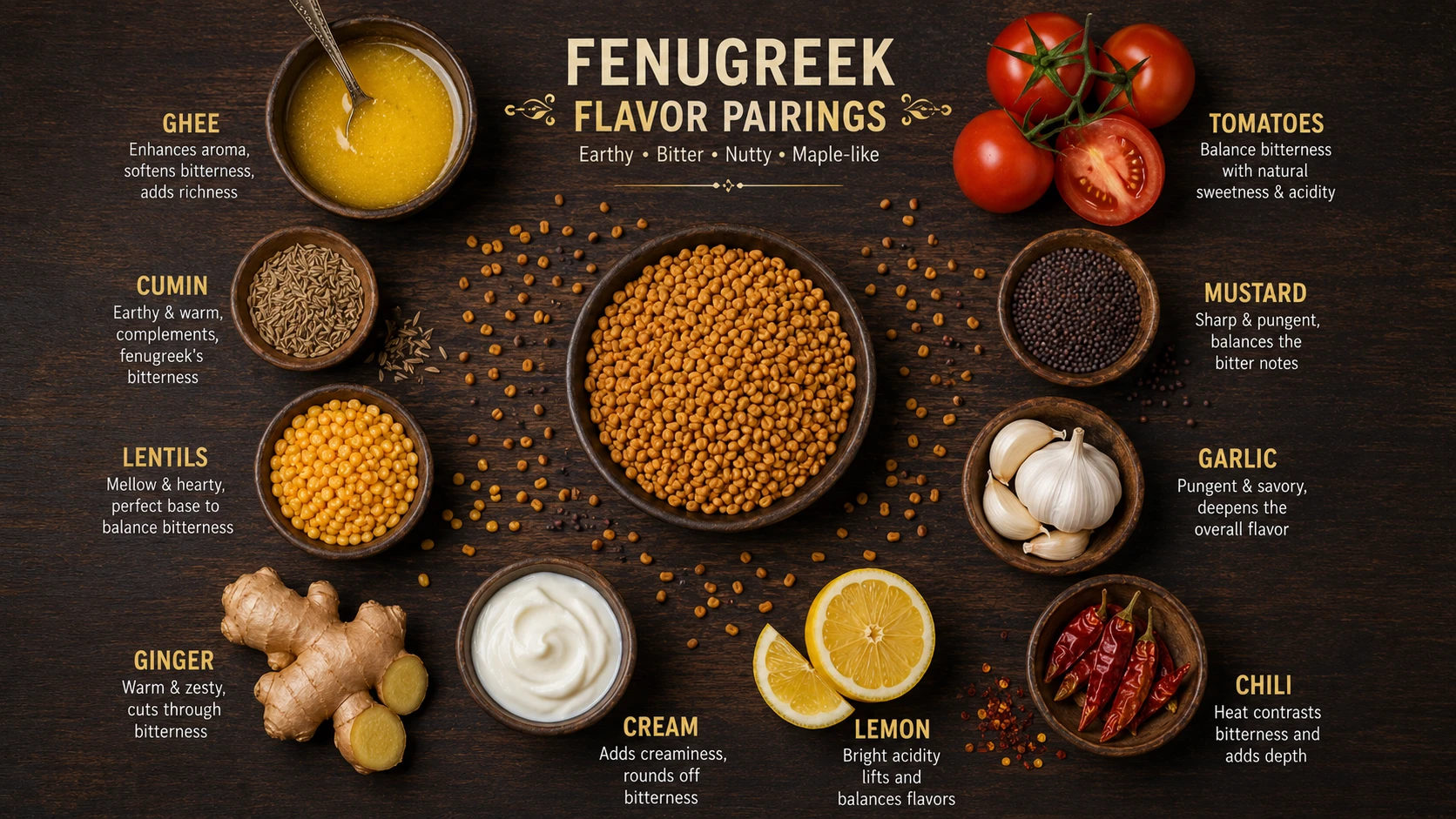
Fig. 5 — Fenugreek’s best flavor pairings. Each works through a specific chemical or sensory mechanism — fat, acid, umami, or sensory contrast. CardamomNectar · 2026.
How to Fix Fenugreek That’s Too Bitter
If your dish tastes overly bitter from fenugreek, these techniques bring it back into balance — listed from most to least effective:
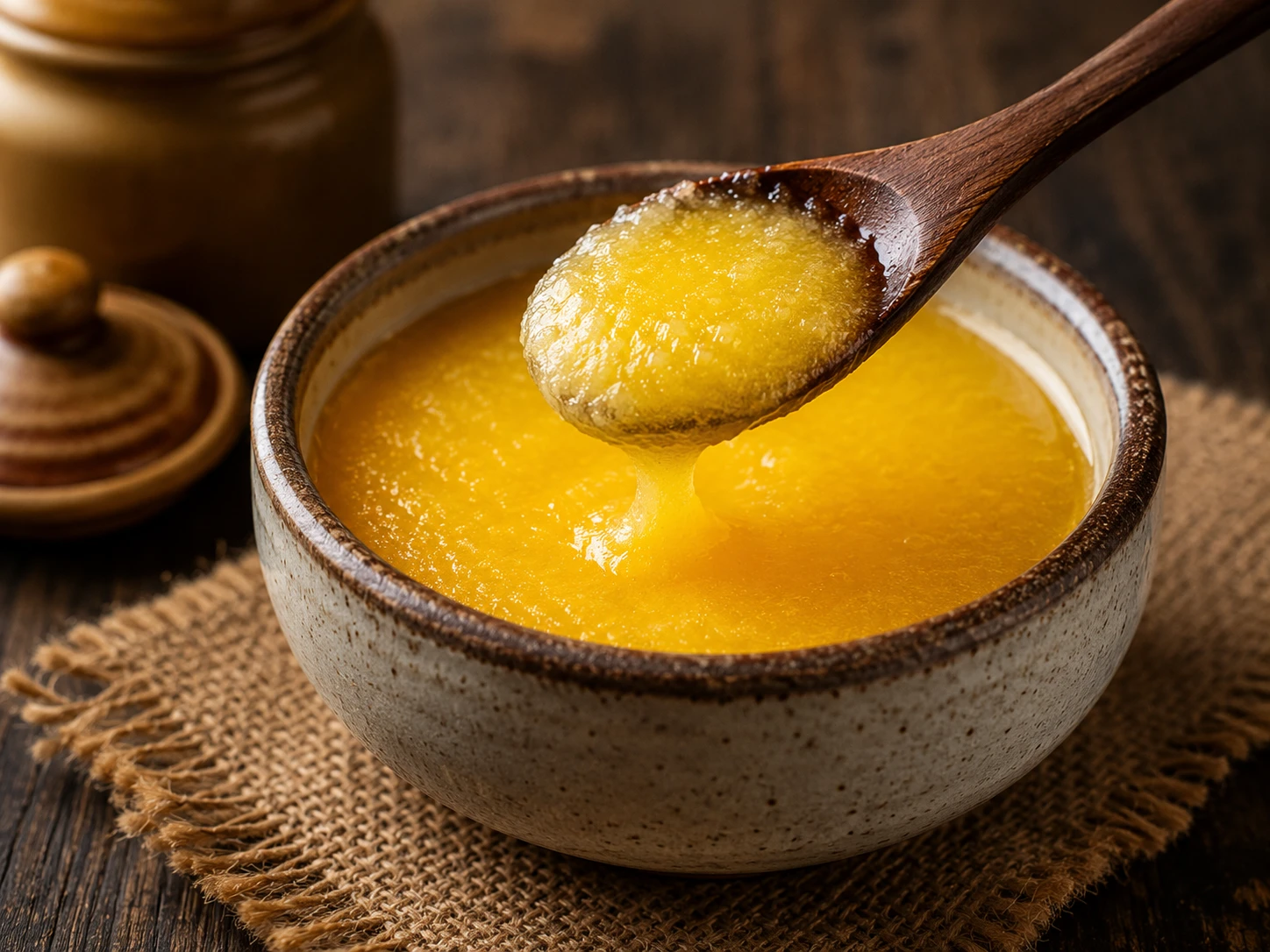
- Add fat: A spoonful of ghee or cream stirred in dilutes bitter alkaloids. Fat-soluble compounds spread through the fat and become less concentrated per bite.
- Add acid: A squeeze of lemon juice or a spoon of yogurt makes bitterness taste less harsh through sensory contrast — one of the fastest fixes.
- Add a pinch of jaggery or brown sugar: Sweet flavours directly suppress bitter perception. Use sparingly — ¼ tsp jaggery per serving maximum.
- Cook longer: Another 10–15 minutes of simmering chemically degrades more alkaloids. Bitterness in slow-cooked dishes mutes naturally over time.
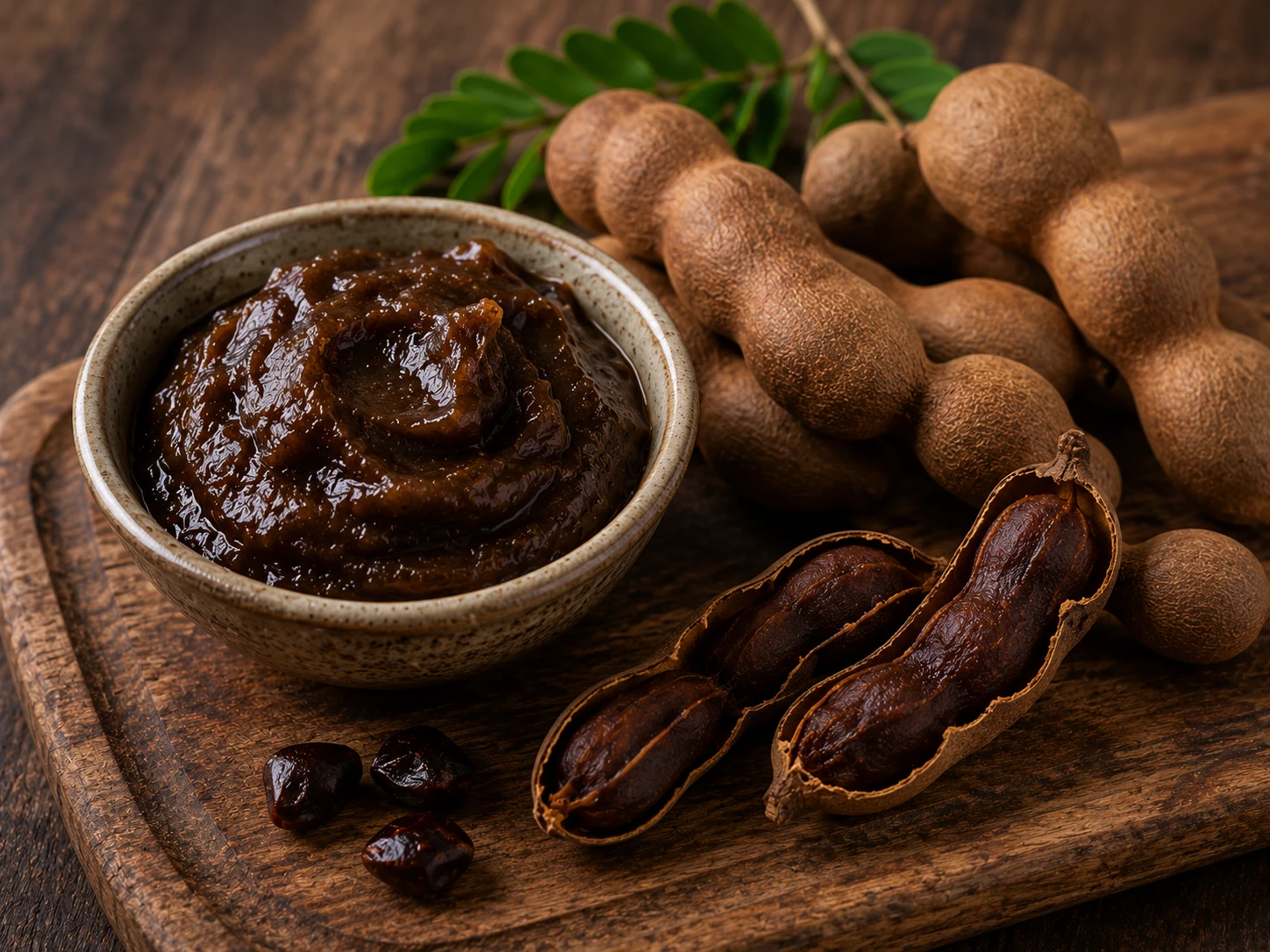
- Add tamarind: Particularly effective at suppressing fenugreek’s bitterness — more so than lemon, due to tamarind’s broader acid profile.
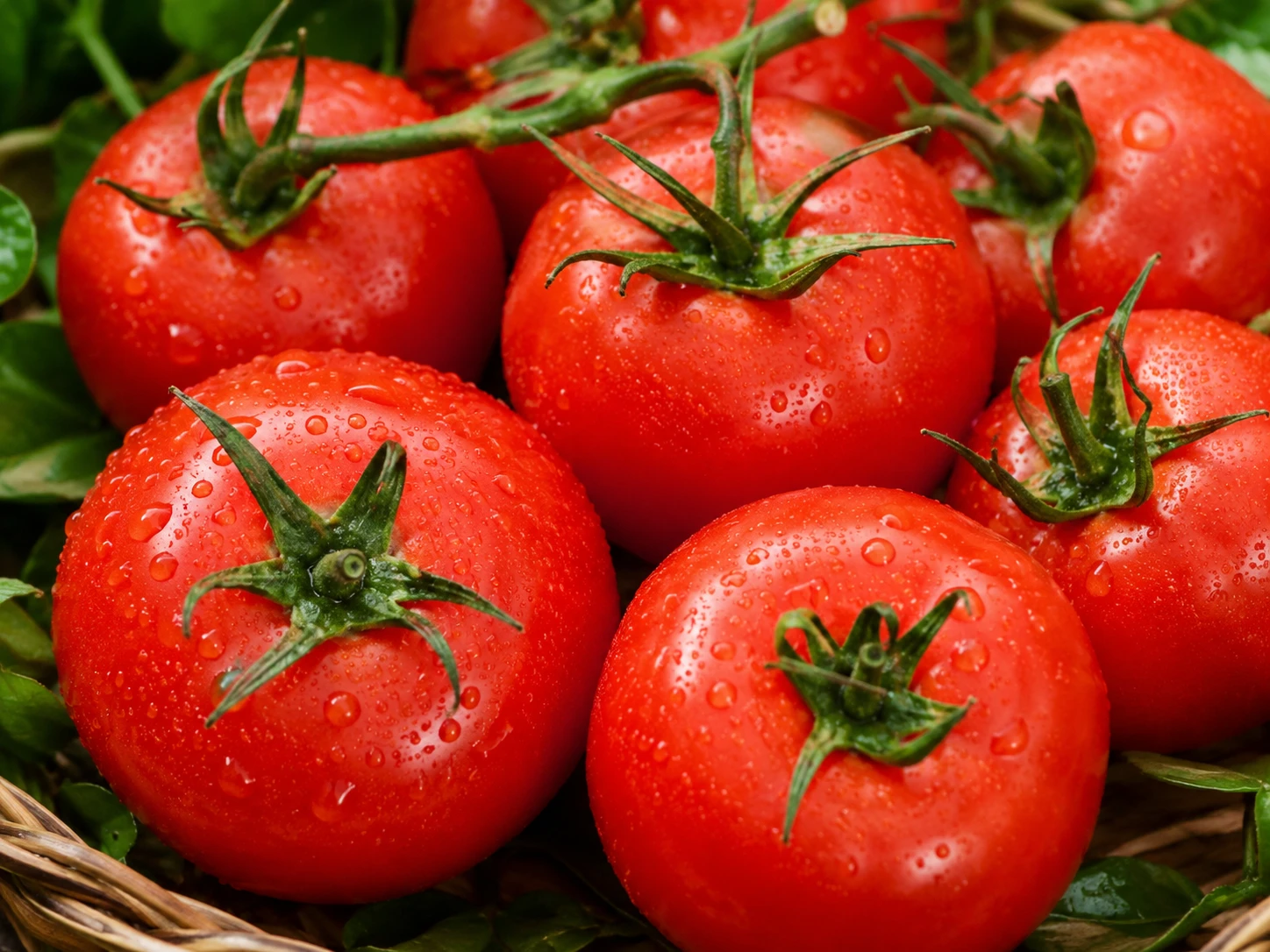
- Add more tomato or onion: Both contain glutamates that create umami roundness, which softens bitter perception through flavour masking.
- Next time, dry-toast seeds first: Prevention is far easier than fixing — dry-toasted seeds before adding to oil reduce bitterness by ~60% from the start.
Frequently Asked Questions
Author & Scientific Reviewer