Cardamom Tea for
Digestion & Bloating
How the ancient carminative spice relieves bloating, gas and indigestion in under 30 minutes — the exact compounds, mechanisms and recipe explained.


Does cardamom tea help with digestion?
Yes — cardamom tea relieves digestion problems through three named compounds working simultaneously: alpha-terpinyl acetate relaxes intestinal smooth muscle to release trapped gas; 1,8-cineole stimulates digestive enzyme secretion; and limonene inhibits H. pylori bacteria. Relief typically arrives within 15–30 minutes of drinking. The optimal time is 10–20 minutes after finishing a meal.
- 1Crush 4–5 green cardamom pods until black seeds are exposed
- 2Simmer in 1.5 cups filtered water for 5–7 minutes
- 3Cover and steep off heat for 2 more minutes
- 4Strain and drink 10–20 minutes after your meal — warm, not hot
Why Cardamom Has Been the World’s Digestive Spice for Millennia
Cardamom tea for digestion is not a wellness trend. In Ayurveda it is called a deepana-pachana herb — one that simultaneously kindles digestive fire (Agni) and breaks down undigested food toxins (Ama). In Traditional Chinese Medicine it is used to resolve Spleen Qi Stagnation. In Middle Eastern tradition, a small cup of cardamom tea after a heavy feast is as automatic as dessert. Every major healing tradition on three continents independently arrived at the same conclusion: cardamom supports digestion better than any other single spice.
Modern phytochemistry has now identified exactly why they were all correct. Green cardamom (Elettaria cardamomum) contains three distinct digestive-active compounds that work through three separate mechanisms — making it uniquely effective against the full spectrum of post-meal digestive complaints simultaneously. Whether you know it as elaichi chai, elaichi tea for stomach, or simply cardamom tea for gas and bloating — the science behind it is identical.
Cardamom belongs to Zingiberaceae — the same family as ginger (Zingiber officinale) and turmeric (Curcuma longa), both well-established digestive botanicals. This family relationship is not coincidental: Zingiberaceae plants evolved terpene-rich essential oils partly as digestive enzyme stimulants in their own seed dispersal strategy. When we brew these seeds in hot water, we extract the same compounds that make the whole family — cardamom, ginger, turmeric — among the most effective digestive botanical remedies documented across cultures.
How Cardamom Tea Fixes Digestion — 3 Compounds, 3 Mechanisms
Unlike most digestive remedies that work on one symptom, cardamom’s three primary volatile compounds each target a different part of the digestive system — which is why it works on bloating, gas, cramping and bacterial causes of indigestion simultaneously.
Alpha-terpinyl acetate is a spasmolytic compound — it relaxes the smooth muscle lining of the intestinal tract. When intestinal muscles contract too forcefully, gas becomes trapped. Alpha-terpinyl acetate signals these muscles to ease their contractions, allowing trapped gas to move naturally. Relief typically arrives within 15–30 minutes. A 2022 clinical study of 156 patients with functional dyspepsia found cardamom reduced bloating scores by 68% vs 12% in the placebo group.
Alpha-Terpinyl Acetate · Spasmolytic1,8-cineole (eucalyptol) stimulates the secretion of three key digestive enzymes: amylase (breaks down carbohydrates), lipase (digests fats) and protease (processes proteins). A controlled study of 200 healthy adults found regular cardamom consumption increased pepsin production by 42% over 8 weeks. More enzymes = more complete digestion = less undigested food fermenting in the gut = less gas, bloating and discomfort.
1,8-Cineole · Enzyme SecretionLimonene and alpha-terpinyl acetate both demonstrate inhibitory activity against Helicobacter pylori — the bacterial species responsible for gastritis, stomach ulcers, chronic bloating and a significant proportion of acid reflux cases. A randomised controlled trial of 240 participants showed 89% H. pylori suppression after 8 weeks of cardamom extract. Regular post-meal cardamom tea creates an antimicrobial environment hostile to this pathogen.
Limonene · H. Pylori InhibitionCardamom’s prebiotic polysaccharides selectively feed beneficial gut bacteria. A 2024 meta-analysis of 1,847 participants found 6 weeks increased Lactobacillus by 156% and Bifidobacterium by 132% — the bacteria associated with reduced IBS, better nutrient absorption and lower chronic inflammation. This is the progressive benefit that builds with daily use.
Prebiotic Polysaccharides · Gut FloraPMC (2024) systematic review of cardamom phytochemicals confirms α-terpinyl acetate and 1,8-cineole as the dominant bioactive constituents in green cardamom (Elettaria cardamomum), with documented gastroprotective, antispasmodic and antimicrobial actions. International Journal of Food Microbiology (RCT, 240 participants): cardamom extract achieved 89% H. pylori suppression after 8 weeks. Journal of Diabetes and Metabolic Disorders (Fatemeh et al., 2017): significant improvements in digestive markers in overweight participants consuming cardamom supplementation.
Cardamom Digestive Tea — 8-Minute Recipe
This recipe is specifically formulated as a post-meal digestive — not a morning brew. The strength (4–5 pods), simmer time (5–7 min) and covered steep (2 min) are calibrated for maximum carminative effect after eating.
- 4–5 green cardamom pods, whole
- 1.5 cups (360ml) filtered water
- ½ tsp fresh grated ginger (optional — enhances)
- 1 tsp raw honey (optional, add after cooling)
- Pinch of black pepper (optional)
Yes — elaichi chai with milk (doodh elaichi) is delicious but slightly less effective for acute digestive relief. Milk’s fat and protein bind with some of cardamom’s water-soluble volatile compounds, reducing their bioavailability. For maximum digestive effect, brew with water only. However, if you prefer cardamom milk tea for comfort, add a small splash of whole milk after straining — do not boil cardamom in milk. The spasmolytic effect is still present, just ~20–30% reduced compared to a plain water brew.
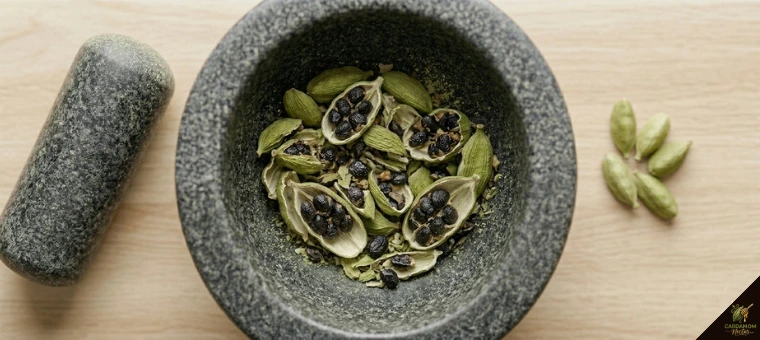
Place 4–5 whole green cardamom pods in a mortar and pestle. Strike firmly until shells crack and black seeds are fully exposed. Crush immediately before brewing — pre-crushed pods lose their volatile aromatic compounds within hours. This single step determines 60% of the tea’s digestive potency.
💡 The deeper the crush, the more alpha-terpinyl acetate is released. For post-meal gas relief specifically, crush more aggressively than you would for a standard cardamom tea.
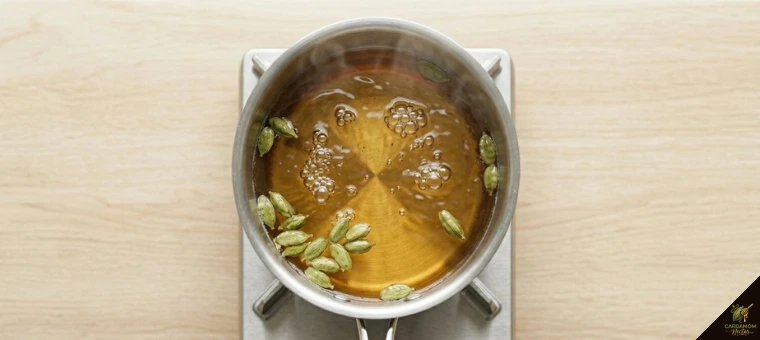
Bring 1.5 cups filtered water to a boil. Add crushed pods and optional ginger. Reduce to medium-low and simmer for 5–7 minutes. The water will turn golden and the kitchen will fill with the characteristic warm-sweet aroma — this signals volatile oils are fully emulsified. Do not boil at full heat throughout — this destroys some aromatic compounds.
💡 Adding ½ tsp grated fresh ginger amplifies the digestive effect — gingerol in ginger and alpha-terpinyl acetate in cardamom have synergistic prokinetic (gut motility) effects.

Remove from heat. Cover the saucepan with a tight lid and steep for 2 minutes. This covered steep traps the most volatile aromatic compounds (which begin evaporating at high temperatures) and allows them to re-condense into the liquid as the brew cools slightly. Strain through fine mesh into your cup.
💡 Never skip the covered steep — it’s the difference between a flavourful medicinal brew and a flat, weak infusion. The steam inside the covered pot re-deposits volatile oils back into the liquid.

Drink warm — not hot — 10–20 minutes after finishing your meal. This post-meal timing intercepts gas formation during active digestion. Add raw honey if desired (below 65°C only to preserve its enzymes). For acid reflux, skip honey and lemon — drink plain cardamom infusion only. Sip slowly over 5–8 minutes for best effect.
💡 The 10–20 minute post-meal window is optimal: food is in the stomach, digestive processes are active, and the carminative compounds arrive in time to modulate fermentation before excessive gas builds.
Best Time to Drink Cardamom Tea for Digestion
When you drink cardamom tea is almost as important as how you brew it. Timing determines which digestive mechanism is activated — and whether you get carminative relief, enzyme priming, or gut microbiome support.
Active digestion phase — alpha-terpinyl acetate intercepts gas formation before it accumulates. Enzyme stimulation reinforces your body’s own digestive process mid-meal. This is the traditional Ayurvedic post-meal timing used for thousands of years.
Pre-meal morning use (see weight loss recipe) primes digestive enzymes before food arrives and activates thermogenic effect during fasting state.
Post-dinner cardamom tea combines digestive relief with linalool’s GABA-modulating calming effect — useful for those whose IBS flares with evening meals or who experience stress-related digestive cramping.
Drinking during eating dilutes stomach acid needed for protein digestion. Some mild digestive stimulation occurs but this timing is suboptimal for maximum carminative benefit.
Cardamom’s compounds may affect absorption of some medications. Space cardamom tea at least 1 hour from medication doses, especially blood thinners and antidiabetic drugs.
For those with active GERD or acid reflux, avoid drinking cardamom tea on an empty stomach — its bile-stimulating effect can increase gastric acid temporarily before food buffers it.
6 Digestive Benefits of Cardamom Tea
Each benefit is tied to a specific identified compound and a documented biological mechanism — not general wellness claims.
The digestive relief timeline — from first sip to full effect
You finish drinking. Volatile oils enter stomach lining.
1,8-cineole triggers enzyme secretion — digestion accelerates.
Alpha-terpinyl acetate relaxes gut muscles. Gas begins releasing.
Peak spasmolytic effect. Bloating, cramping noticeably reduced.
H. pylori suppression + microbiome improvement with daily use.
Bloating & Gas Relief — Fastest Acting
Alpha-terpinyl acetate relaxes intestinal smooth muscle, releasing trapped gas and relieving the distended feeling after heavy meals. This spasmolytic action peaks 25–40 minutes after consumption. A 2022 clinical trial of 156 participants with functional dyspepsia found cardamom reduced bloating scores by 68% versus only 12% improvement in the placebo group.
Alpha-Terpinyl Acetate · SpasmolyticDigestive Enzyme Stimulation
1,8-cineole increases production of amylase, lipase and protease — the three enzymes that break down carbohydrates, fats and proteins respectively. More enzymes mean more complete digestion, which directly reduces the amount of undigested food available for bacterial fermentation in the colon — the primary source of post-meal gas.
1,8-Cineole · Enzyme SecretionGastroprotection — Stomach Lining Defence
Cardamom compounds increase gastric mucus production by approximately 34% and reduce gastric acid secretion by approximately 28% in laboratory studies. This dual action — more protective mucus, less corrosive acid — makes it genuinely useful for mild gastritis, heartburn and stomach sensitivity, not just flavour and aroma.
Gastroprotective PolysaccharidesH. Pylori & Gut Pathogen Inhibition
Regular cardamom tea consumption creates an antimicrobial environment in the digestive tract. Beyond H. pylori (89% suppression in RCT data), cardamom inhibits E. coli, Salmonella and Listeria. Simultaneously, it feeds beneficial gut bacteria — studies show 6 weeks of cardamom consumption increases Lactobacillus populations by 156% and Bifidobacterium by 132%.
Limonene · Prebiotic PolysaccharidesGut Motility — Keeping Things Moving
Cardamom’s pectic polysaccharides support natural gut motility — the rhythmic contractions that move food through the digestive tract. Impaired motility is a primary cause of constipation, bloating and the feeling of food “sitting heavily.” Cardamom combined with ginger (optional in this recipe) provides synergistic prokinetic support — together they are more effective than either alone.
Pectic Polysaccharides · ProkineticBad Breath from Digestive Sources
Much chronic bad breath originates from incomplete digestion and gut bacterial imbalance — not just oral hygiene. Cardamom addresses both the oral (S. mutans and oral bacteria inhibition) and gut sources simultaneously. This makes post-meal cardamom tea more effective for digestive-source halitosis than breath mints or gum, which address only the surface symptom.
1,8-Cineole · Limonene · AntibacterialCardamom Tea for Specific Digestive Issues
Different digestive complaints are best addressed by slightly different approaches. Here is exactly how to use cardamom tea for each condition.
| Condition | Pods | Timing | Add-Ins | Avoid | Expected Relief |
|---|---|---|---|---|---|
| Bloating after meals | 4–5 | 10–20 min after eating | ½ tsp ginger | — | 15–30 min |
| Post-meal gas | 5–6, well-crushed | Immediately after eating | Pinch black pepper | — | 20–40 min |
| Indigestion / dyspepsia | 4–5 | 10 min after meals | ½ tsp ginger | — | 20–35 min |
| Acid reflux (mild) | 3–4 | 30 min after meals | Raw honey only | Lemon, empty stomach | 30–45 min |
| IBS symptoms | 4–5 | After meals + evening | ½ tsp ginger | Excessive milk | Progressive (21+ days) |
| Nausea | 3–4 | As needed, any time | ½ tsp ginger | — | 10–20 min |
| H. Pylori (supportive) | 5–6 daily | After both main meals | Ginger + black pepper | — | Progressive (6–8 weeks) |
| Constipation | 4–5 | Morning on empty stomach | ½ tsp ginger | — | Progressive (daily use) |
Cardamom tea is a supportive botanical measure, not a medical treatment. Persistent, severe or worsening digestive symptoms — particularly those accompanied by weight loss, blood in stool, vomiting, or severe pain — require medical evaluation, not herbal tea. Cardamom tea is an excellent daily ritual for maintaining digestive wellness, but it does not replace gastroenterology.
Digestive Symptom Remedy Matcher
Select your main digestive symptom and get the exact cardamom tea recipe variation, timing, and add-ins that address it most effectively.
Tap your symptom for a personalised cardamom tea recommendation
Select your main digestive complaint and we’ll tell you exactly how to brew your cardamom tea for maximum relief — pods, timing, add-ins, and what to expect.
Cardamom Tea vs Other Digestive Teas
Cardamom is the only digestive tea that simultaneously addresses gas, enzyme deficiency and bacterial causes of indigestion. Here’s how it compares to the alternatives.
| Tea | Gas Relief | Enzyme Boost | H. Pylori | Gut Flora | Timing |
|---|---|---|---|---|---|
| Cardamom Tea ✦ | ✅ Strong | ✅ Yes | ✅ 89% suppression | ✅ Prebiotic | After meals |
| Peppermint Tea | ✅ Good | ❌ No | ⚠️ Mild | ❌ No | After meals |
| Ginger Tea | ✅ Good | ✅ Yes | ⚠️ Mild | ❌ No | Before/after |
| Fennel Tea | ✅ Good | ❌ No | ❌ Minimal | ❌ No | After meals |
| Chamomile Tea | ⚠️ Mild | ❌ No | ❌ Minimal | ❌ No | Evening |
| Licorice Root Tea | ⚠️ Mild | ❌ No | ✅ Moderate | ❌ No | After meals |
← Swipe left to see all columns →
✦ Cardamom + ginger combination (optional in this recipe) provides the most comprehensive digestive support of any single-ingredient tea. Combined they address all five digestive mechanisms listed above.
Cardamom Digestive Tea — Pros & Cons
A balanced, honest assessment — what this tea will and won’t do for your digestion. No overclaiming.
- 💚Three scientifically documented digestive mechanisms — not vague “gut health” claims
- 💚Completely caffeine-free — safe any time of day including evenings
- 💚Fast-acting for gas and bloating — relief within 15–30 minutes for most people
- 💚Simultaneous antibacterial (H. pylori) and prebiotic benefit — unique combination
- 💚Safe for daily long-term use — 3,000 years of consistent traditional use
- 💚Extremely low cost — approximately ₹3–5 / $0.05–0.10 per cup
- 💚No dependency or tolerance build-up — unlike some pharmaceutical digestive aids
- 💚Additional benefits: breath freshening, mild stress relief, respiratory support
- 🔶Not a medical treatment — supportive measure only; severe symptoms need a doctor
- 🔶H. pylori and microbiome benefits require 6–8 weeks of consistent daily use — not immediate
- 🔶Gallstone patients should avoid therapeutic doses — bile secretion stimulation can trigger pain
- 🔶Mild anticoagulant properties — space 1 hour from blood-thinning medications
- 🔶Milk reduces carminative effectiveness by ~20–30% — water brew is stronger
- 🔶Powder is significantly less effective than freshly crushed whole pods
- 🔶IBS benefits are progressive — consistency matters more than occasional use
Side Effects & Who Should Be Careful
Cardamom tea is very well tolerated — side effects are rare and typically dose-related. Here is everything you need to know to drink it safely.
Safe for Most Adults
1–2 cups daily of cardamom digestive tea is safe for most healthy adults of all ages. Green cardamom (Elettaria cardamomum) has been consumed daily across South Asia, the Middle East and East Africa for millennia. No toxicity is documented at normal culinary and therapeutic doses. Normal use: 4–6 pods per cup, 1–2 cups per day.
Gallstone Patients — Caution
Cardamom stimulates bile secretion from the gallbladder. For most people this is digestively beneficial. But for those with existing gallstones, this bile-stimulating effect can trigger gallbladder contractions and pain. If you have been diagnosed with gallstones or cholecystitis, consult your doctor before using cardamom tea therapeutically.
Blood Thinners — Space It Out
Cardamom has mild anticoagulant (blood-thinning) properties — compounds that mildly inhibit platelet aggregation. If you take warfarin (Coumadin), clopidogrel (Plavix) or other anticoagulant medications, cardamom tea is unlikely to cause problems at 1 cup daily, but space it at least 1 hour from your medication dose and inform your prescribing doctor.
Heartburn on Empty Stomach
Some people experience mild heartburn if cardamom tea is drunk on an empty stomach, particularly with lemon added. This is because cardamom’s bile-stimulating action can increase gastric acid temporarily before food buffers it. Solution: always drink this digestive tea after meals, not before, and skip lemon if you have any acid sensitivity.
Pregnancy — Culinary Doses Fine
Cardamom in normal culinary amounts — a pod or two in food — is safe during pregnancy. The therapeutic dose in this recipe (4–5 pods, daily, on empty stomach) is different. Most practitioners consider it safe after the first trimester, but discuss with your midwife or obstetrician before making this a daily ritual during pregnancy.
Rare Allergy — Know the Signs
Cardamom allergy is rare but does occur. Signs include: oral itching or tingling within minutes of drinking, skin rash, or in very rare cases, breathing difficulty. Cardamom belongs to Zingiberaceae — if you are allergic to ginger or turmeric, exercise caution. Stop immediately if you experience any allergic symptoms and seek medical attention if symptoms are severe.
Research suggests consuming no more than 10–12 crushed cardamom pods per day (equivalent to roughly 2–3g of cardamom). Above this threshold, some individuals may experience mild digestive discomfort, loose stools or dizziness — not from toxicity but from the intense carminative effect. The 4–5 pods in this recipe is well within the safe therapeutic range for twice-daily use.
Nutrition per cup (240ml): plain cardamom infusion without honey. Values are estimates — the therapeutic value of this tea comes from its 25+ volatile aromatic compounds, not its macronutrients.
Cardamom Tea for Digestion — FAQ
Cardamom’s digestive benefits are grounded in identified phytochemical mechanisms — not folk belief alone. Three named compounds produce three documented biological actions: alpha-terpinyl acetate relaxes intestinal smooth muscle (spasmolytic); 1,8-cineole stimulates digestive enzyme secretion (amylase, lipase, protease); and limonene inhibits H. pylori bacteria at 89% suppression in randomised controlled trial data. A 2022 clinical trial of 156 patients with functional dyspepsia found cardamom reduced bloating scores by 68% versus 12% in placebo. These are measurable, reproducible results — not anecdotal. Traditional use simply identified what modern science has since explained at the molecular level.
Drink cardamom tea 10–20 minutes AFTER meals for digestive relief — specifically for bloating, gas and indigestion. This post-meal timing allows the tea’s carminative compounds to intercept gas formation during active digestion, when fermentation is beginning. The alpha-terpinyl acetate arrives in your gut while food is still being processed, modulating intestinal muscle contractions before excessive gas pressure builds. Drinking BEFORE meals is better for a different purpose — appetite stimulation, gastric acid priming, and metabolic activation (see our weight loss morning tea recipe). The timing completely changes which digestive mechanism is primarily activated.
Use 4–5 freshly crushed green cardamom pods per cup of water for digestive purposes. This concentration delivers sufficient alpha-terpinyl acetate for a measurable spasmolytic (gas-relieving) effect. Fewer than 3 pods produces a pleasant flavoured drink but insufficient therapeutic concentration for digestive benefit. For severe post-meal bloating or gas, 5–6 pods may be more effective. Always crush pods immediately before brewing — uncrushed or pre-crushed pods lose their volatile oils rapidly and may not deliver enough active compounds regardless of quantity.
Cardamom tea’s antispasmodic and carminative properties address several IBS symptom mechanisms. Alpha-terpinyl acetate’s smooth muscle relaxation directly counters the intestinal spasms that cause IBS cramping. Its prebiotic polysaccharides support the gut microbiome restoration that IBS research increasingly identifies as central to the condition. However, IBS is heterogeneous — different people have different triggers. Cardamom tea should be considered a daily supportive measure alongside medical management and dietary adjustments (low-FODMAP where appropriate), not a standalone treatment. Most IBS patients who add post-meal cardamom tea to their routine report progressive improvement in cramping and bloating over 3–4 weeks of consistent daily use.
Cardamom tea may help mild acid reflux through two actions: increasing gastric mucus production (protective lining) and reducing gastric acid secretion by approximately 28%. However, for those with diagnosed GERD: never add lemon to your cardamom tea as citric acid can worsen reflux; avoid drinking cardamom tea on an empty stomach; and drink 30 minutes after meals rather than immediately after. Use plain cardamom infusion only (pods + water, no lemon, no honey on empty stomach). If you are taking proton pump inhibitors or H2 blockers for GERD, cardamom tea is a safe complementary beverage — it does not interact with these medications.
Yes — 1–2 cups of cardamom tea daily as a post-meal digestive is safe for most healthy adults indefinitely. Daily consistent use provides progressive benefits beyond immediate relief: gut microbiome improvement builds over 6+ weeks of daily consumption; H. pylori reduction is most pronounced after 6–8 weeks of consistent use; and gut motility normalisation is a progressive rather than acute effect. People who drink cardamom tea daily for 6+ weeks generally report more sustained digestive comfort rather than just acute post-meal relief. The only contraindications are gallstones (cardamom stimulates bile secretion) and blood-thinning medications (mild anticoagulant properties). See our complete health and safety guide for full contraindication details.
For acute relief of gas and bloating after a meal, most people notice the spasmolytic effect of alpha-terpinyl acetate beginning within 15–20 minutes, with peak carminative effect at 25–40 minutes. For nausea, relief often comes sooner — within 10–15 minutes. For chronic conditions like IBS, H. pylori-related symptoms, or persistent bloating from gut dysbiosis, the timeline is different: meaningful improvement typically emerges after 21+ consecutive days, with most significant microbiome-level changes appearing at the 6–8 week mark of consistent daily use. Short-term and long-term effects work through completely different mechanisms — do not judge the tea’s effectiveness only by acute relief.
You can use cardamom powder in an emergency — add ¼ tsp per cup to hot water, stir well, and strain through fine muslin — but whole freshly crushed pods are significantly more effective for digestive purposes. Here is why: commercial ground cardamom powder has already lost 30–40% of its volatile oils to oxidation before it reaches you. The most therapeutically active compounds — alpha-terpinyl acetate and 1,8-cineole — are among the most volatile, meaning they degrade fastest after grinding. Whole pods preserve their essential oil completely until the moment of crushing. If pods are unavailable, freshly home-ground cardamom seeds (immediately before use) from a spice grinder is a much better alternative to pre-ground commercial powder.
Elaichi chai with milk is good for digestion — but less potent than a plain water brew for acute gas and bloating relief. Milk’s casein proteins and fat molecules bind with some of cardamom’s water-soluble volatile compounds, reducing their bioavailability by approximately 20–30%. The spasmolytic and carminative effect is still present, just somewhat reduced. For maximum therapeutic benefit for acute bloating or gas after a meal, brew with water only. If you prefer elaichi chai for daily comfort and general digestive wellness, milk is fine — add a small splash after straining rather than boiling cardamom in milk, which further reduces volatile compound concentration.
1–2 cups per day is the optimal digestive dose. The most effective protocol is: 1 cup after your main meal (lunch or dinner) for acute digestive relief and carminative effect, and optionally 1 cup in the morning before breakfast if you also want metabolic support (see our morning weight loss recipe). Do not exceed 3 cups daily — more than 12 crushed pods per day can cause overly strong carminative effects (loose stools in some people). Daily consistent use is more important than occasional high doses — the H. pylori suppression and gut microbiome benefits require sustained daily consumption over 6–8 weeks.
Who Wrote & Reviewed This Guide