Black Cardamom Latte
Hot & Iced — Blue Bottle Style at Home
The smoky, Himalayan-spiced latte made famous by Blue Bottle Coffee — recreated at home in 10 minutes using black cardamom simple syrup. Hot, iced, and oat milk versions. No espresso machine needed.


Brew espresso → stir in 1–2 tsp black cardamom simple syrup → add steamed or cold milk. Done in under 5 minutes once the syrup is made. The syrup carries the camphor-smoke of badi elaichi cleanly into the drink — no grittiness, precise flavour every time. Make the syrup first (15 min, keeps 4 weeks) and this warming spiced latte becomes a daily ritual.
Most cafes that offer a “cardamom latte” are using green cardamom — the sweet, floral, citrusy pods used in chai and Arabic coffee. This recipe is something completely different: a black cardamom latte, built on the smoke-dried pods of Amomum subulatum, harvested in Nepal’s Himalayan foothills and cured over open fires.
The result is a smoky espresso drink with a warm, camphor-like finish that pairs with coffee’s roasted bitterness the same way a peated whisky pairs with dark chocolate. Blue Bottle Coffee first introduced a seasonal black cardamom latte that developed a cult following — this recipe gives you the same drink at home, any day of the year, in under 10 minutes.
What Makes This Different From a Regular Cardamom Latte
Black Cardamom vs Green Cardamom in a Latte
Green cardamom (chhoti elaichi) has a delicate, floral, citrusy aroma — it lifts coffee and adds sweetness. It is the standard chai spice and the cardamom you find in most cafe lattes.
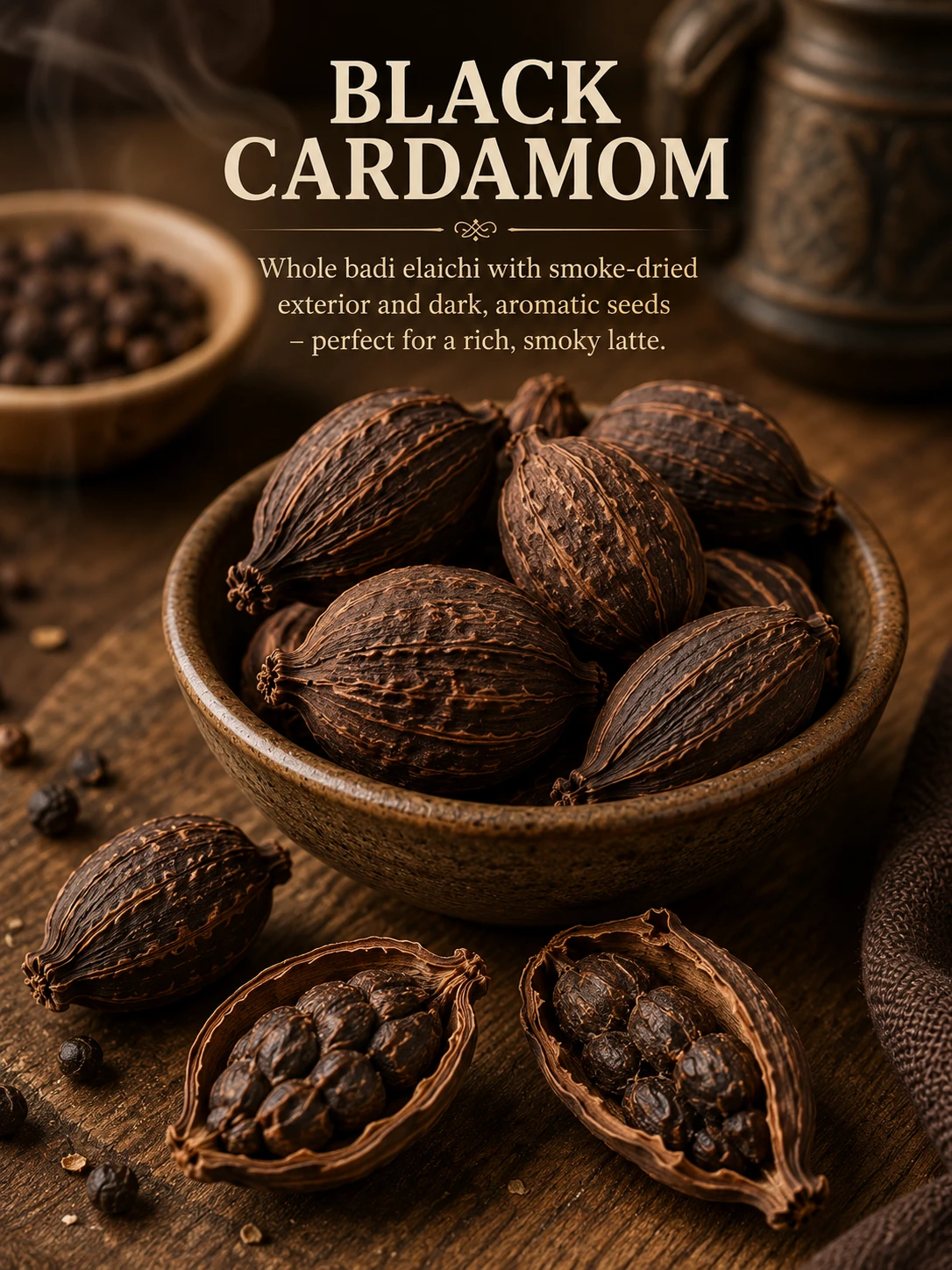
Black cardamom (badi elaichi) is a completely different species. Smoke-dried over open fires in the Himalayan foothills, its essential oils carry a deep camphor-smoke note, a slight menthol warmth, and an earthy, resinous finish. It is traditionally a savoury spice — used in biryani, garam masala, and slow-cooked meats.
In a latte, black cardamom’s smoke acts as a counterpoint to espresso’s bitterness rather than sweetening it. Where green cardamom brightens a latte, black cardamom deepens it — adding the complexity of a smoked spice to the roasted character of coffee.
The key to making this work in a drink — rather than a savoury dish — is using it as a syrup. The infusion process draws out the aromatic oils without the medicinal harshness of the raw pod or ground seeds, giving a clean, controlled smoke that works beautifully in espresso-based drinks.
☕ Regular Cardamom Latte
Uses green cardamom (Elettaria cardamomum). Sweet, floral, citrusy — adds brightness and gentle warmth. Found in most cafes and Starbucks seasonal menus. Common in Middle Eastern and South Asian coffee traditions.
SweetFloralCitrusyDelicate🖤 Black Cardamom Latte
Uses black cardamom (Amomum subulatum). Smoky, earthy, camphor-warm — adds depth and complexity. Blue Bottle Coffee’s seasonal cult favourite. A warming spiced latte for espresso lovers who want something beyond sweetness.
SmokyEarthyCamphor-warmBoldIngredients
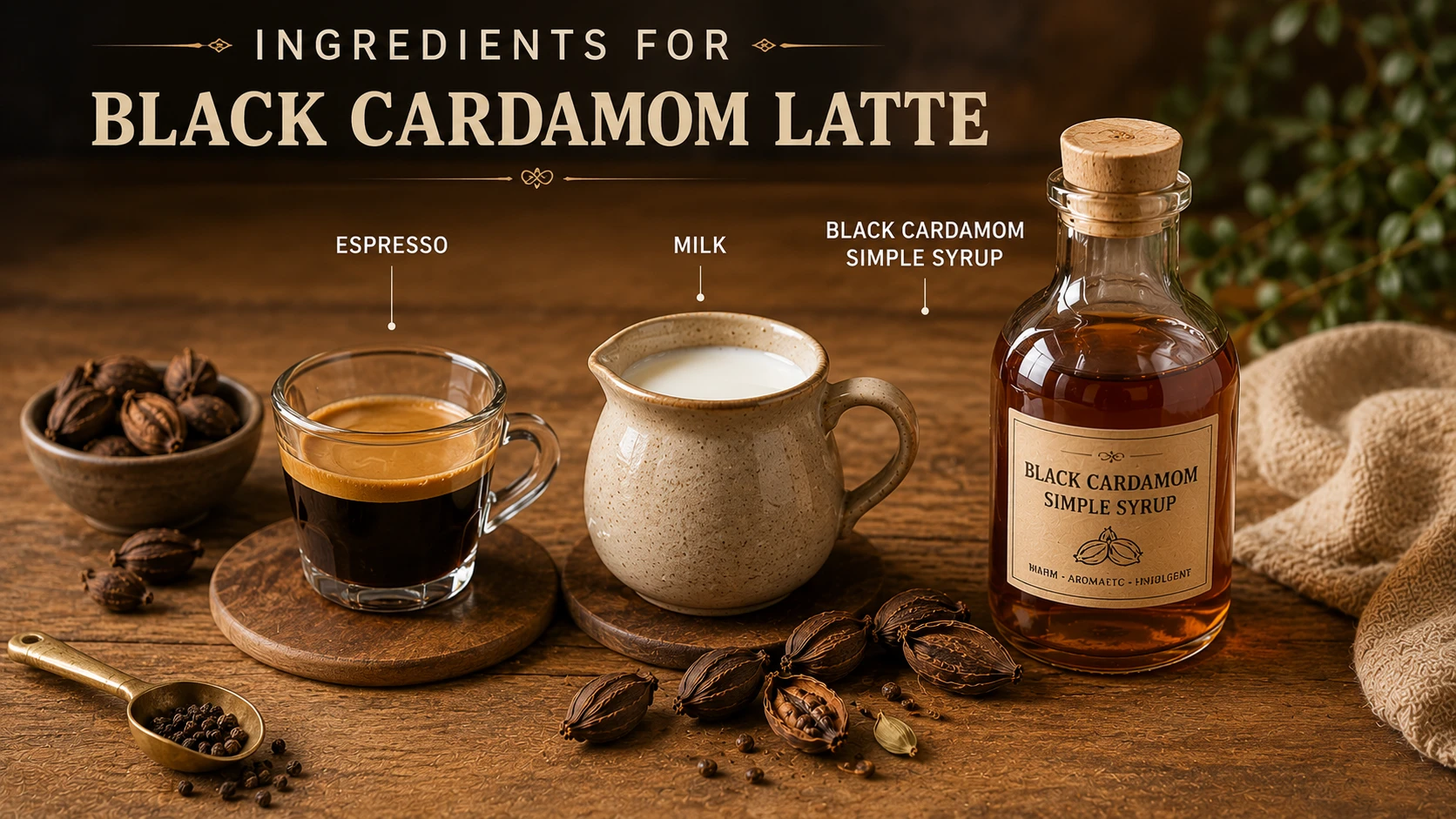
Three ingredients: espresso (or strong coffee), your preferred milk, and black cardamom simple syrup — the flavour base for this smoky latte.
| Ingredient | Amount | Notes |
|---|---|---|
| Black cardamom simple syrup | 1–2 tsp | The essential base — makes this a clean, smooth Himalayan spice latte. Make it in 15 min, keeps 4 weeks refrigerated. Recipe linked above. |
| Espresso | 2 shots (60ml) | Or 80ml very strong brewed coffee from a moka pot, AeroPress, or French press. Dark roast recommended — its bitter, roasted character pairs best with the smoky cardamom. |
| Milk | 150ml | Whole milk for creamiest result. Oat milk for best dairy-free option. Full comparison below. |
| Ground black cardamom seeds (garnish) | Tiny pinch | Optional. Seeds only — not the pod shell. Grind a few seeds in a spice grinder or mortar. A very small amount is enough — the seeds are potent. |
Recipe — Step by Step
🔥 Hot Black Cardamom Latte
Classic warming spiced latte — smoky, earthy, ready in 10 minutes.
Ingredients
- 2 shots espresso (60ml)
- 1–2 tsp black cardamom simple syrup
- 150ml whole milk or oat milk
- Pinch ground cardamom seeds (optional garnish)
Method
- Warm your mug with hot water, pour it out just before use
- Brew 2 shots of espresso into the mug
- Add 1 tsp black cardamom syrup, stir to combine
- Taste — add a second tsp for more smoke intensity
- Heat milk to 60–65°C — steaming but not boiling
- Froth with a handheld frother 20–30 sec until creamy foam forms
- Pour milk over espresso holding back foam, then spoon foam on top
- Dust a tiny pinch of ground cardamom seed on foam if desired
🧊 Iced Black Cardamom Latte
Cold, smoky, and refreshing. Blue Bottle style — the drink that made this spiced coffee famous.
Ingredients
- 2 shots espresso, cooled (60ml)
- 1–2 tsp black cardamom simple syrup
- 150ml cold oat milk or whole milk
- 4–5 large ice cubes
- Pinch ground cardamom seed (optional)
Method
- Brew espresso and allow to cool 5 min (or use room-temp cold brew concentrate)
- In a tall glass, add 1–2 tsp black cardamom syrup
- Pour cooled espresso over syrup and stir to combine
- Fill glass with large ice cubes — they melt slower and dilute less
- Pour cold milk slowly over ice for a layered effect
- Gentle stir — do not over-mix to maintain the visual layers
- Optional: dust tiny pinch of ground black cardamom seeds on top
☕ No Espresso Machine
No machine needed. Any strong coffee method produces an excellent black cardamom spiced latte.
Coffee Options (Strong)
- Moka pot — closest to espresso, best result
- AeroPress — excellent concentrate with pressure
- French press — double coffee, 6 min steep
- Instant espresso powder — 2 tsp in 60ml hot water
- Cold brew concentrate — best for iced version
Method
- Brew 60–80ml strong coffee using any method above
- Add 1–2 tsp black cardamom syrup to your mug
- Pour hot coffee over syrup and stir well to combine
- Heat milk in small saucepan until steaming — do not boil
- Froth using a handheld frother for 20–30 sec — or shake in a sealed jar
- Pour over coffee, spoon foam on top, garnish and serve
Step-by-Step Photos
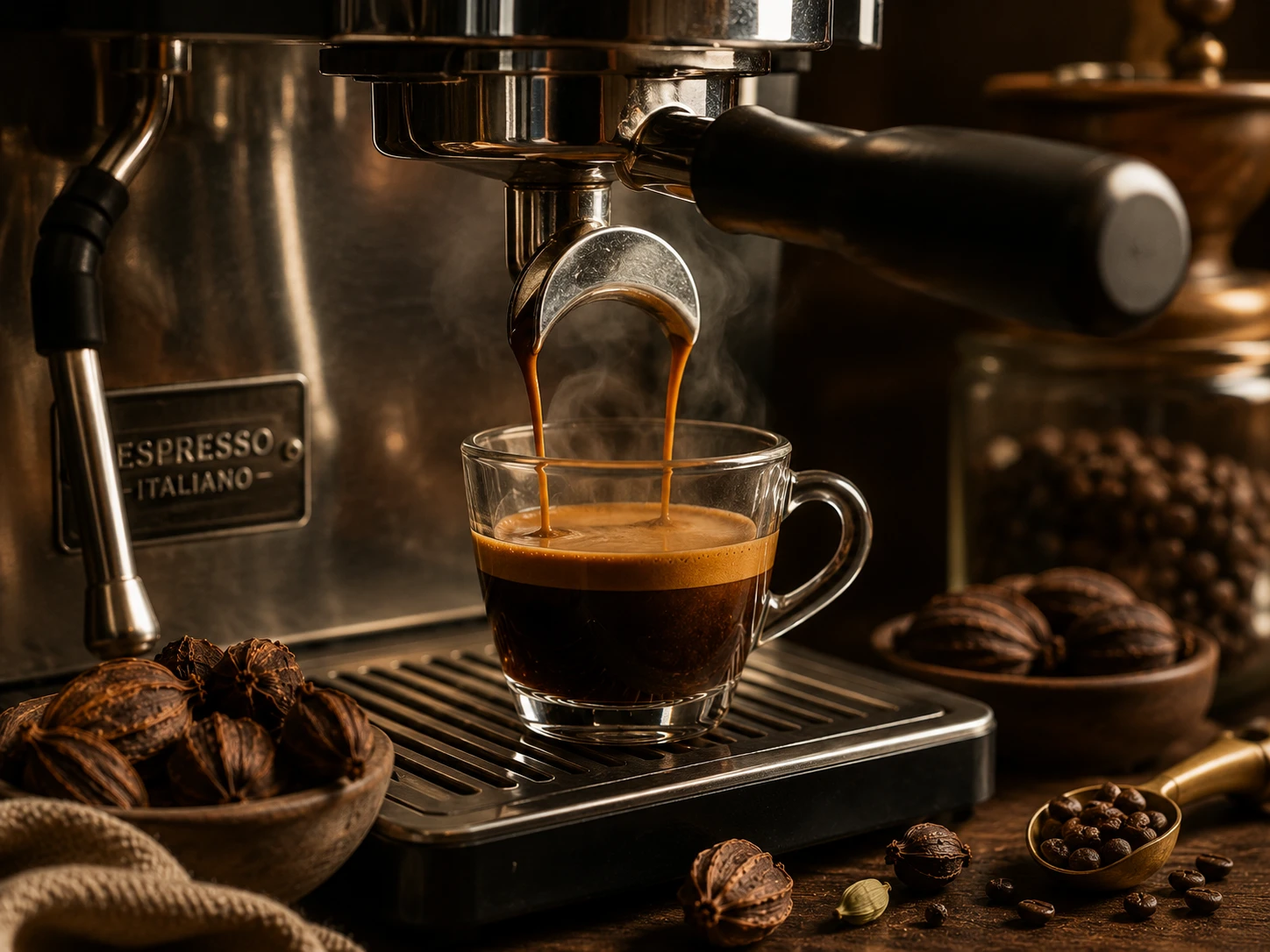
Step 1 — Brew espresso or strong coffee
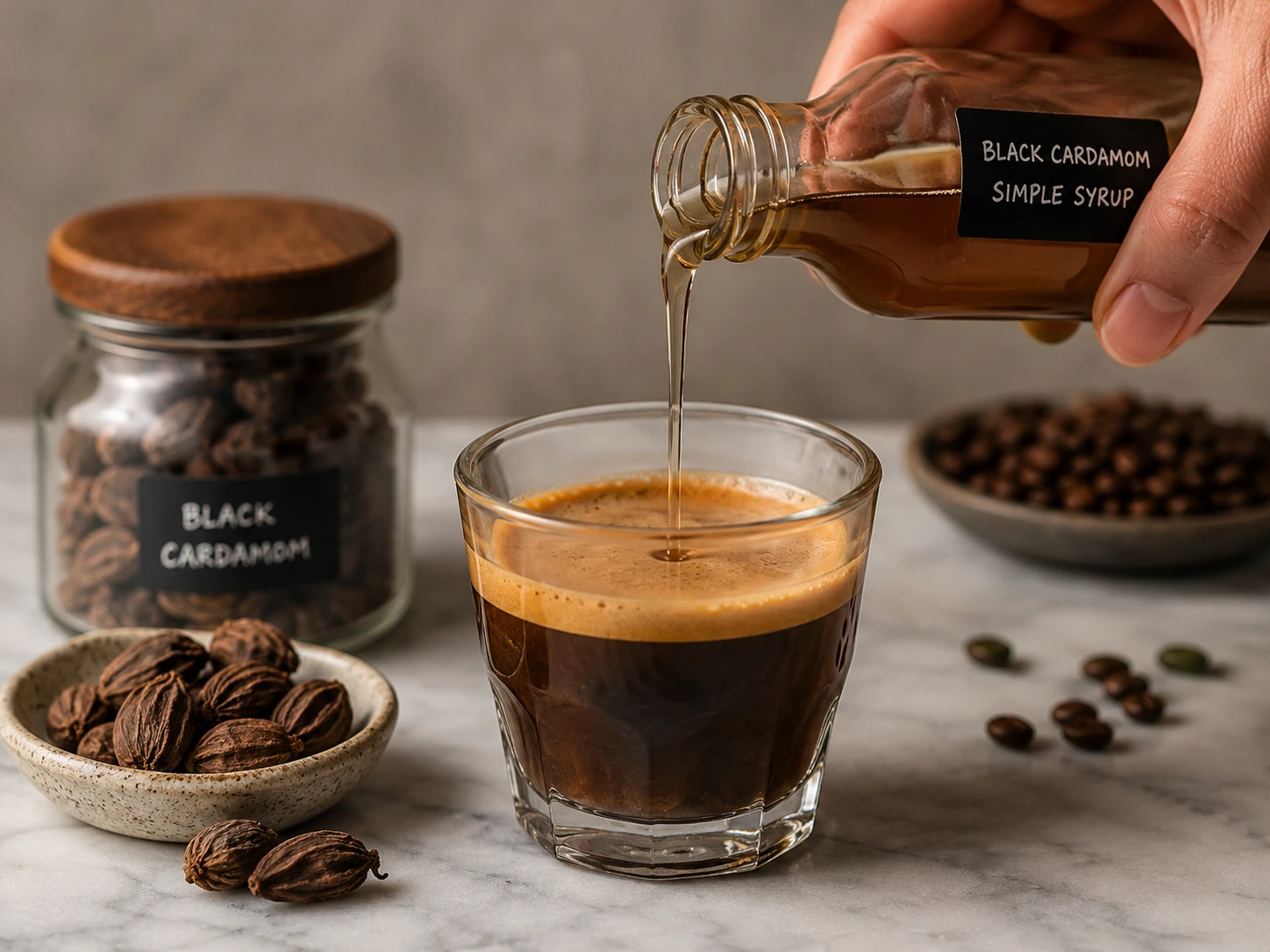
Step 2 — Add black cardamom syrup and stir
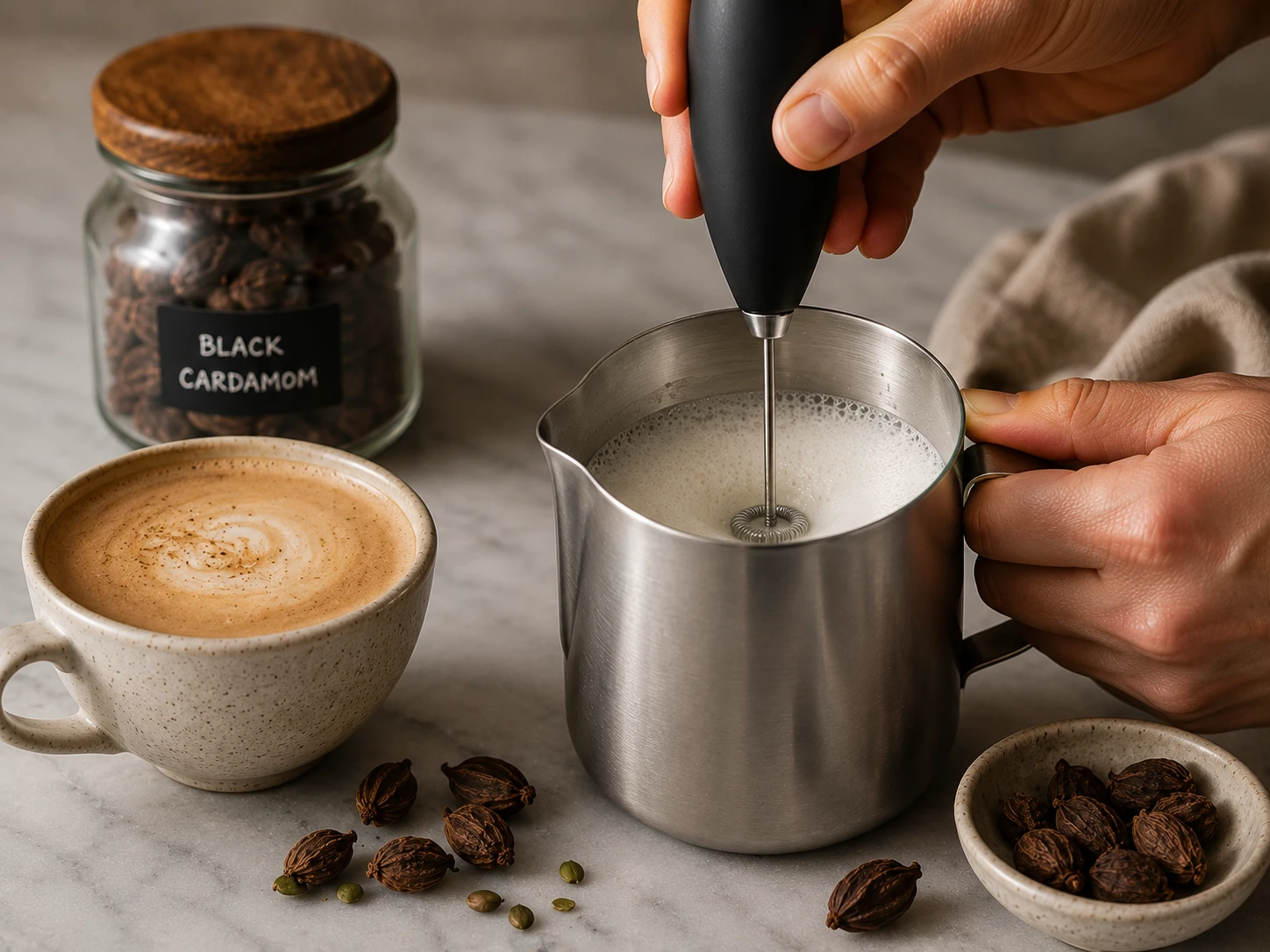
Step 3 — Froth milk to 60–65°C
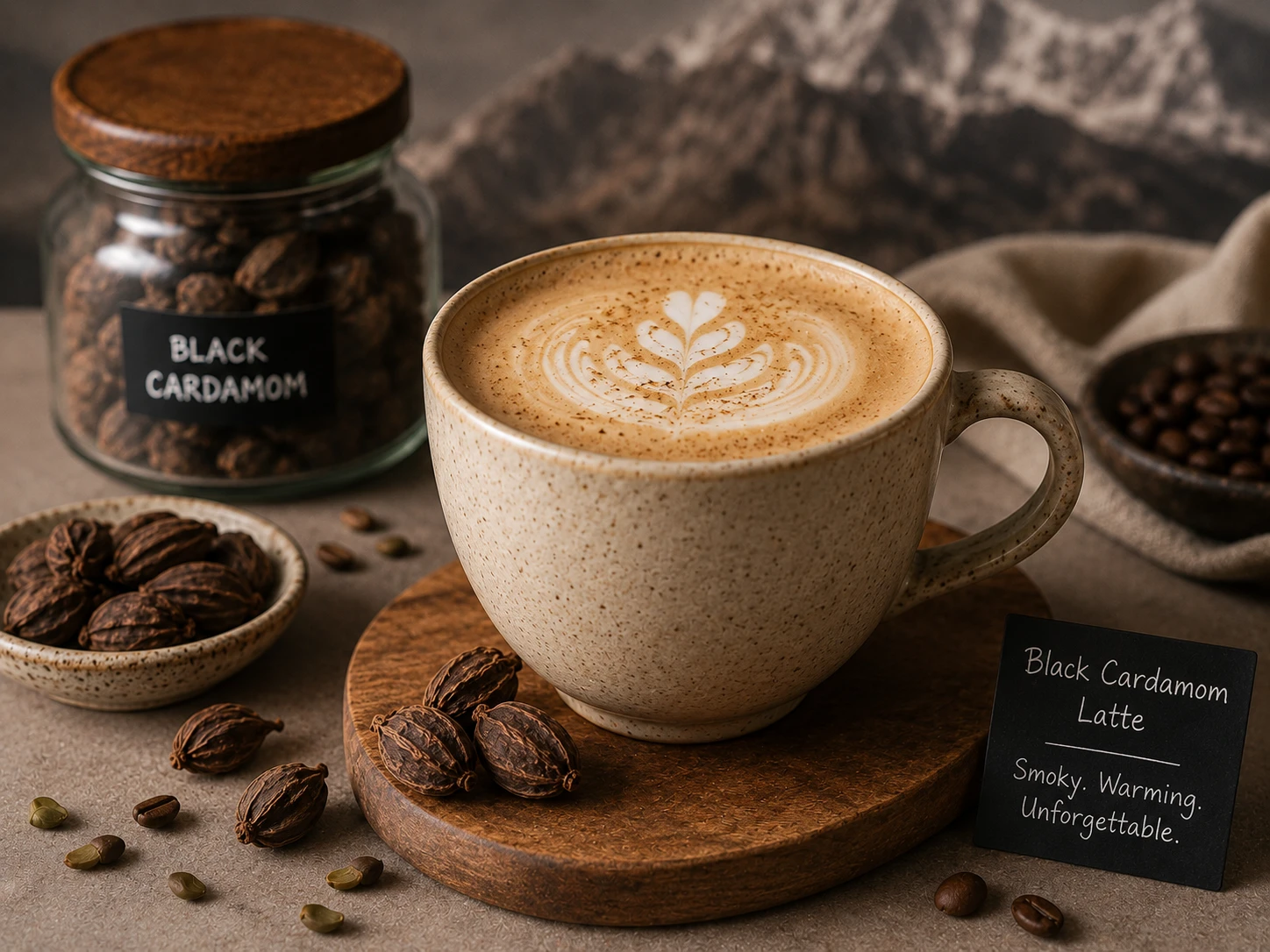
Step 4 — Pour, garnish and serve
🧮 Black Cardamom Latte Calculator
Every black cardamom batch and milk type changes the final drink. Use this calculator to dial in your exact ratios before you brew — it estimates calories, caffeine, and smoke intensity based on your preferences.
🖤 Personalise Your Black Cardamom Latte
Adjust your ingredients — results update instantly.
Your Estimated Latte
Gentle — cardamom whisper behind the espresso
Based on standard recipe values. Actual values vary by brand and preparation.
Which Milk Works Best — 6 Options Compared
Black cardamom’s smoky character is assertive but not sweet. The milk you choose either complements the smoke or competes with it. These are tested results across all six common milk options:
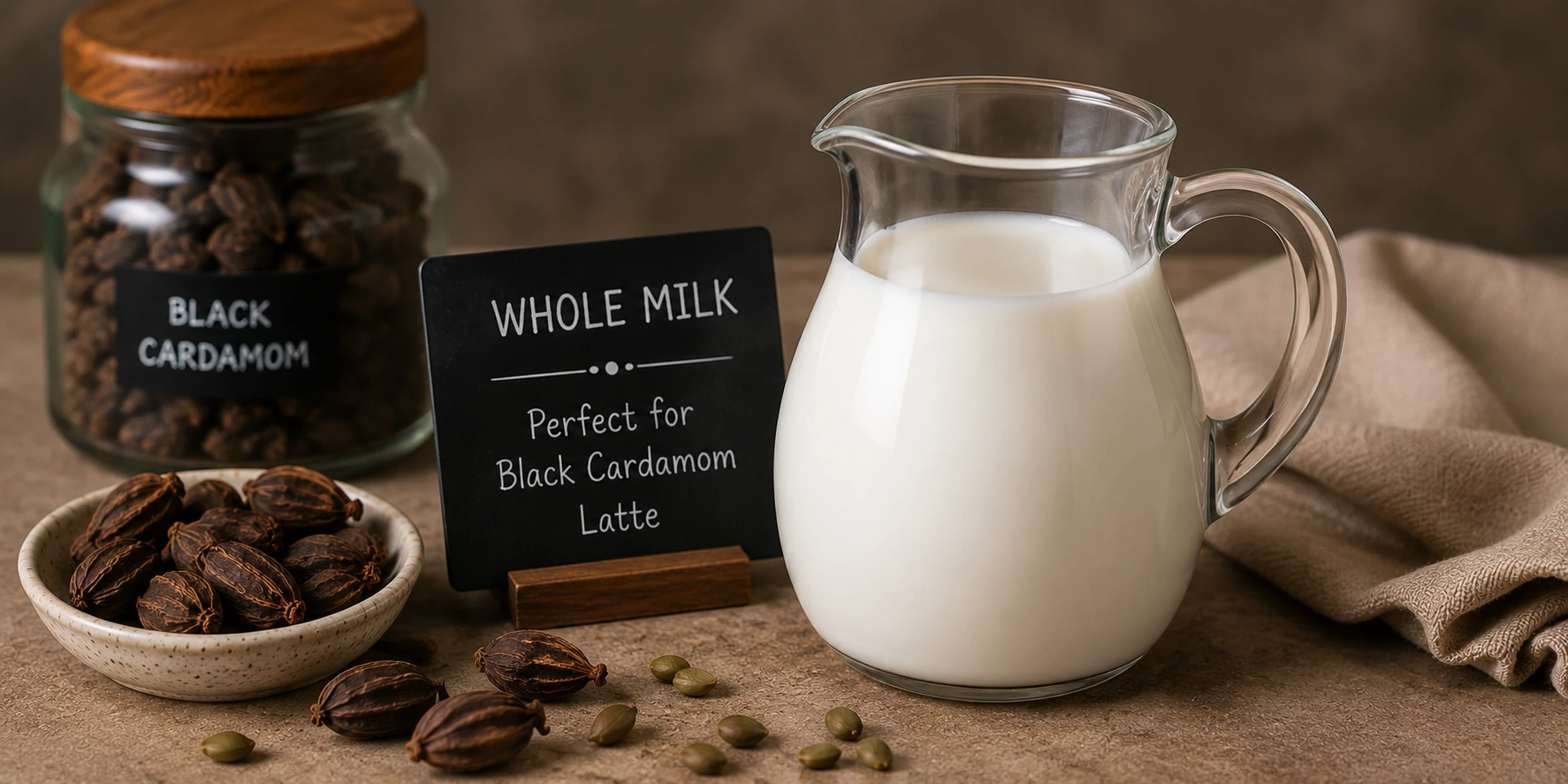
🥛 Whole Milk
Creamiest texture. Best foam quality. Neutral base lets cardamom’s smoky notes come through clearly without competition.
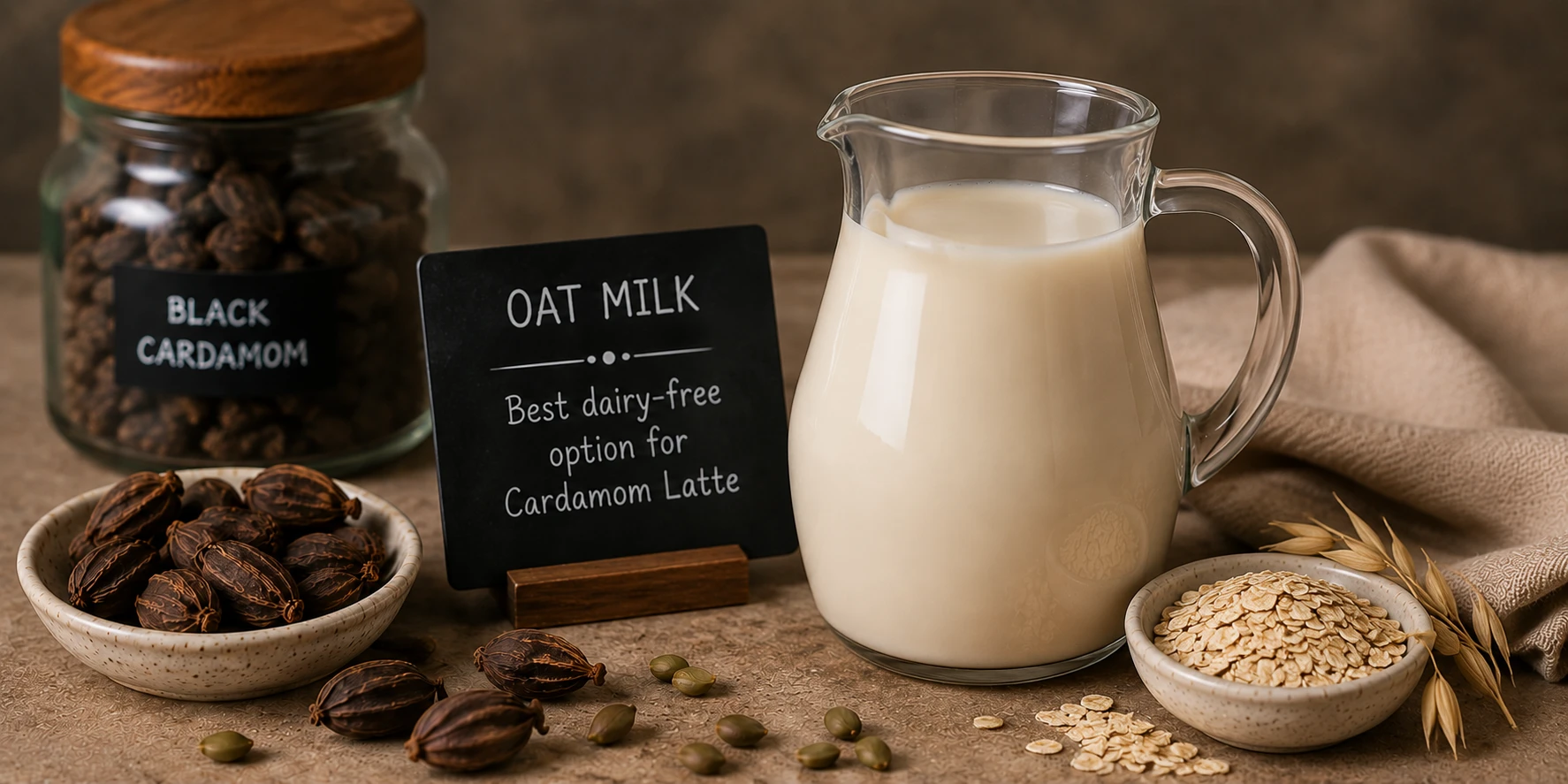
🌾 Oat Milk
Natural mild sweetness complements smokiness well. Reliable foam. Lower calories than whole milk. Best plant-based choice for this recipe.
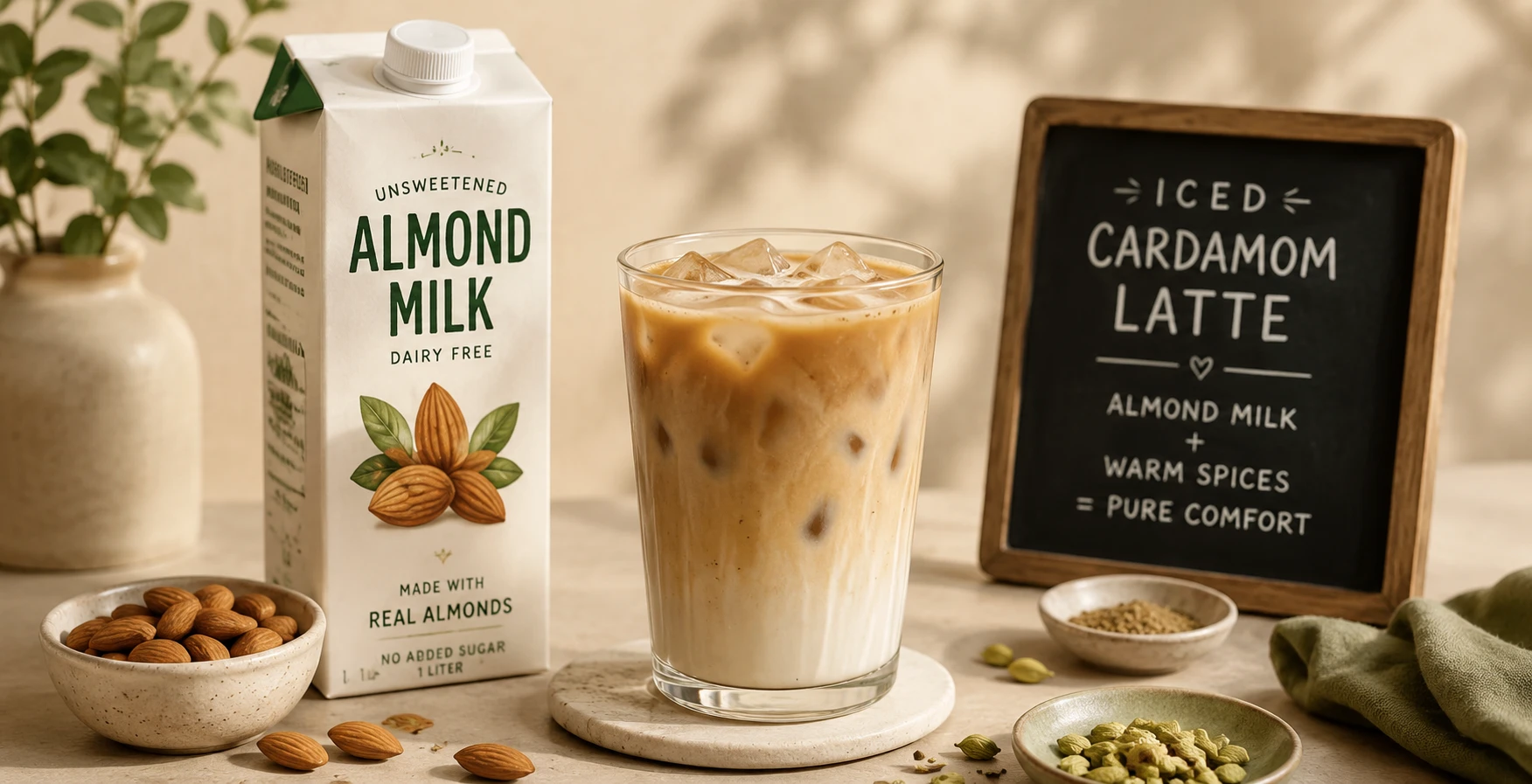
🌰 Almond Milk
Light and slightly nutty. Thinner foam — fine for iced lattes, less satisfying hot. Works best if you want a lower-calorie, dairy-free iced drink.
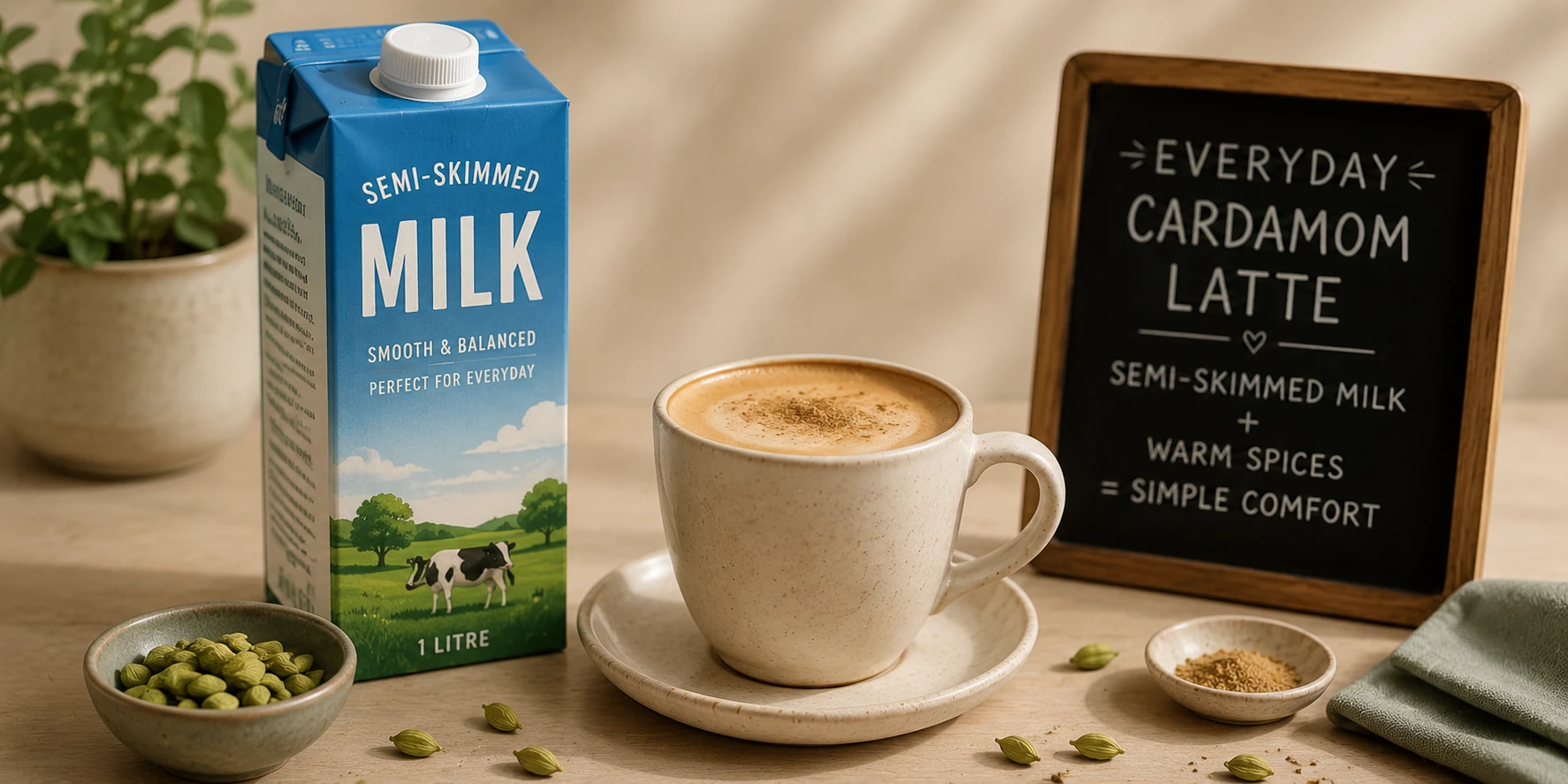
🐄 Semi-Skimmed
Good everyday option. Less creamy foam than whole milk but perfectly acceptable. Lower in calories. Reliable and widely available.
🫘 Soy Milk
Neutral flavour and decent foam when using barista-grade soy. An acceptable dairy-free substitute if oat milk is not available.
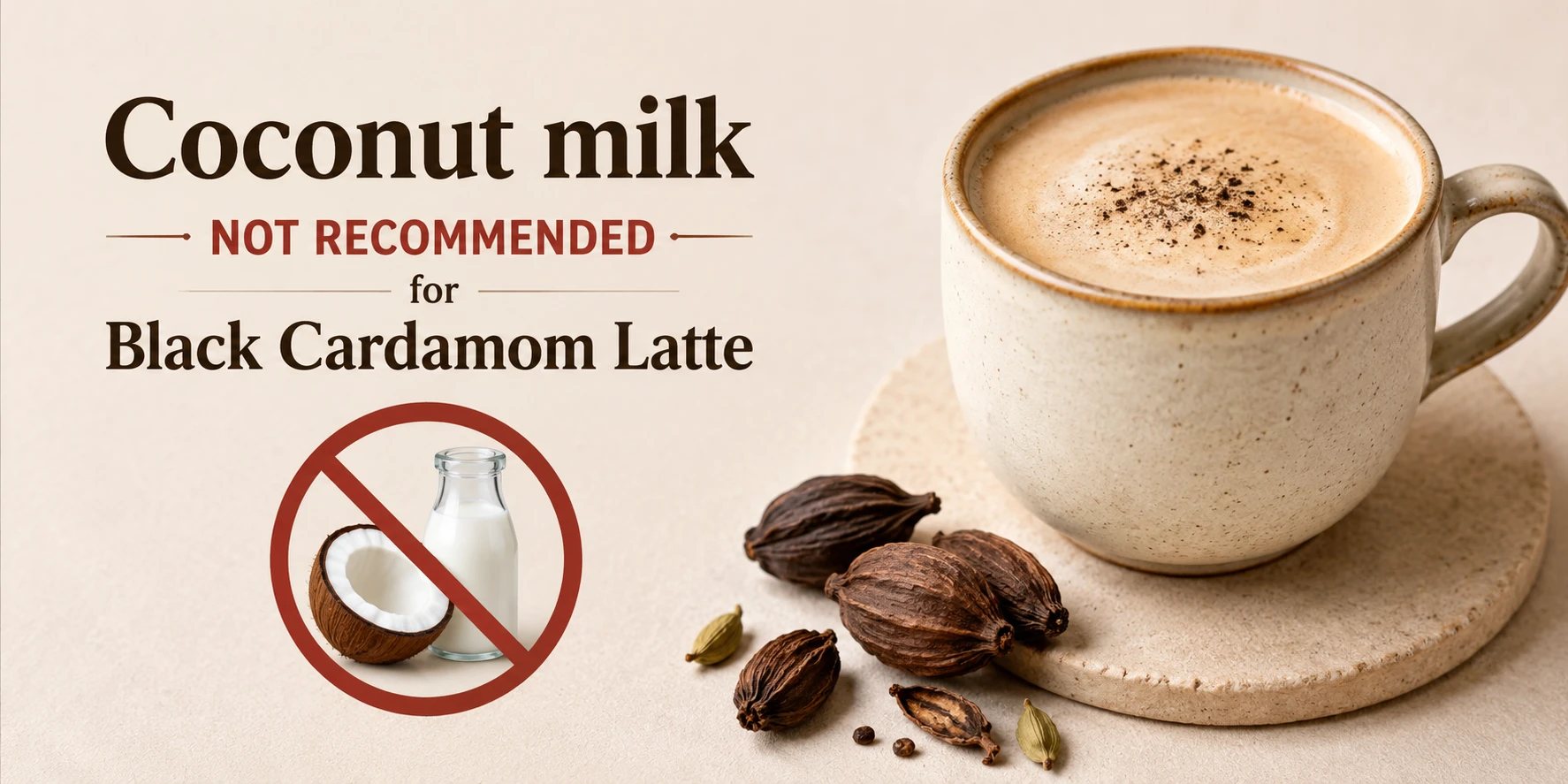
🥥 Coconut Milk
Strong coconut flavour actively competes with black cardamom’s smoke. Only use intentionally if you want a coconut-cardamom flavour combination.
Variations & Flavour Combinations
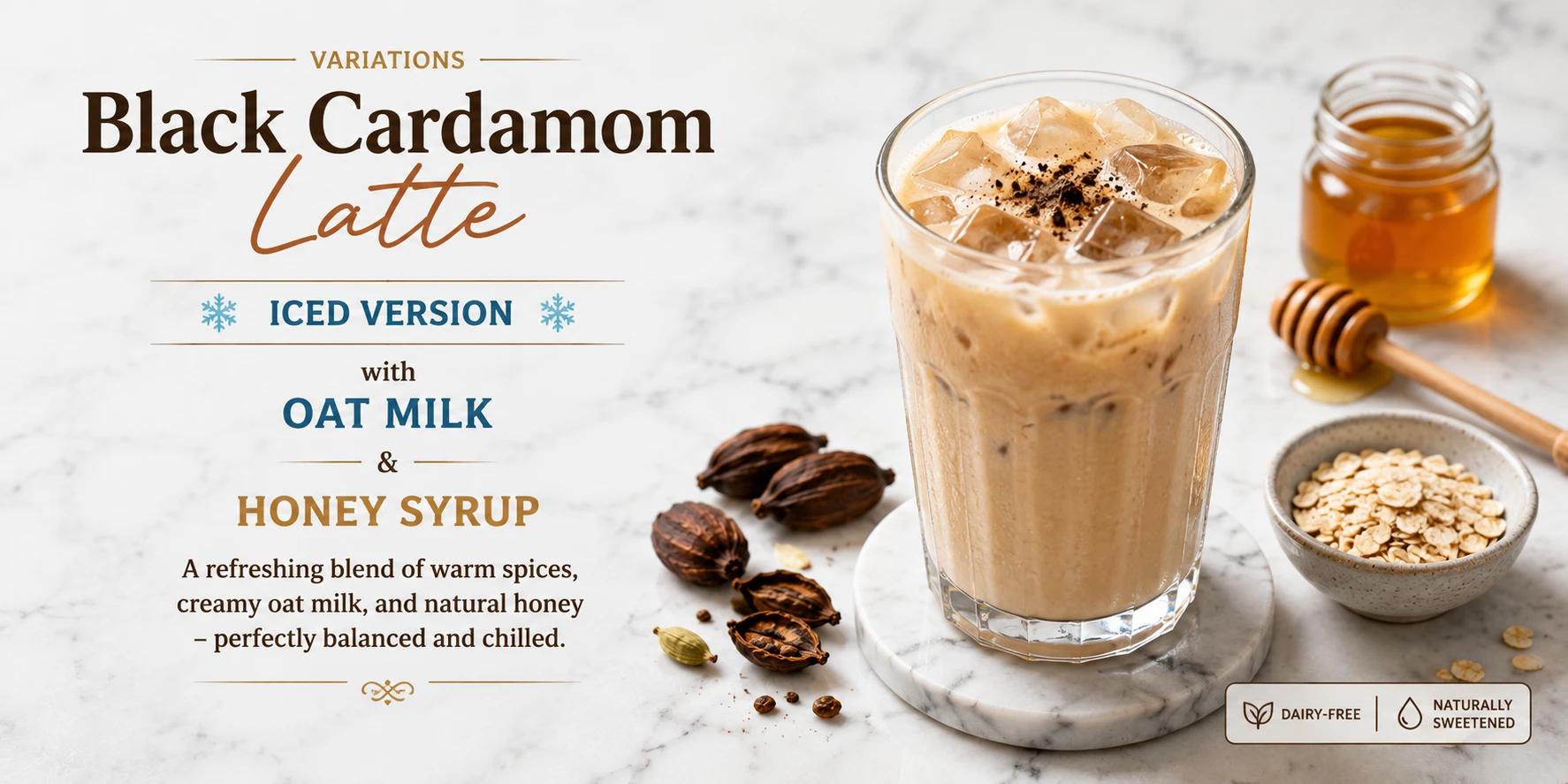
| Variation | How to Make It | Best For |
|---|---|---|
| Honey Cardamom Latte | Use black cardamom honey syrup instead of simple syrup. Richer, warmer, slightly floral. | Winter, bourbon pairing |
| Rose Cardamom Latte | Use black cardamom rose syrup + 1 drop rose water. Smoke meets floral. | Afternoon treat, gifting |
| Spiced Cardamom Latte | Add a small pinch of ground cinnamon and black pepper alongside the syrup. More chai-like complexity. | Cold weather, chai lovers |
| Black Cardamom Cold Brew Latte | Replace espresso with cold brew concentrate. Mix with syrup and pour over ice with oat milk. | Summer, sustained caffeine |
| Cardamom Macchiato | Reduce milk to just a small foam dollop. More espresso-forward, smoke is more intense. | Coffee-first drinkers |
| Decaf Cardamom Latte | Use decaf espresso — flavour profile is identical, zero caffeine from the coffee. | Evening drink, caffeine-sensitive |
| Black Cardamom Chai Latte | Replace espresso with strong brewed black tea. Add black cardamom syrup and frothed milk. Caffeine-free, chai-like. | Non-coffee drinkers |
Equipment — What You Actually Need
| Item | Essential? | Alternative |
|---|---|---|
| Espresso machine | ❌ No | Moka pot, AeroPress, French press, instant espresso powder |
| Handheld milk frother | ✅ Recommended | Shake warm milk in sealed jar — works well enough for hot latte |
| Steam wand | ❌ No | Handheld frother + small saucepan gives identical result |
| Thermometer | ❌ No | Heat until steam rises visibly — that is approximately 60–65°C |
| Large ice cube mould | ❌ No (but recommended for iced) | Regular ice cubes work — just melt faster and dilute more |
| Clear glass | ❌ No | Any mug works — clear glass just shows the layered iced version better |
Frequently Asked Questions
What does a black cardamom latte taste like?
Smoky, earthy, and deeply warming — completely unlike a regular green cardamom latte. The closest comparison is a quality espresso with a campfire-smoke character and a warm, resinous, slightly menthol finish. In syrup form it is bold but not medicinal. The smokiness comes from black cardamom’s traditional fire-drying process in the Himalayan foothills of Nepal — the same process that makes badi elaichi essential in biryani and garam masala.
What is the difference between a black cardamom latte and a regular cardamom latte?
A regular cardamom latte uses green cardamom (Elettaria cardamomum) — small, sweet, floral pods with citrus notes, common in Middle Eastern and South Asian coffee traditions. A black cardamom latte uses Amomum subulatum — larger, smoke-dried pods with an earthy, camphor-like, smoky character. They are entirely different plant species. Green cardamom adds brightness and sweetness to a latte; black cardamom adds smoke and depth. They are not interchangeable.
Is this the same as Blue Bottle Coffee’s black cardamom latte?
Blue Bottle Coffee offered a seasonal Black Cardamom Latte made using a proprietary infused syrup. This recipe replicates that drink at home using homemade black cardamom simple syrup — the same method: syrup plus espresso plus steamed milk. The flavour profile will be very similar. Exact variation depends on the origin and quality of your black cardamom pods. Nepalese black cardamom (Amomum subulatum) is most common and gives the closest result.
Can I use ground black cardamom powder directly in the latte?
Technically yes, but it creates a gritty texture and the camphor intensity is very difficult to control — a fraction too much and the drink turns medicinal. Black cardamom powder does not dissolve in liquid. Using the black cardamom simple syrup gives a smooth, clean drink with precisely repeatable flavour every time. This is why specialty cafes use infused syrup rather than ground spice in espresso drinks.
How many calories are in a black cardamom latte?
Approximately 110–150 calories for a standard single-serve latte (2 espresso shots, 150ml whole milk, 1 tsp simple syrup). With oat milk: approximately 90–120 calories. With almond milk: approximately 70–100 calories. The black cardamom syrup contributes roughly 20–25 calories per teaspoon. Espresso itself has approximately 5 calories per double shot. Total figures vary based on milk type, quantity, and exact syrup recipe.
How much caffeine is in a black cardamom latte?
The caffeine comes entirely from the espresso — black cardamom contains no caffeine. Two shots of espresso contain approximately 120–140mg of caffeine, standard for a double-shot latte. Black cardamom syrup does not affect caffeine content. For a caffeine-free version, use decaf espresso or replace espresso with strong brewed black tea (which contains approximately 40–70mg of caffeine per cup).
What milk is best for a black cardamom latte?
Whole milk produces the creamiest texture and best foam, with a neutral base that allows black cardamom’s smoky notes to come through clearly. Oat milk is the best dairy-free alternative — its natural mild sweetness complements black cardamom’s smokiness and it froths reliably using a handheld frother. Almond milk works for iced versions but produces thinner foam for hot lattes. Avoid coconut milk — its strong flavour actively competes with the cardamom smoke.
Can I make a black cardamom latte without an espresso machine?
Yes — several methods work well. A moka pot produces the closest result to espresso. An AeroPress with a short brew time and fine grind makes an excellent concentrate. A French press with double the usual coffee and a 6-minute steep produces strong enough coffee for this recipe. Instant espresso powder (2 tsp in 60ml hot water) also works. A handheld milk frother (approximately £6–10) is the only additional tool that meaningfully improves the result.
Is a black cardamom latte good for you?
Black cardamom contains aromatic compounds including cineole and camphor, has been used in Ayurvedic medicine as a digestive aid, and shows antioxidant properties in laboratory studies — though robust clinical evidence for specific health benefits is limited. In a latte, the amount of black cardamom consumed via 1–2 tsp of syrup is small. The drink itself is lower in calories than most flavoured cafe lattes. Dr. Michael Bennett notes that as with all caffeinated beverages, moderate consumption — typically 1–3 cups daily — is advisable for most healthy adults.
How do I make a black cardamom latte stronger or smokier?
Several ways to increase smoke intensity: (1) Use 2 tsp of syrup instead of 1. (2) Make the smoky black cardamom syrup variation — more pods, longer simmer, more concentrated smoke. (3) Use a ristretto pull (shorter, more concentrated espresso) — more coffee intensity makes the cardamom pairing more pronounced. (4) Add a tiny pinch of freshly ground black cardamom seeds to the finished drink as a garnish — the freshly ground seeds add a direct aromatic hit on top of the syrup’s base. Adjust one variable at a time.
Can I make a black cardamom latte in advance?
The syrup keeps refrigerated for 3–4 weeks — make one batch and your latte takes under 3 minutes each morning. The finished latte does not keep well: milk separates, foam collapses, and espresso oxidises. For iced lattes, you can pre-mix the espresso and syrup and refrigerate overnight, then add ice and cold milk when ready to drink — this works well for meal prep mornings.
Is a black cardamom latte vegan?
The espresso and black cardamom simple syrup are both fully vegan — sugar, water, and black cardamom pods contain no animal products. To make the complete latte vegan, substitute dairy milk with oat milk, almond milk, or barista-grade soy milk. Oat milk is recommended for best flavour pairing and froth quality with this specific recipe. The garnish (ground black cardamom seeds) is also vegan.
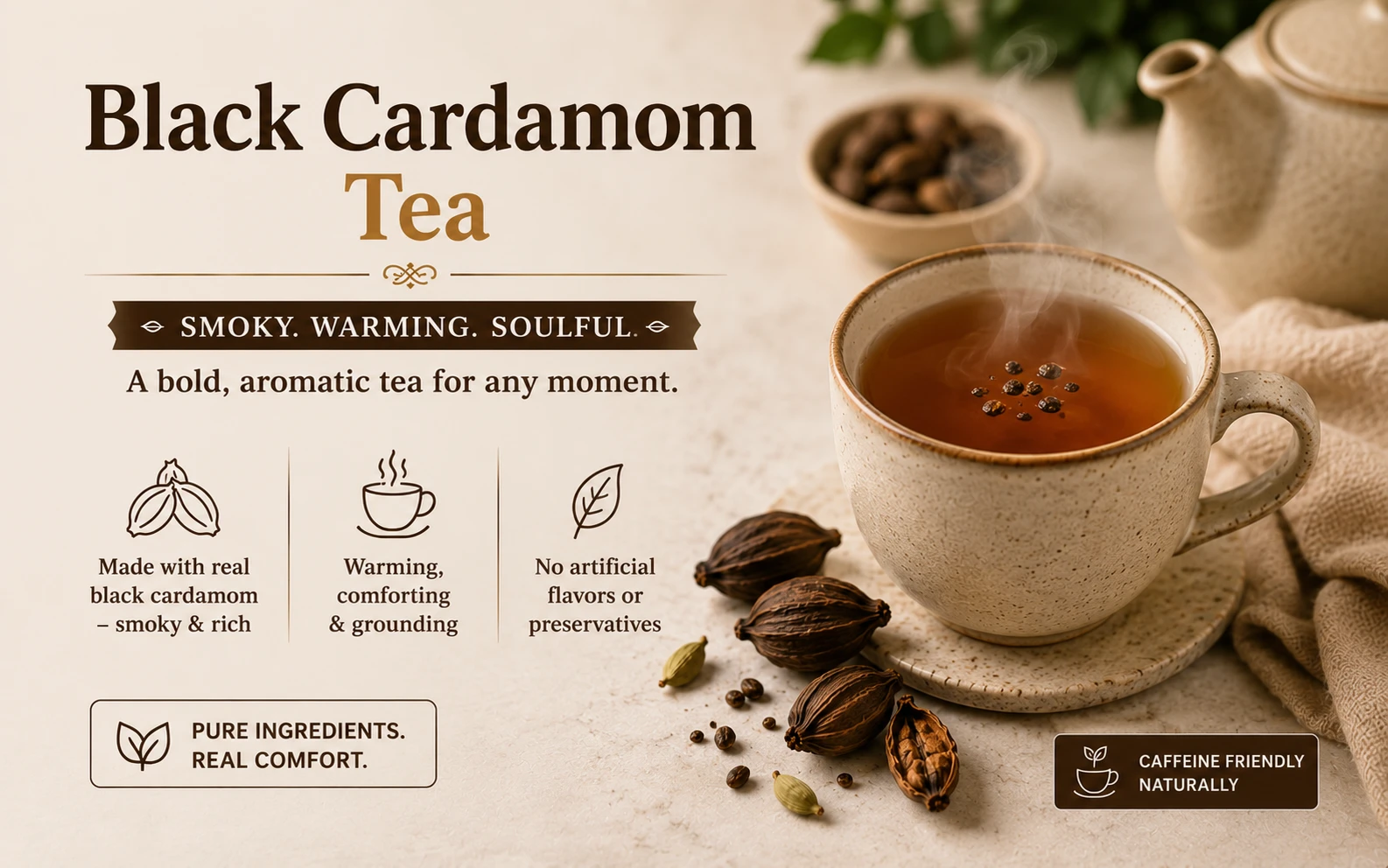
More Black Cardamom Drink Recipes
Continue Exploring
| Page | What You’ll Find |
|---|---|
| Black Cardamom Recipes Hub | All black cardamom recipes — syrups, cocktails, drinks, savory dishes |
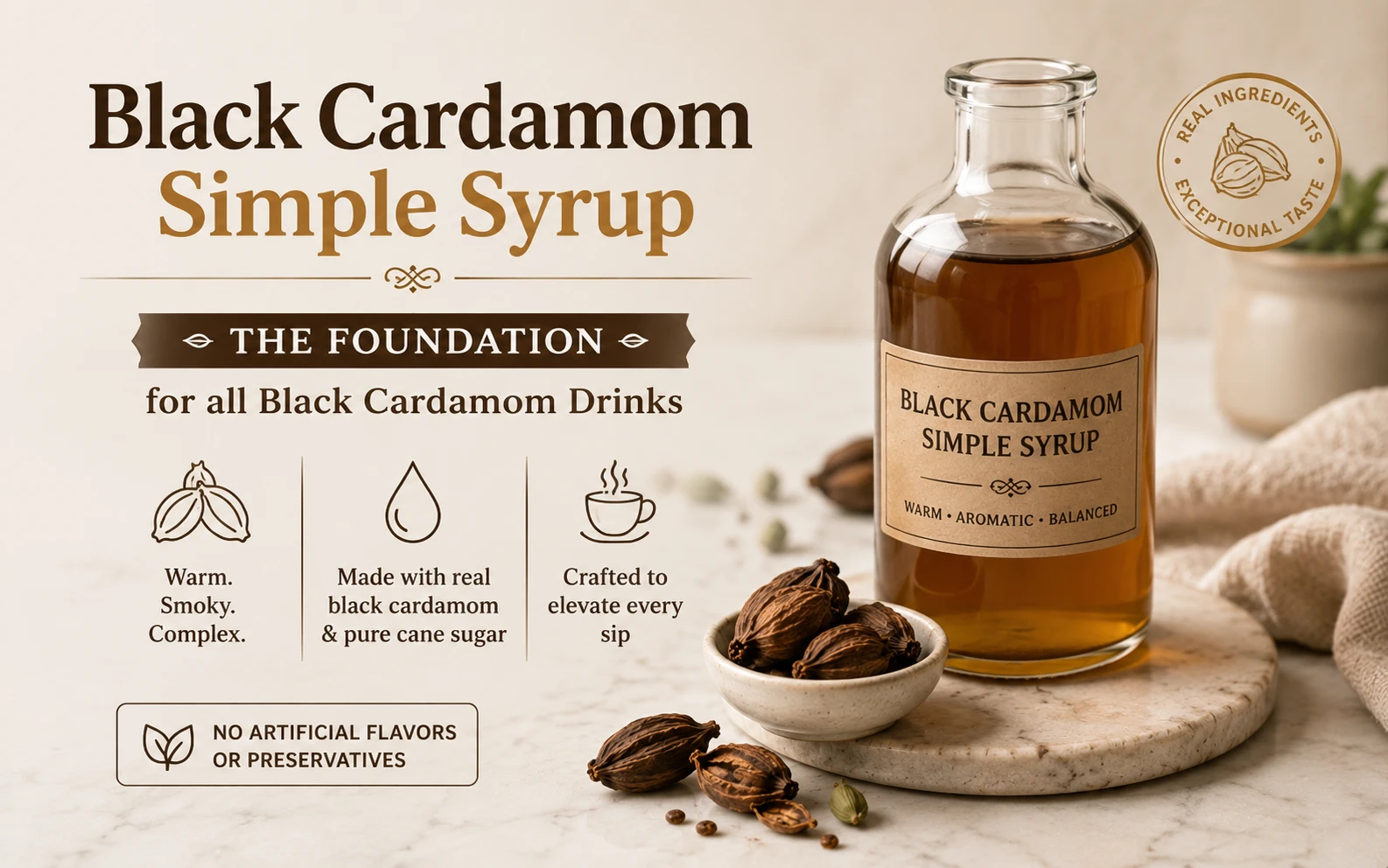
| Black Cardamom Simple Syrup | The foundation recipe — make this before anything else |
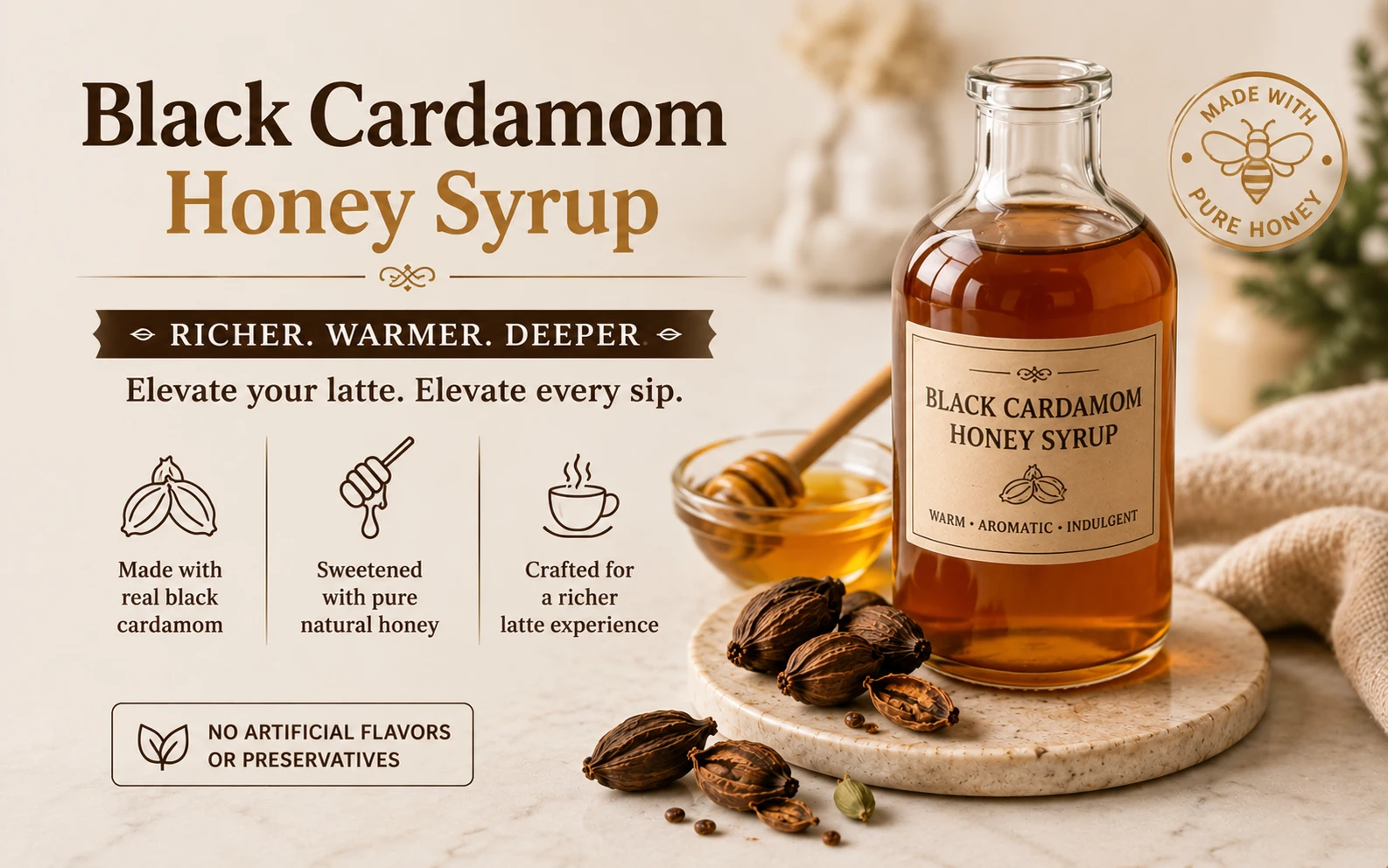
| Black Cardamom Honey Syrup | Richer variation — excellent in this latte and bourbon cocktails |
| Black Cardamom Rose Syrup | Smoke + floral — for the rose cardamom latte variation |
| What Is Black Cardamom? | Full spice guide — flavour, uses, buying, health benefits |
| Green vs Black Cardamom | Complete comparison of both spice varieties |
WRITTEN BY
Emily Rhodes — Culinary & Spice WriterEmily writes about spices, herbal teas, and plant-based ingredients. She specialises in spice history, cultural uses, and recipe development using underused spices from around the world. View full profile →
REVIEWED BY
Dr. Michael BennettContent reviewed for nutritional accuracy and health claims. View profile →