Gluten-Free Cardamom Banana Bread
Moist, Fragrant & Just Like the Original
A 1:1 gluten-free flour blend and a short batter rest are the only changes here — the brown butter cardamom bloom that makes this loaf fragrant stays exactly the same as the classic recipe.


Gluten-free cardamom banana bread swaps the all-purpose flour for a 1:1 gluten-free baking blend (containing xanthan gum) — everything else, including the brown butter cardamom bloom, stays identical to the classic recipe. The one extra step: rest the batter for 10 minutes before baking so the gluten-free starches hydrate properly. Bake at 175°C / 350°F for 60–70 minutes, a touch longer than the wheat version.
How to Make Gluten-Free Cardamom Banana Bread
This variation takes 85 minutes total: bloom ground cardamom in brown butter, mix with mashed overripe bananas, fold in the gluten-free flour, rest the batter, then bake until golden.
- Brown the butter: cook until golden and nutty, then bloom the cardamom off-heat.
- Mix wet: whisk in bananas, sugar, eggs, vanilla, and yogurt.
- Fold in GF flour: whisk the blend with the leaveners first, then fold in gently.
- Rest: let the batter sit 10 minutes so the starches hydrate.
- Bake: 60–70 minutes at 175°C / 350°F until a toothpick comes out with moist crumbs.
- Cool & slice: rest 15 minutes in the pan, then 20 more on a rack.
Common Gluten-Free Cardamom Banana Bread Mistakes to Avoid
Swapping in a gluten-free flour blend introduces a few new failure points on top of the classic recipe’s usual ones. Here’s what to watch for.
| Mistake | Why It Happens | The Fix |
|---|---|---|
| Baking the batter right away | Gluten-free starches absorb liquid slowly compared to wheat flour | ✓ Rest the batter 10 minutes before it goes in the oven |
| Using a GF blend without xanthan gum | Without it, there’s nothing to replace gluten’s binding role | ✓ Check the label, or add ½ tsp xanthan gum separately |
| Measuring the flour by volume, not weight | GF blends vary a lot in density between brands | ✓ Weigh it to 220g on a kitchen scale |
| Adding cardamom to the flour instead of the butter | Its aromatic oils are fat-soluble, so they barely release into a dry mix | ✓ Bloom it in hot brown butter first |
| Slicing the loaf while still warm | GF crumb sets through starch gelatinization as it cools, not gluten | ✓ Wait the full 35 minutes of cooling time |
Why a 1:1 Flour Swap Is (Almost) All It Takes
Cardamom’s aroma comes from blooming it in hot brown butter, not from anything in the flour — so swapping to a gluten-free blend doesn’t touch the step that makes this loaf fragrant. What the flour swap does change is structure: without gluten to trap air and hold moisture, a 1:1 gluten-free blend leans on xanthan gum and a short resting period to do that job instead.

Use a 1:1 Gluten-Free Baking Blend
Blends built for cup-for-cup substitution give the closest texture to the wheat-flour version — not a single-grain flour like almond or oat.

Xanthan Gum Replaces Gluten’s Job
Without gluten to bind the crumb, xanthan gum holds the structure together. Most 1:1 blends already include it — check the label.

Rest the Batter Before Baking
Ten minutes is enough for the starches to fully hydrate, noticeably reducing grittiness in the finished loaf.
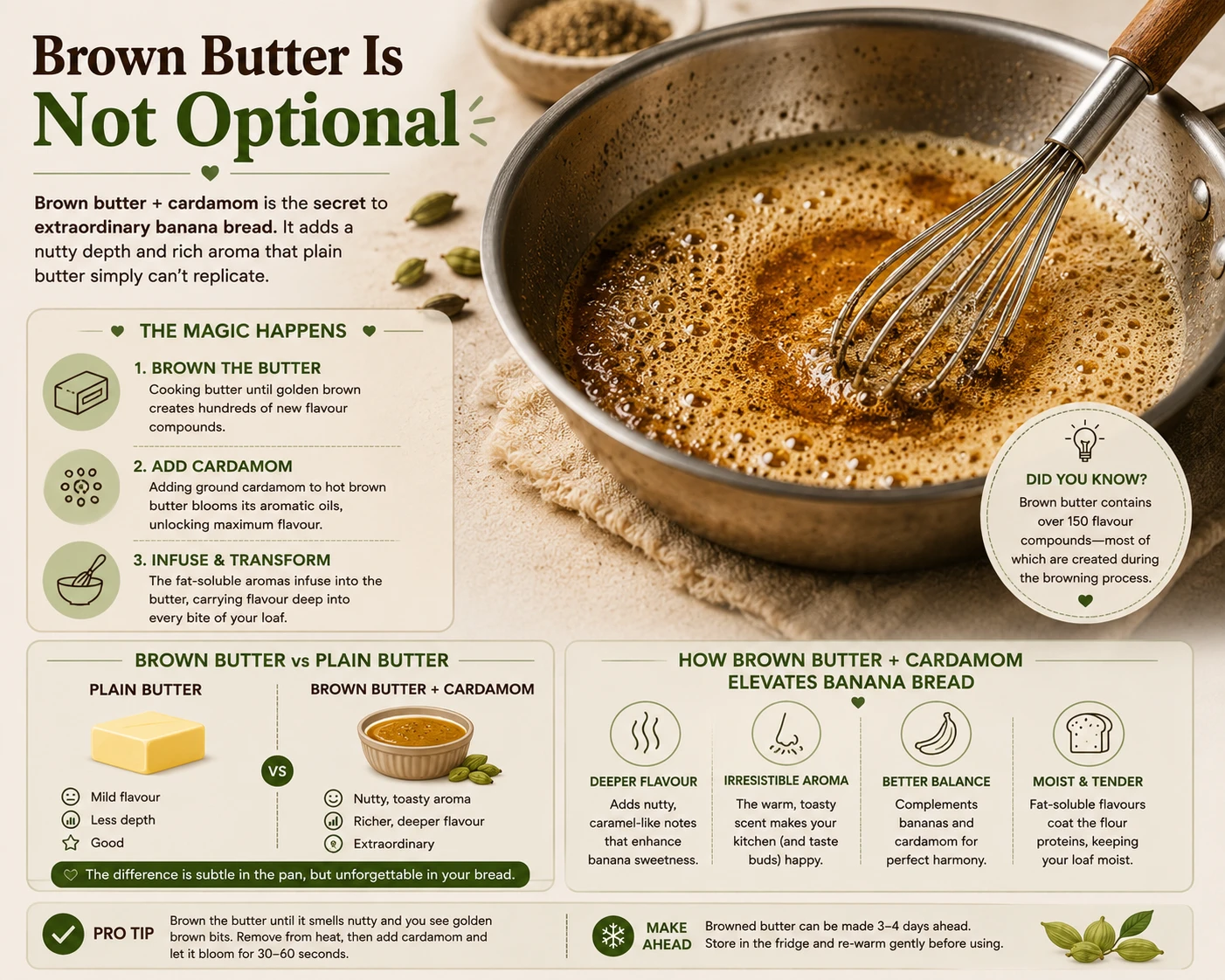
The Brown Butter Step Doesn’t Change
Cardamom’s aroma is unlocked by hot fat, not flour — this step is identical to the classic recipe regardless of which flour you use.
Gluten-Free Baking Glossary
Understanding these terms clarifies the technique and why each step matters.
How Difficult Is This Recipe?
One bowl, one saucepan, no stand mixer — the only extra step versus the classic recipe is letting the batter rest before it goes in the oven.
← This Recipe
Ingredients
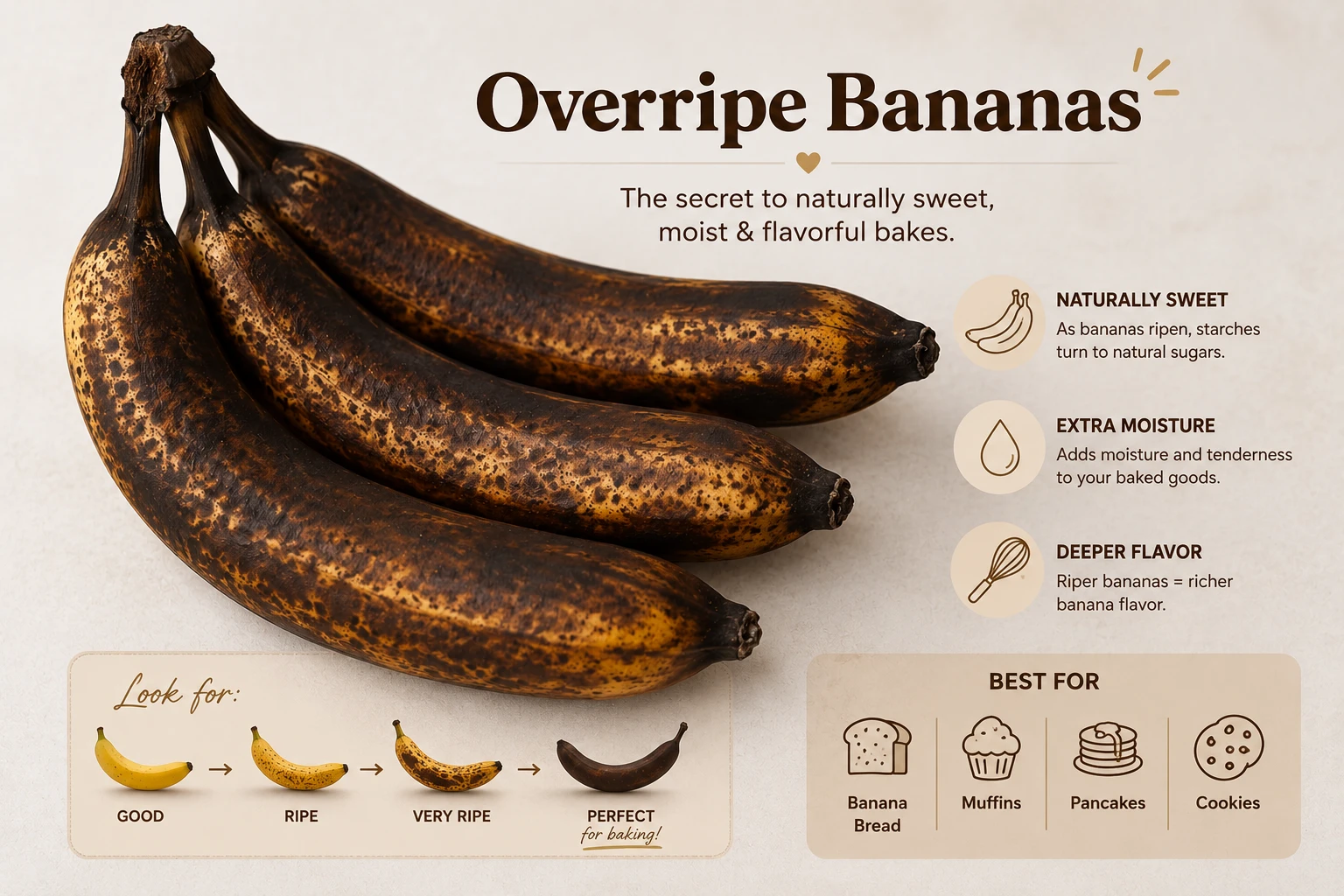
Overripe Bananas
3 large (~300g mashed). Use peels mostly black-brown for the sweetest, moistest loaf.
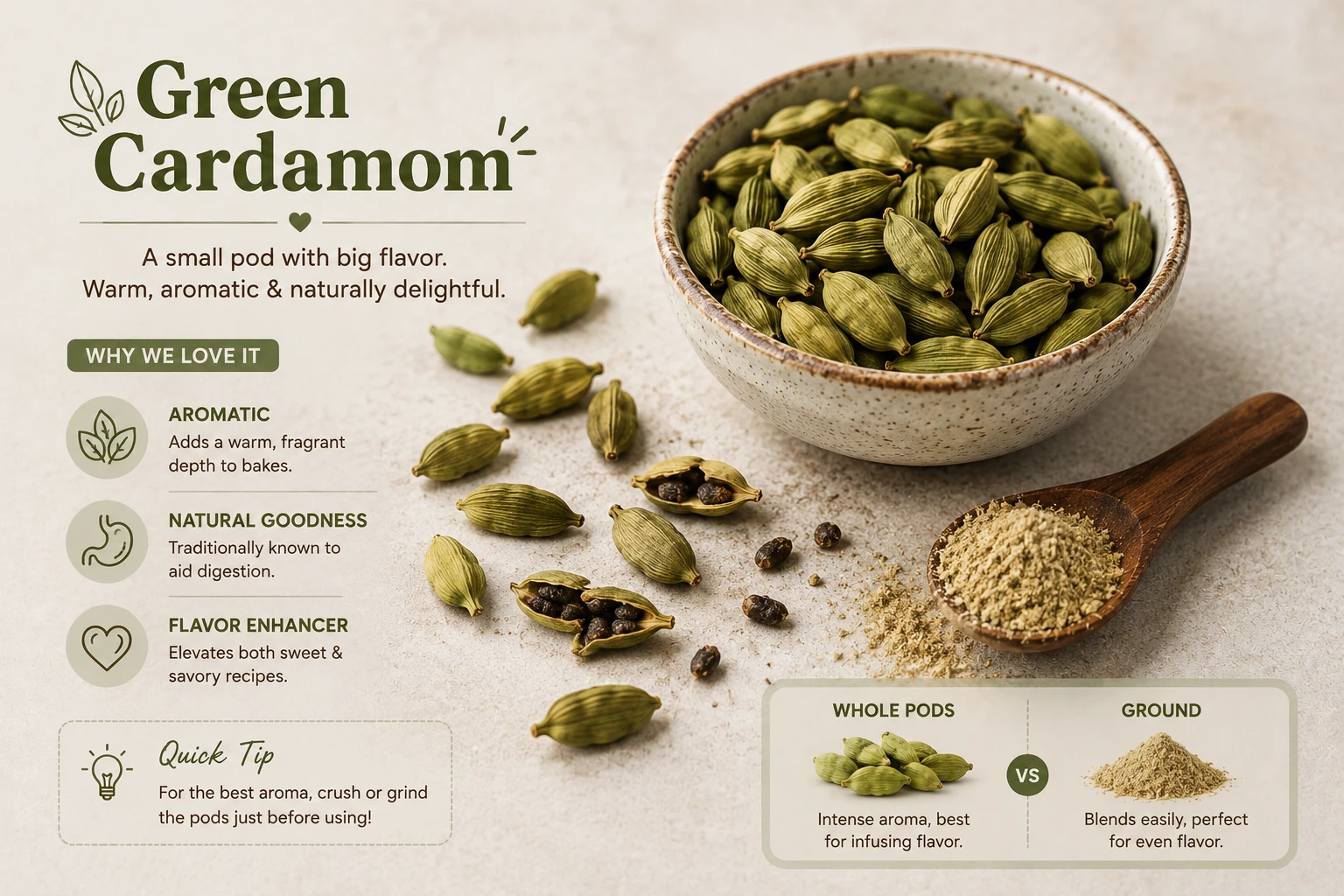
Green Cardamom
1½ tsp freshly ground (10–12 pods). The flour swap doesn’t change this amount at all.
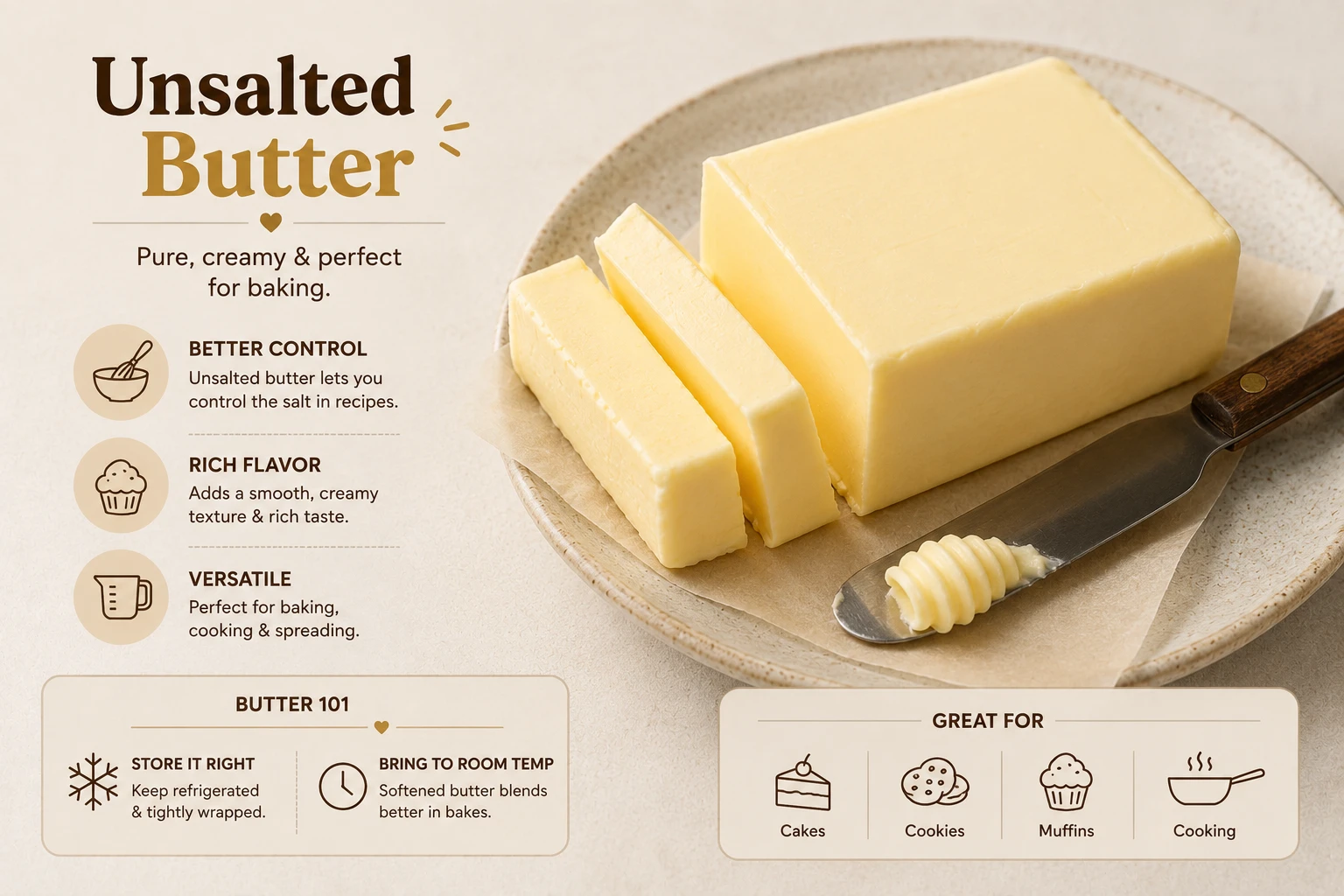
Unsalted Butter
115g (½ cup), browned for beurre noisette — identical to the classic recipe’s first step.
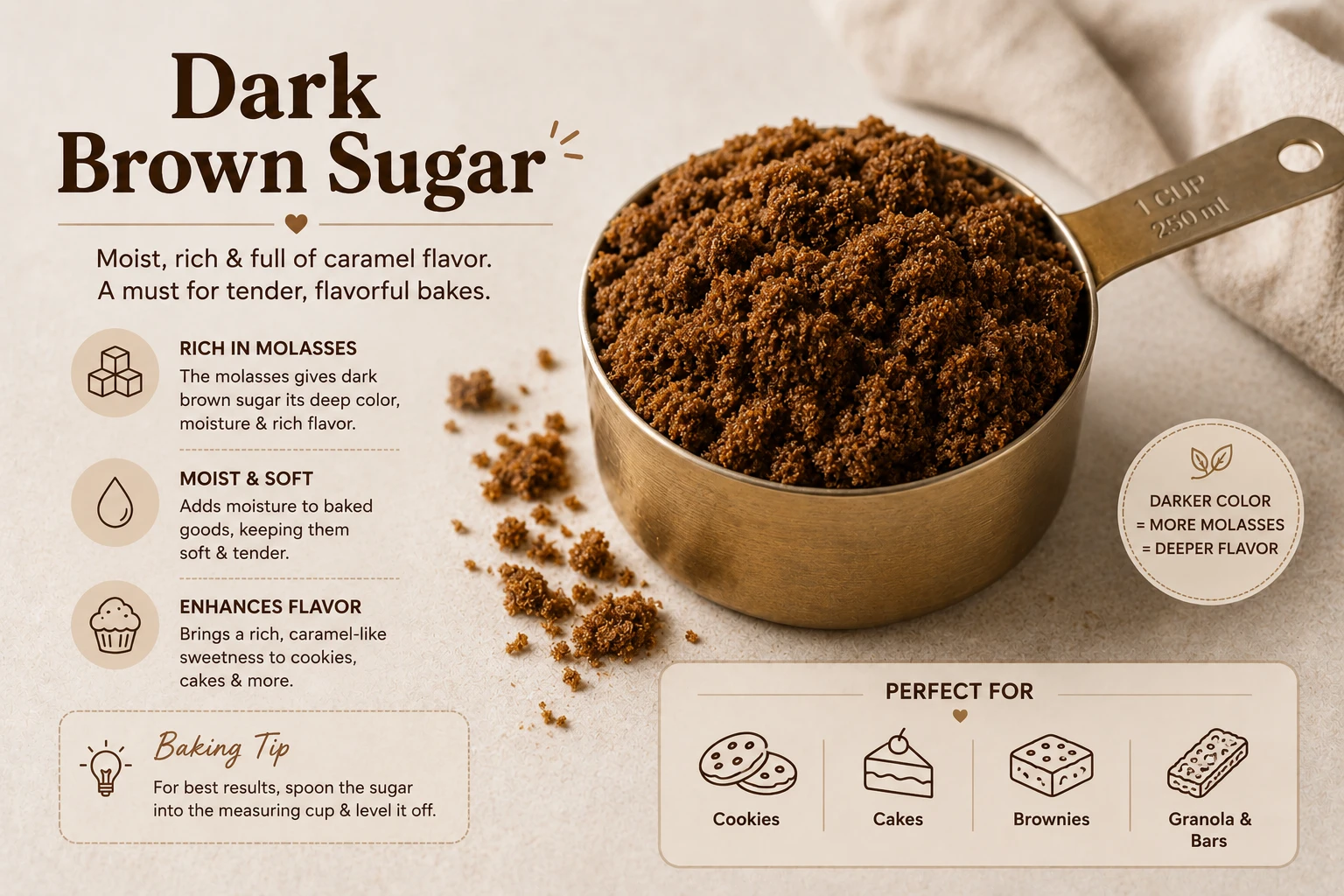
Dark Brown Sugar
150g (¾ cup packed). Naturally gluten-free, no swap needed here.
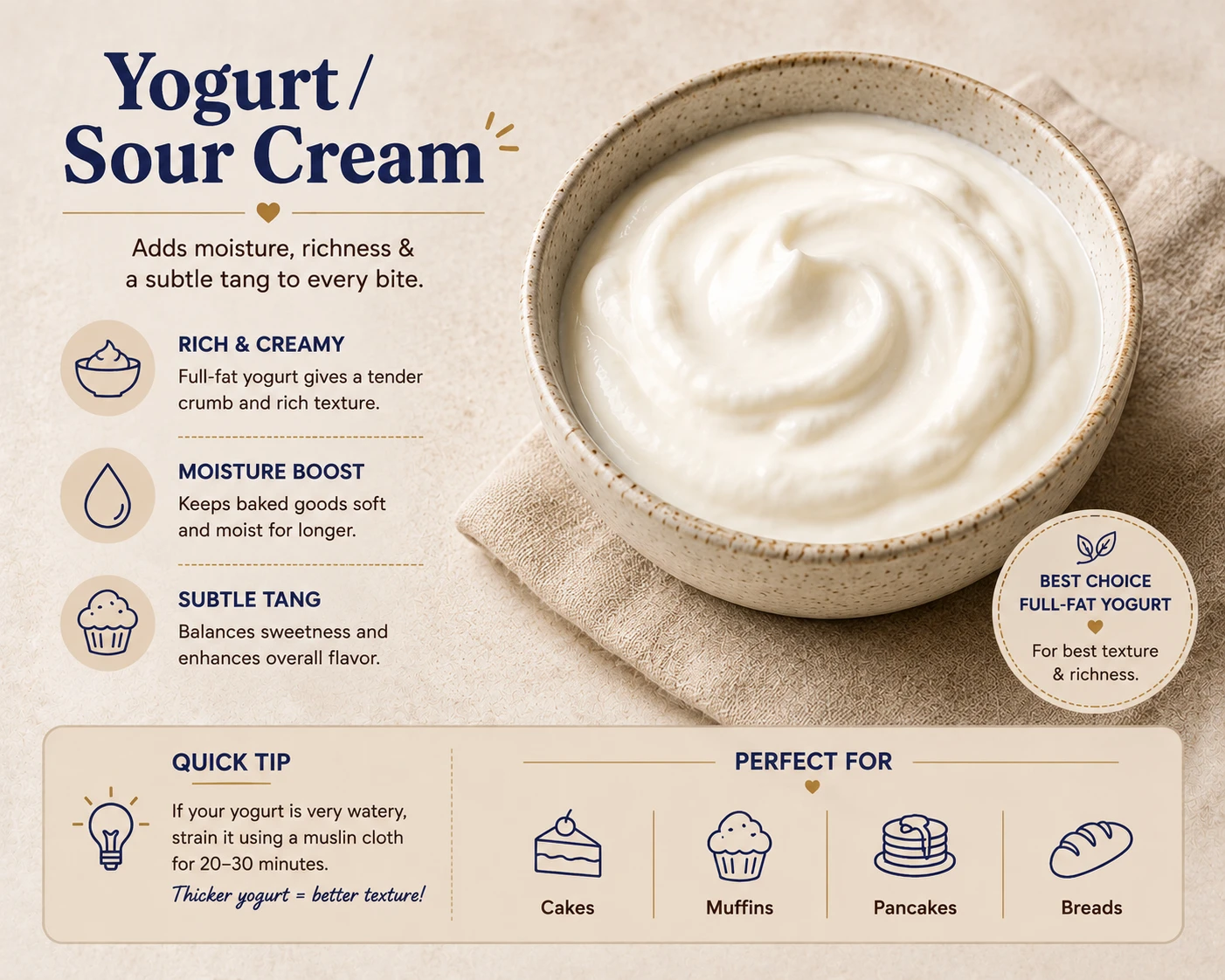
Yogurt or Sour Cream
60g (¼ cup) for lift and a tender crumb.

1:1 Gluten-Free Baking Blend
220g (1¾ cups), containing xanthan gum. Weigh it — GF blends vary in density far more than wheat flour does between brands.
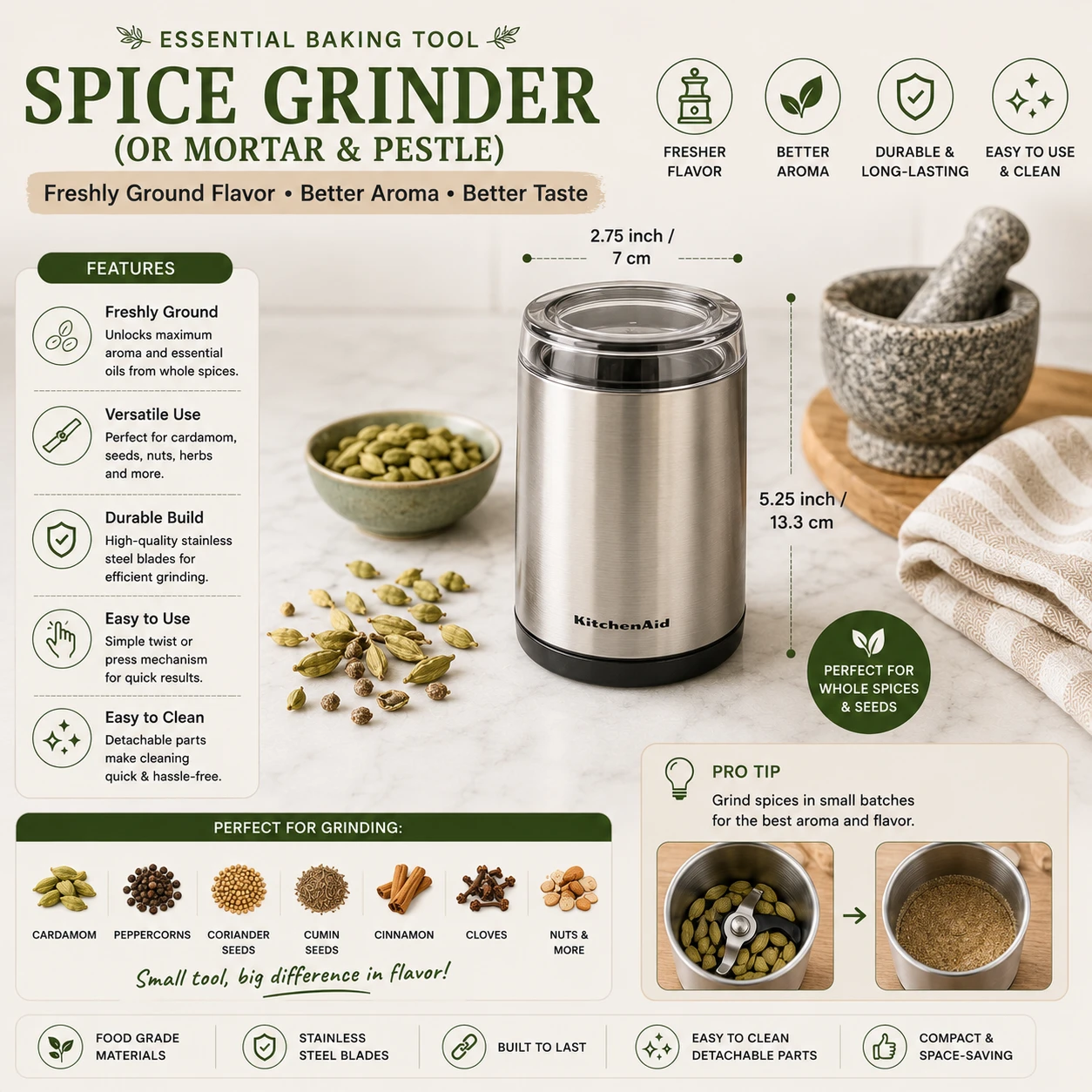
Equipment You’ll Need to Make Gluten-Free Cardamom Banana Bread
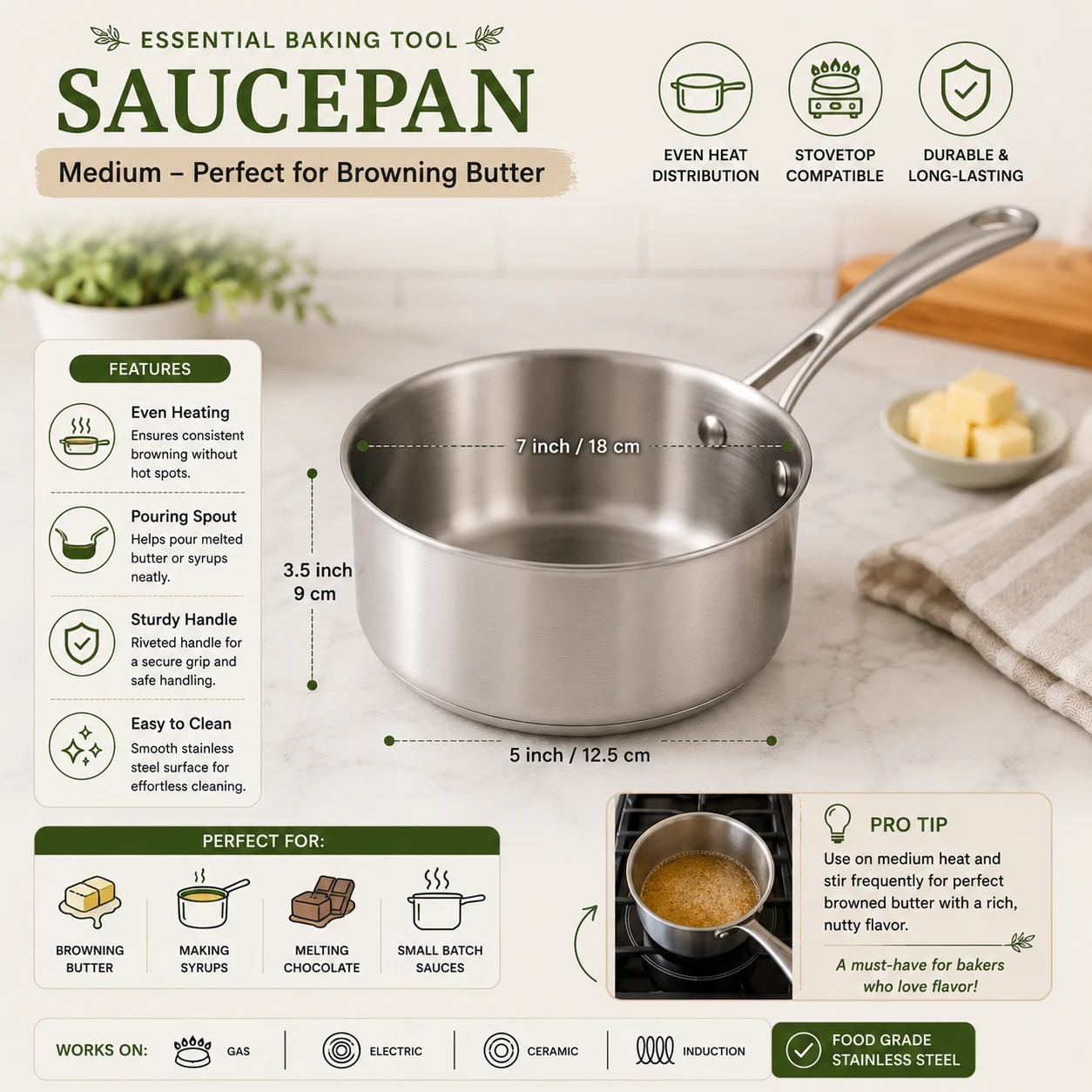

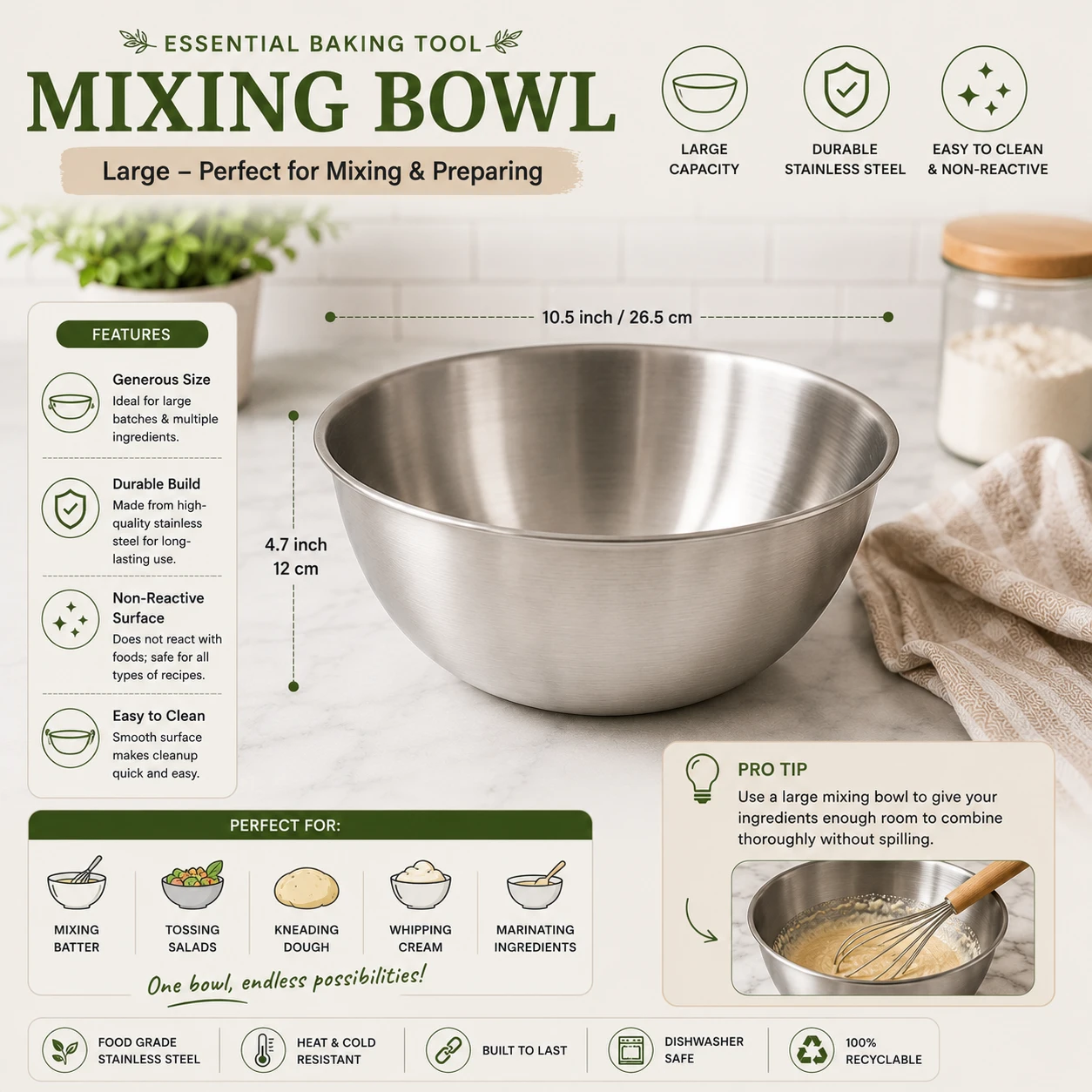
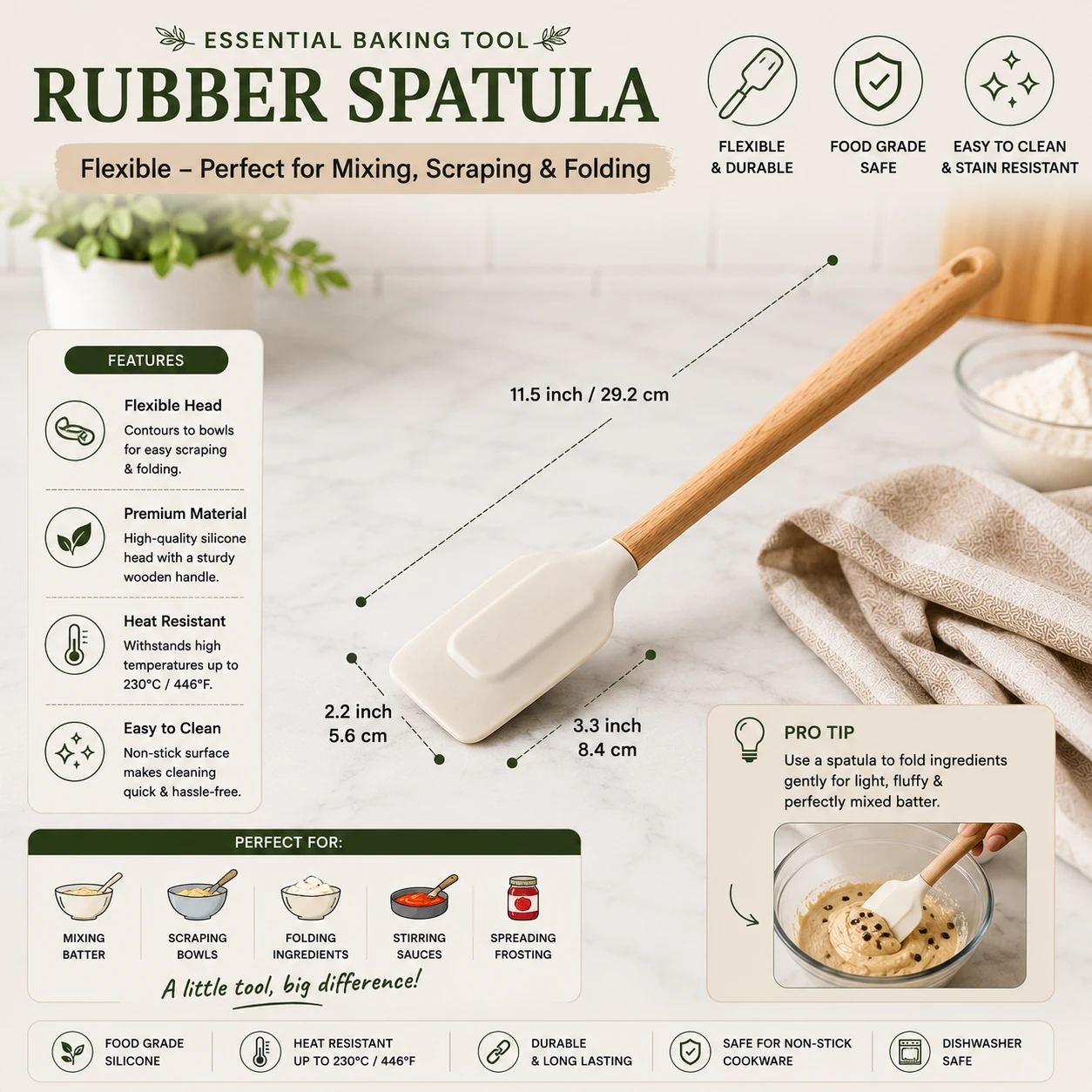
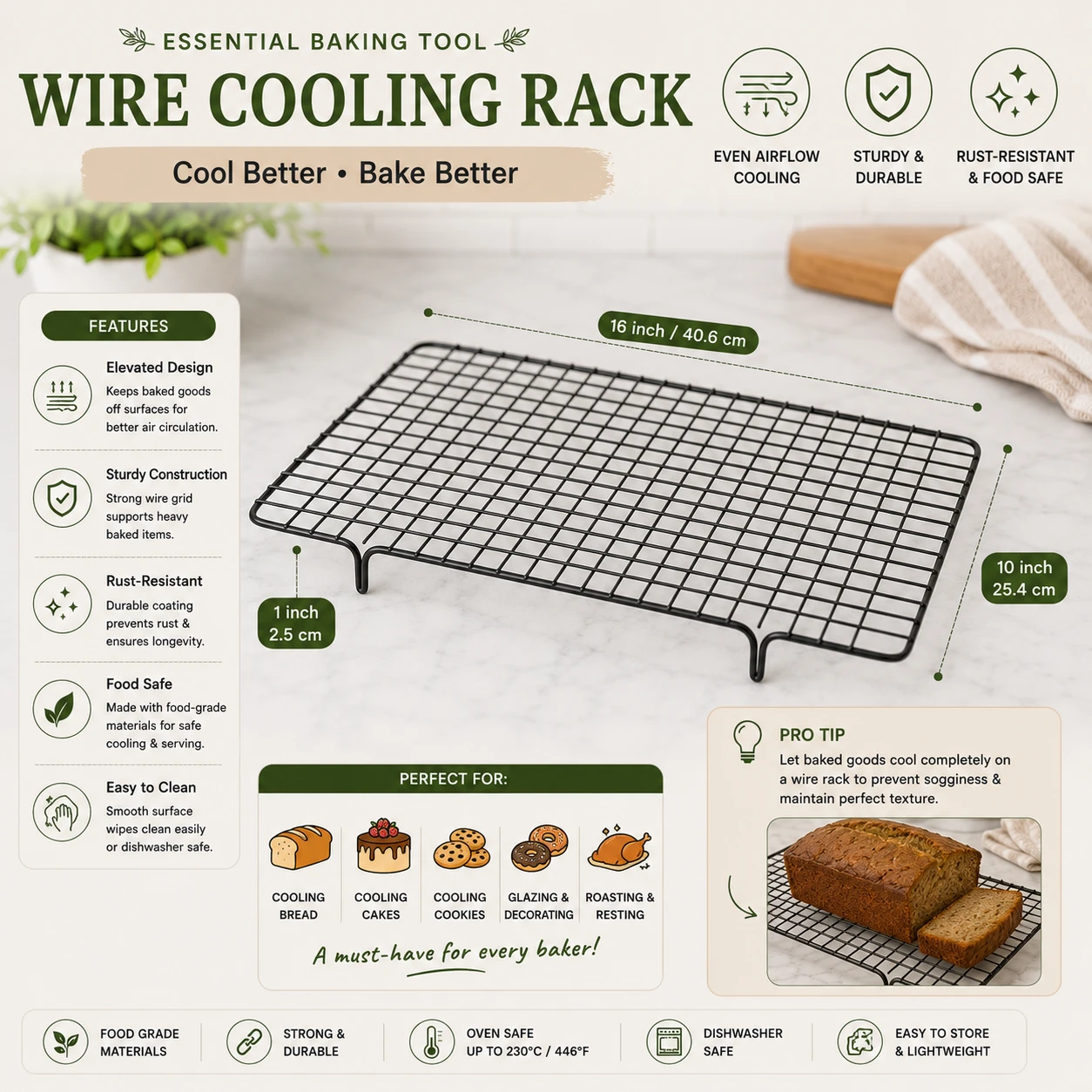

Moist, golden-crusted banana bread with brown butter–bloomed green cardamom, made with a 1:1 gluten-free flour blend.
- 3 large (300g) overripe bananas, mashed
- 115g / ½ cup unsalted butter
- 1½ tsp freshly ground green cardamom (10–12 pods)
- 150g / ¾ cup dark brown sugar, packed
- 2 large eggs, room temperature
- 1 tsp pure vanilla extract
- 60g / ¼ cup full-fat yogurt or sour cream
- 220g / 1¾ cups 1:1 gluten-free baking flour blend (containing xanthan gum)
- 1 tsp baking powder
- ½ tsp baking soda
- ½ tsp fine sea salt
- 1 tbsp granulated sugar (for topping)
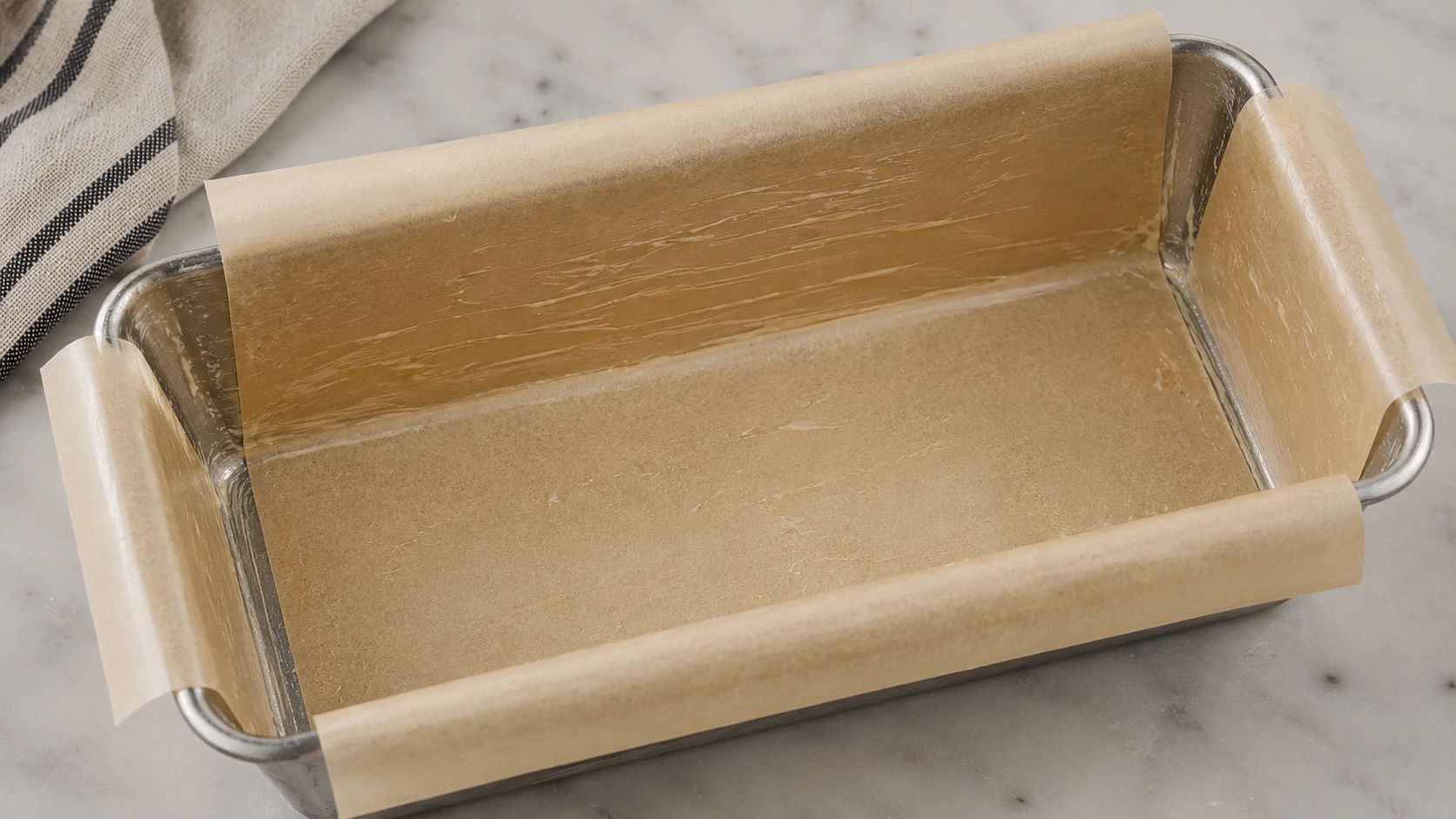
Preheat & prepare pan
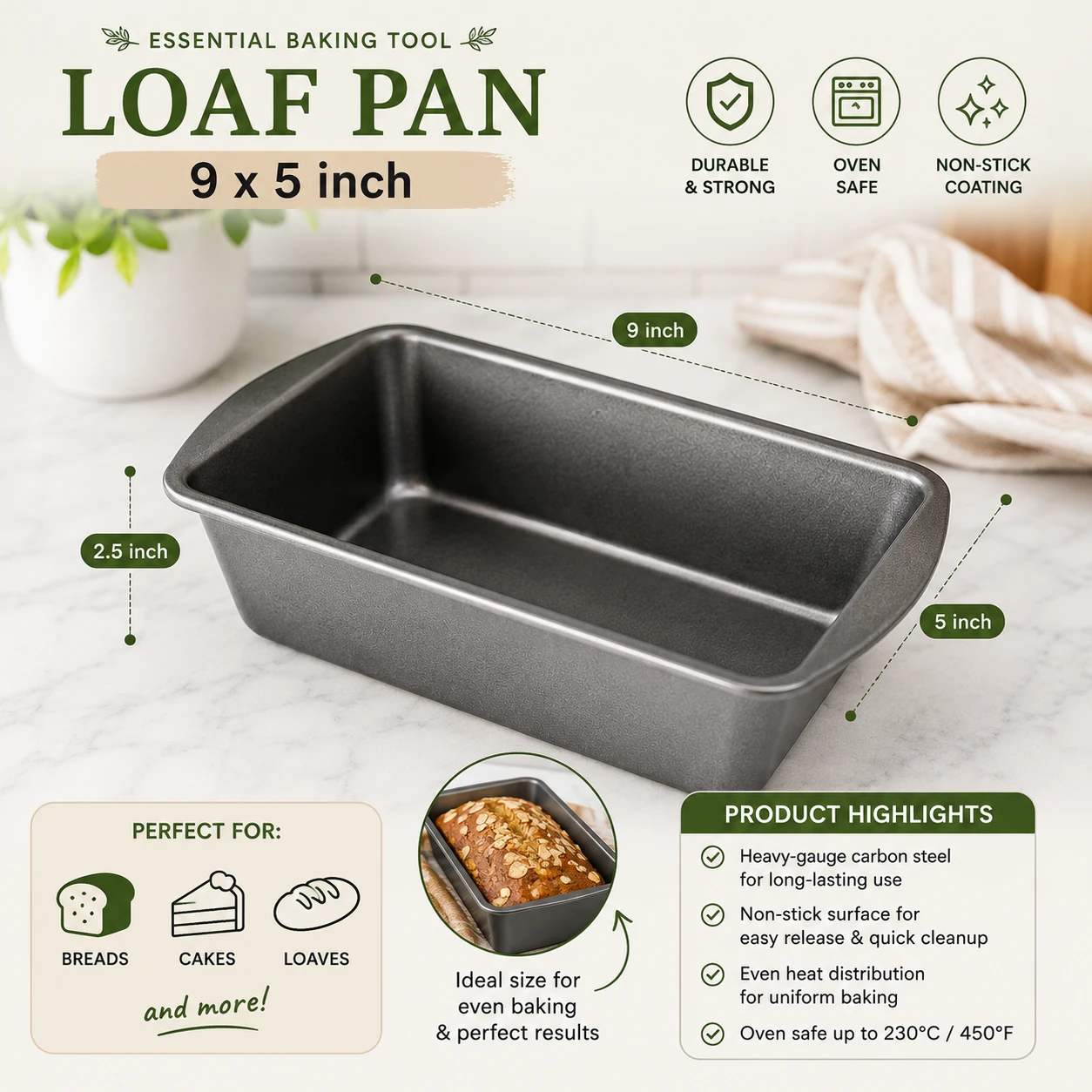
Preheat oven to 175°C / 350°F and set a rack in the upper-middle position. Grease a 9×5-inch (23×13cm) loaf pan generously, then line it with parchment paper, leaving an overhang on the two long sides so you can lift the finished loaf straight out later.
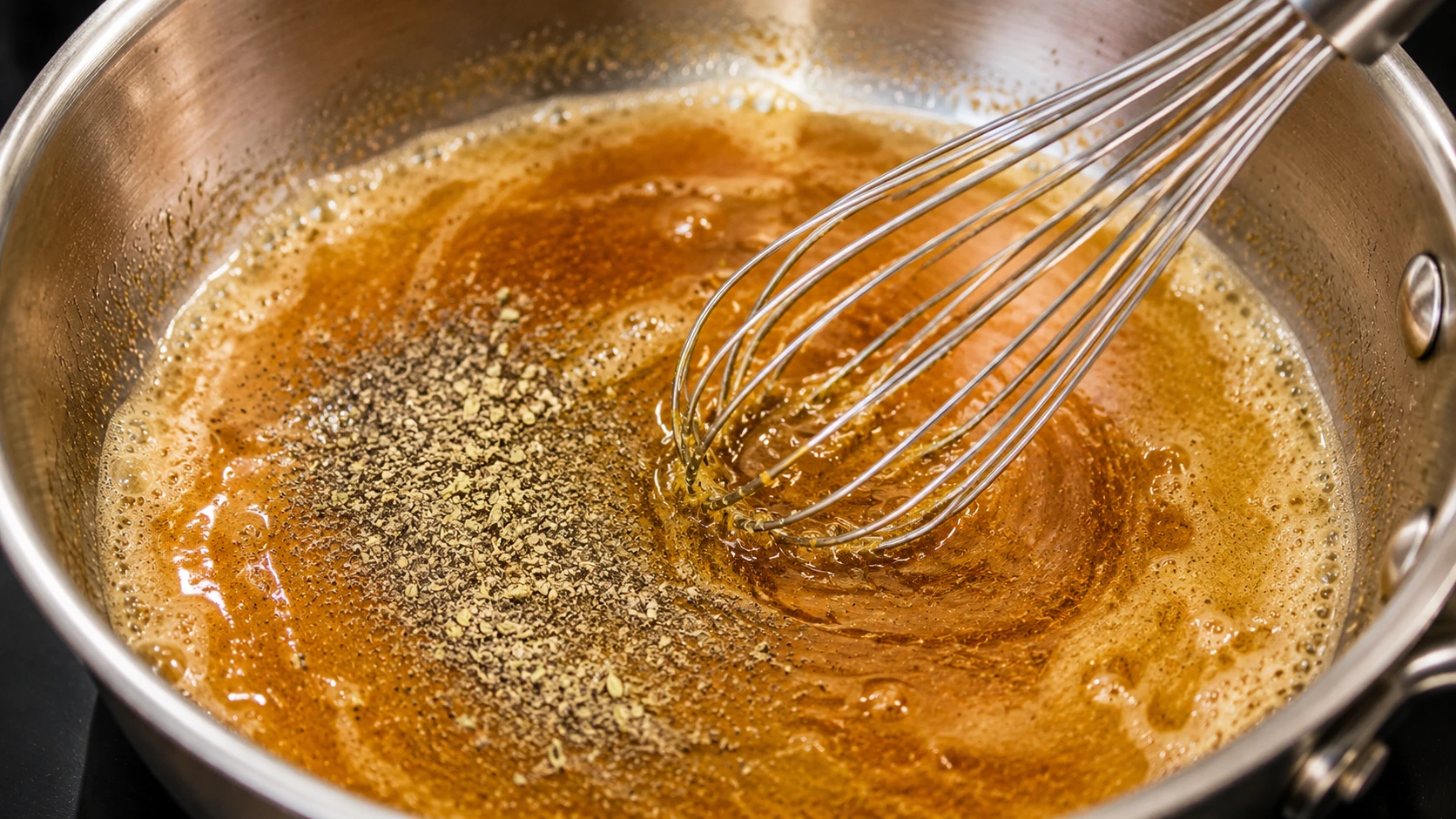
Brown the butter & bloom cardamom
Melt the butter in a light-coloured saucepan over medium heat. Swirl constantly as it foams, then turns golden, then deep amber with flecks of toasted milk solids — 3–4 minutes. Pull it off the heat immediately and whisk in the freshly ground cardamom. This step is identical to the classic recipe; the flour swap doesn’t change it at all. Let it cool for 5 minutes.
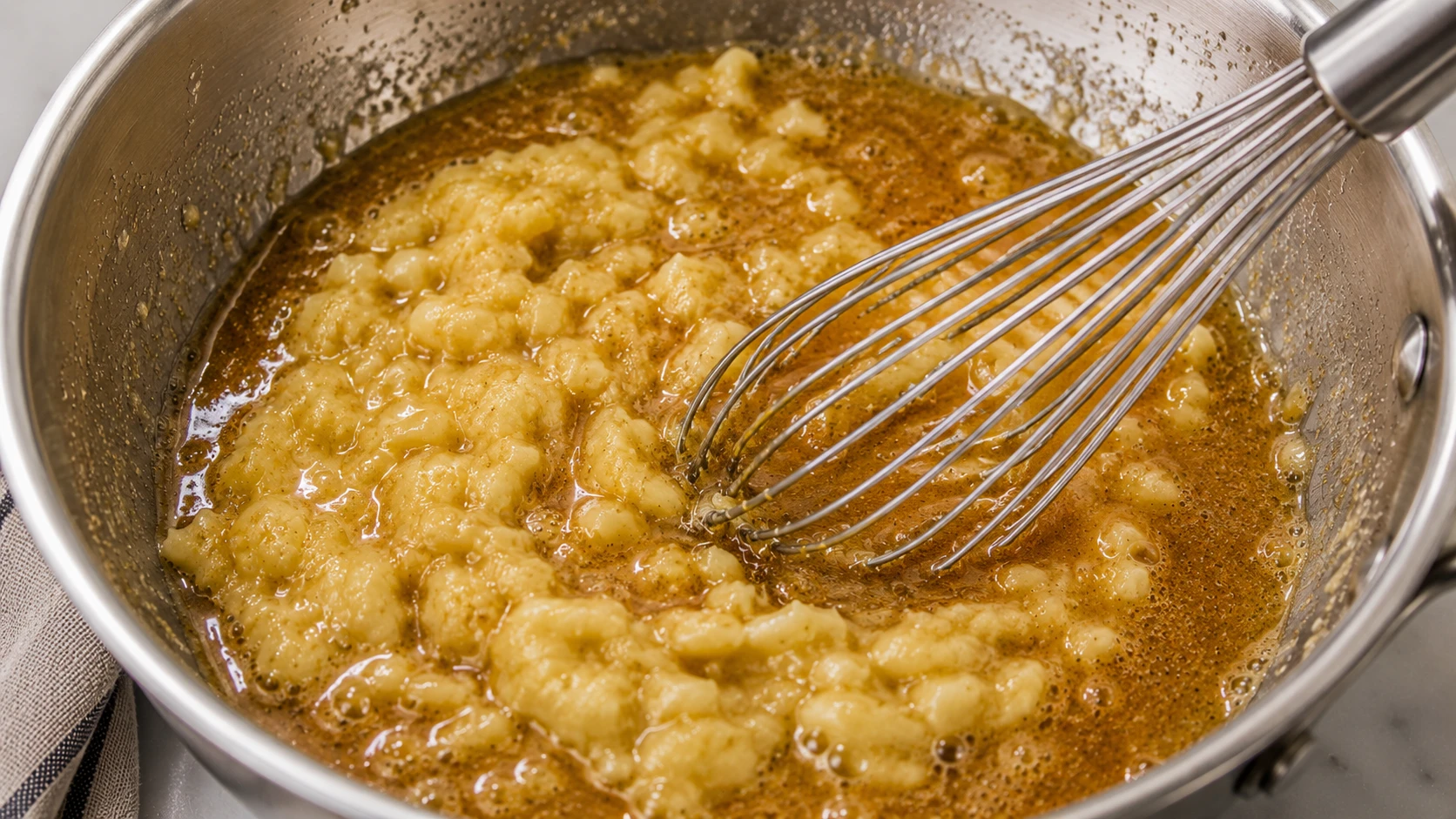
Mash bananas into cardamom butter
Add your mashed, deeply speckled overripe bananas directly into the cooled cardamom butter and whisk until fully combined. The mixture will look thick, glossy, and intensely fragrant.
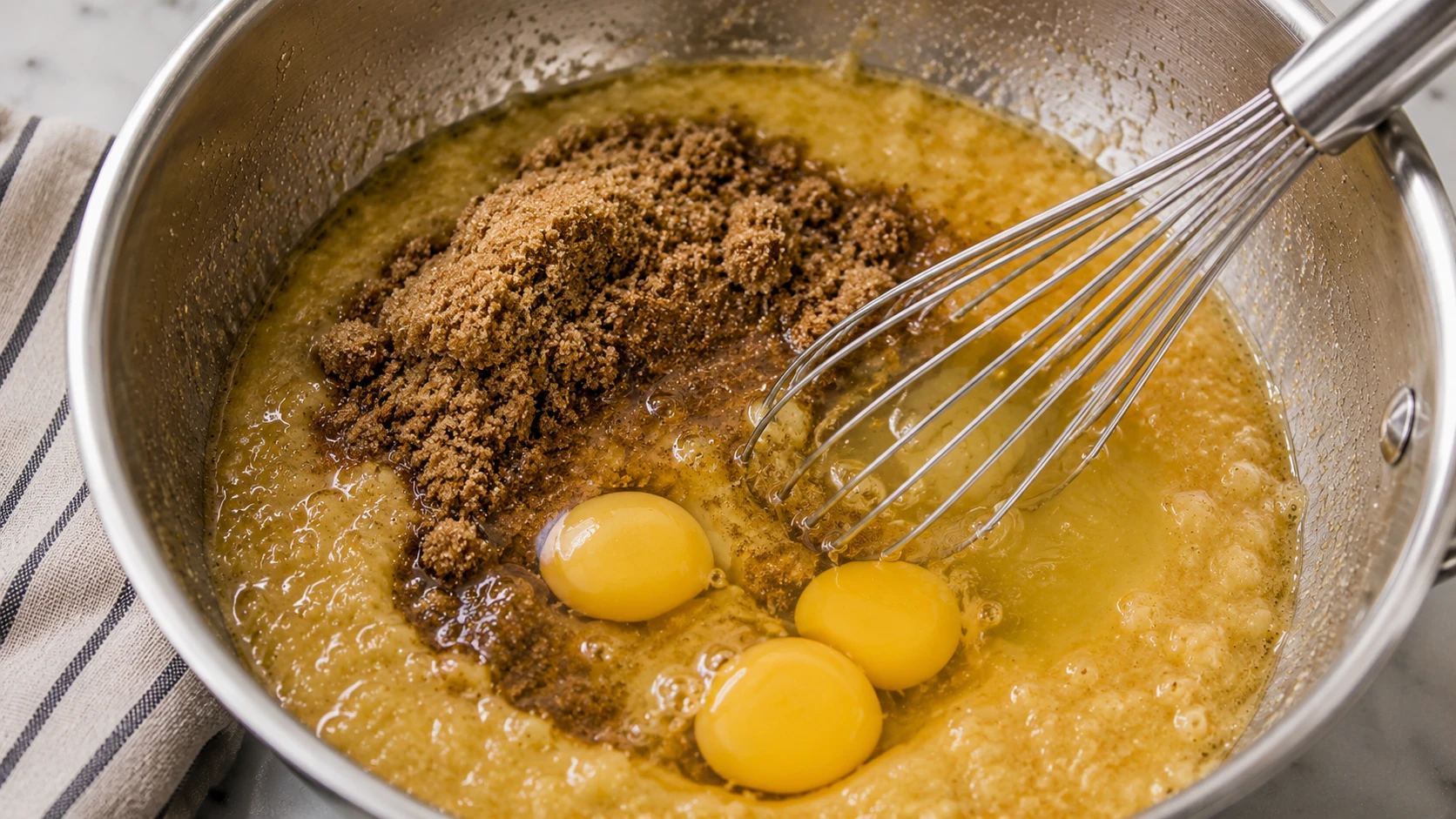
Add wet ingredients
Whisk in the dark brown sugar first, then add the eggs one at a time, fully incorporating each before adding the next. Finish with the vanilla extract and yogurt, whisking until smooth and well emulsified.

Fold in the gluten-free flour blend
Whisk the gluten-free flour blend, baking powder, baking soda, and salt together first in a separate bowl — this distributes the xanthan gum and leaveners evenly, which matters more here than with wheat flour. Fold into the wet mixture with slow, deliberate strokes until just combined.

Rest the batter
Let the batter sit at room temperature for 10 minutes before pouring it into the pan. This gives the gluten-free starches time to fully hydrate, which is the single biggest factor in avoiding a gritty finished texture. Don’t skip this step.

Bake
Pour the rested batter into the prepared pan and sprinkle the tablespoon of granulated sugar evenly across the top. Bake for 60–70 minutes, a touch longer than the classic recipe — gluten-free batters are denser and take extra time to fully set in the centre. Check with a toothpick or a 200°F internal reading rather than the clock alone.

Cool & slice
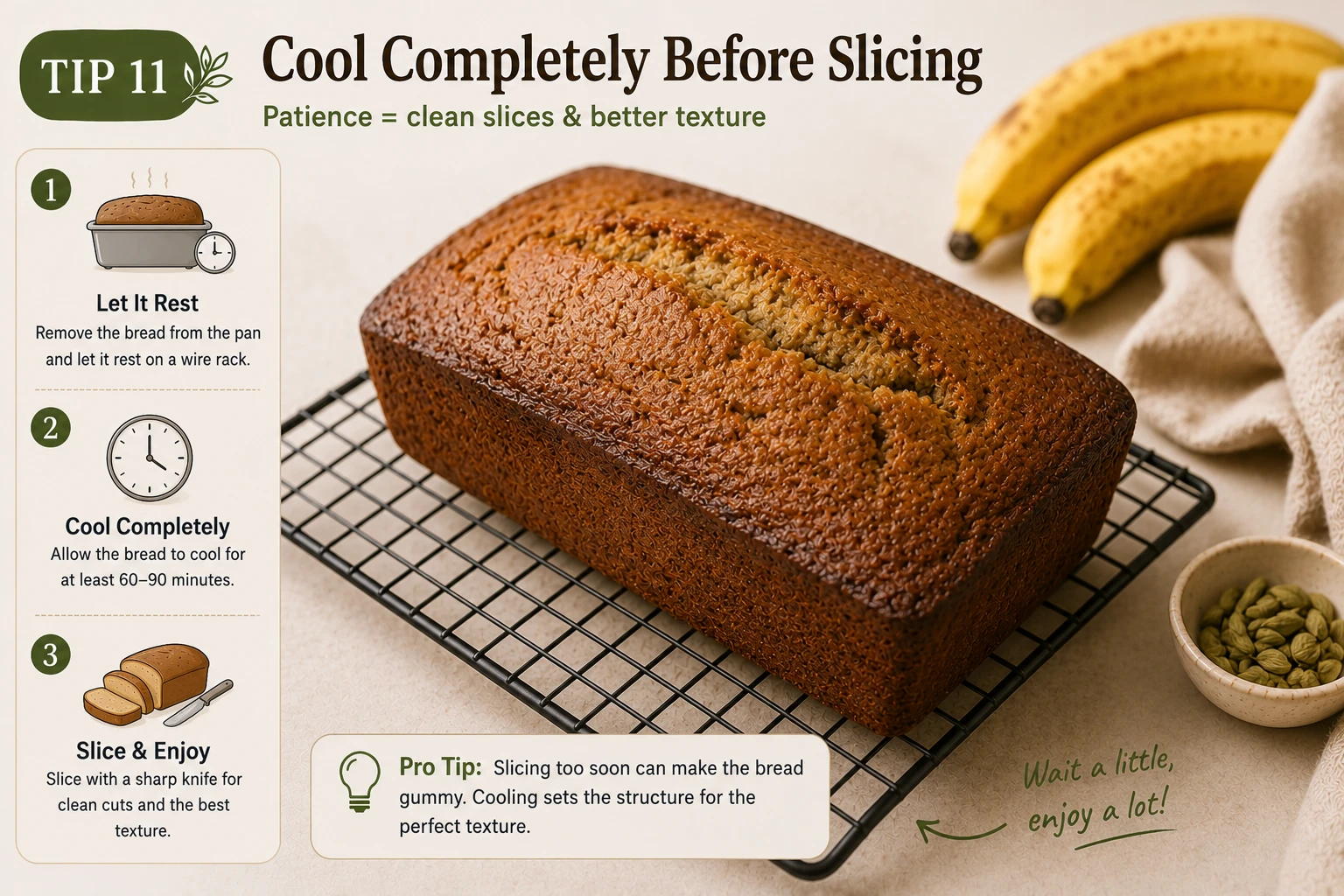
Let the loaf cool in the pan for 15 minutes, then use the parchment overhang to lift it onto a wire rack for at least 20 more minutes before slicing. Gluten-free crumb sets as it cools rather than while hot, so cutting in early gives a gummier slice than waiting the full time.
Values calculated per slice, 10 slices per loaf, using a standard 1:1 gluten-free baking blend. Figures are estimates and will vary by brand.

What Readers Are Saying
“Resting the batter for 10 minutes made a real difference — my usual gluten-free loaves come out gritty, this one didn’t.”
“Good result with King Arthur’s 1:1 blend. Took closer to 70 minutes to bake through, so don’t rely on the lower end of the time range.”
“Weighing the flour instead of scooping was the tip that fixed my texture problems. Cardamom flavour is just as good as the regular version.”
11 Pro Tips for Perfect Gluten-Free Cardamom Banana Bread

1. Never Skip the Batter Rest
Ten minutes feels like nothing, but it’s the single step that separates a tender crumb from a gritty one. Gluten-free starches need that time in the wet batter to fully hydrate before the oven’s heat sets them in place.

2. Check the Label for Xanthan Gum
Most 1:1 gluten-free baking blends already include xanthan gum, but not all. If yours doesn’t list it, whisk in ½ teaspoon separately — without it, the loaf won’t hold together when sliced.

3. Weigh the Flour Blend, Don’t Scoop
Gluten-free blends vary in density far more than wheat flour does between brands, so a cup measurement can be meaningfully off. Weigh to 220g on a kitchen scale for the most consistent result.

4. Grind Cardamom Fresh
The flour swap doesn’t change this rule at all — pre-ground cardamom loses 50–60% of its aroma within 3 months. Grind right before it goes into the hot butter.

5. Watch the Butter Closely
Brown butter goes from perfectly golden to burnt in under 30 seconds. Swirl the pan constantly and pull it off the heat the instant you catch that nutty smell.

6. Room Temperature Eggs
Cold eggs straight from the fridge shock the warm brown butter and can cause it to seize. Leave your eggs on the counter for 30 minutes, or warm them briefly in a bowl of warm water.

7. Two Leaveners Are Intentional
Baking powder gives the loaf lift, while baking soda — activated by the yogurt — deepens browning and tenderness. Without gluten to help trap air, both are doing more work here than in a wheat loaf.

8. The Bread Is Better on Day 2
Cardamom’s aromatic oils keep redistributing through the crumb for 12–24 hours after baking. Gluten-free loaves also finish firming up as they sit, so a day of rest genuinely improves both flavour and texture.

9. Use a Thermometer, Not Just a Toothpick
Gluten-free crumb can look done on a toothpick before it’s actually fully set. An instant-read thermometer reading 200°F (93°C) at the centre is the more reliable check.
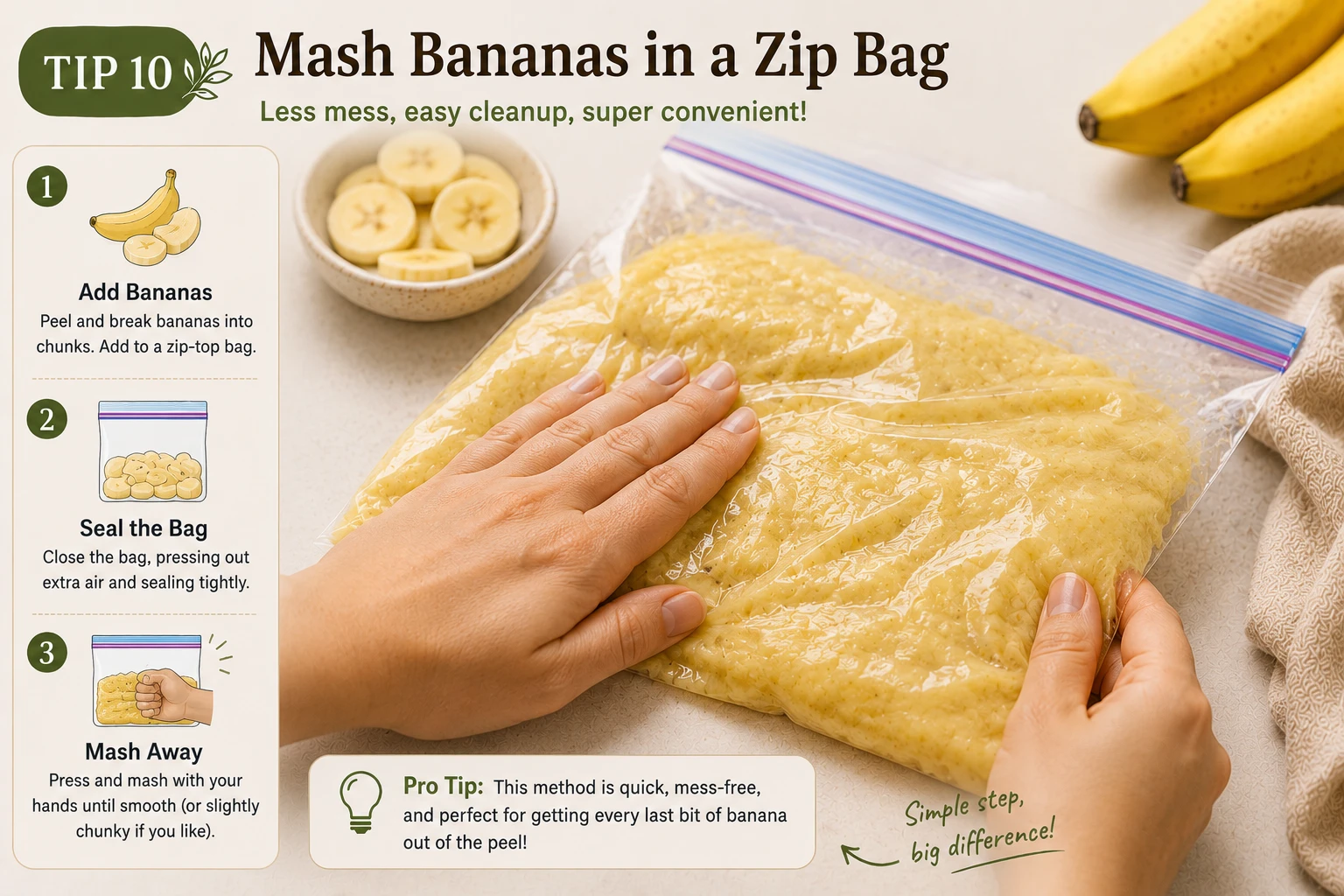
10. The Zip-Bag Mashing Trick
No potato masher on hand? Peel your bananas, seal them in a zip-top bag with a little air left open, and mash them with your hands until smooth.
11. A Lower-Sugar Version Still Works
Cut the brown sugar to as little as 75g (⅓ cup) without losing moisture — the overripe bananas carry most of the sweetness regardless of which flour you use.
More Cardamom Banana Bread Variations
This page covers the gluten-free version. Explore the classic base recipe or one of the other eight variations below.

Gluten-Free
1:1 GF flour blend, same moist result.
Currently viewing
The Original Recipe
No additions — just brown butter, cardamom, and banana.
View recipe →
Chocolate Chip
Dark chocolate chips against the floral cardamom.
View recipe →
Vegan
Vegan butter, flax eggs, coconut yogurt.
View recipe →
Coffee-Cardamom
Espresso bloomed with the cardamom.
View recipe →
Walnut
Toasted walnuts for crunch and contrast.
View recipe →
Streusel-Topped
A buttery cardamom streusel crumble baked into the crust.
View recipe →
Pistachio
Toasted pistachios for colour and gentle crunch.
View recipe →
Chai-Spiced
Cinnamon, ginger, clove and pepper join the cardamom.
View recipe →
Orange
Fresh orange zest, juice, and a citrus glaze.
View recipe →
Full Comparison
Nutrition & ingredients compared side-by-side.
See comparison →Ingredient Substitutions
| Ingredient | Best Substitute | Impact |
|---|---|---|
| 1:1 GF flour blend | A different brand of 1:1 GF blend (e.g. Bob’s Red Mill, King Arthur) | Minor texture variance between brands |
| No xanthan gum in blend | Add ½ tsp xanthan gum separately | Needed for structure — don’t skip |
| Skipping the batter rest | Not recommended, but 5 minutes minimum if short on time | Grittier texture the shorter the rest |
| Unsalted butter | Vegan butter (see our vegan variation) | Makes the recipe dairy-free too |
| Eggs | 2 flax eggs (see our vegan variation) | Makes the recipe egg-free too |
| Fresh cardamom | Pre-ground (1¼ tsp, fresh jar) | 30–40% less intensity |
| No cardamom | ½ tsp cinnamon + ¼ tsp ginger + nutmeg | Loses floral citrus notes |
| Dark brown sugar | Light brown sugar | Slightly less caramel depth |
How to Store Gluten-Free Cardamom Banana Bread

🌡️ Room Temperature — 3 Days
Wrap tightly once fully cooled. Gluten-free loaves can dry out a little faster than wheat versions, so don’t leave it unwrapped.

❄️ Refrigerator — 7 Days
Wrap in clingfilm then foil. Let it come to room temperature, or warm briefly, before serving to soften the crumb back up.

🧊 Freezer — 3 Months
Slice first, separate with parchment. Gluten-free loaves freeze and thaw just as well as the classic version — toast slices straight from frozen.
What to Serve With Gluten-Free Cardamom Banana Bread


Frequently Asked Questions
Yes — any 1:1 gluten-free baking blend containing xanthan gum works. Blends built for cup-for-cup substitution give the closest texture to the classic recipe.
Most 1:1 gluten-free baking blends already include xanthan gum — check the label. If yours doesn’t, whisk in ½ teaspoon separately with the dry ingredients; it’s what holds the crumb together without gluten.
Gluten-free flours absorb liquid more slowly than wheat flour. A 10-minute rest lets the starches fully hydrate, which noticeably reduces grittiness in the baked loaf.
This recipe hasn’t been tested in a dedicated gluten-free kitchen, so people with celiac disease should use certified gluten-free flour, baking powder, and any other packaged ingredients to avoid cross-contact.
Usually underbaking or skipping the batter rest. Gluten-free crumb sets through starch gelatinization rather than gluten, so test with a toothpick or a 200°F internal reading rather than judging by the surface alone.
Not as a direct swap — almond and coconut flour behave very differently, especially coconut flour, which absorbs far more liquid. Stick to a 1:1 gluten-free baking blend designed for cup-for-cup substitution.
The same 1½ teaspoons of freshly ground green cardamom as the classic recipe — the flour swap doesn’t change the amount needed, since the cardamom is bloomed in butter, not the flour.
Brown butter’s nutty depth still blooms the cardamom’s aromatic oils exactly the same way it does in the classic recipe — the gluten-free flour swap doesn’t touch this step at all.
Yes — combine this gluten-free flour swap with the vegan butter, flax egg, and coconut yogurt swaps from our vegan variation; the two sets of changes are independent of each other.
Yes — fold in 100–150g of dairy or dark chocolate chips, double-checking the label since some chips are processed on shared lines with gluten-containing products.
3 days at room temperature, up to 7 days refrigerated, and up to 3 months frozen in slices — gluten-free loaves keep just as well as the classic version.
Usually overmixing or underbaking, the same root causes as the classic recipe. Skipping the batter rest can also lead to a dense, sunken centre.
This usually means the flour blend didn’t contain xanthan gum, or not enough was used. Xanthan gum replaces gluten’s binding role, so without enough of it the crumb falls apart instead of holding together.
Not on its own — oat flour lacks the starch blend and gum needed to bind a loaf without gluten. A dedicated 1:1 gluten-free baking blend gives far more reliable results.
About 245 calories per slice, 10 slices per loaf — close to the classic recipe, with slightly less fibre depending on the blend used.
Very little — the banana, brown butter, and cardamom flavours are unchanged. The texture is a touch denser and can be slightly more tender than the wheat version.
Yes — fill a lined 12-cup muffin tin ¾ full and bake at 190°C / 375°F for 20–24 minutes, a few minutes longer than the classic muffin version.
If cross-contact is a concern for you or anyone you’re serving, use certified gluten-free flour, baking powder, and vanilla extract, since trace gluten can appear in shared-facility products.
Yes — weigh it to 220g. Gluten-free blends vary significantly in density between brands, so a cup measurement can be off by a meaningful margin.
Gluten-free batters are denser and take slightly longer to set in the centre. Budget an extra 5–10 minutes over the classic recipe’s bake time, and rely on a toothpick or thermometer rather than the clock.
Was this guide helpful?
Your feedback helps us improve CardamomNectar for everyone.
💬 Leave a Comment
Made this recipe? Tell us how it turned out.